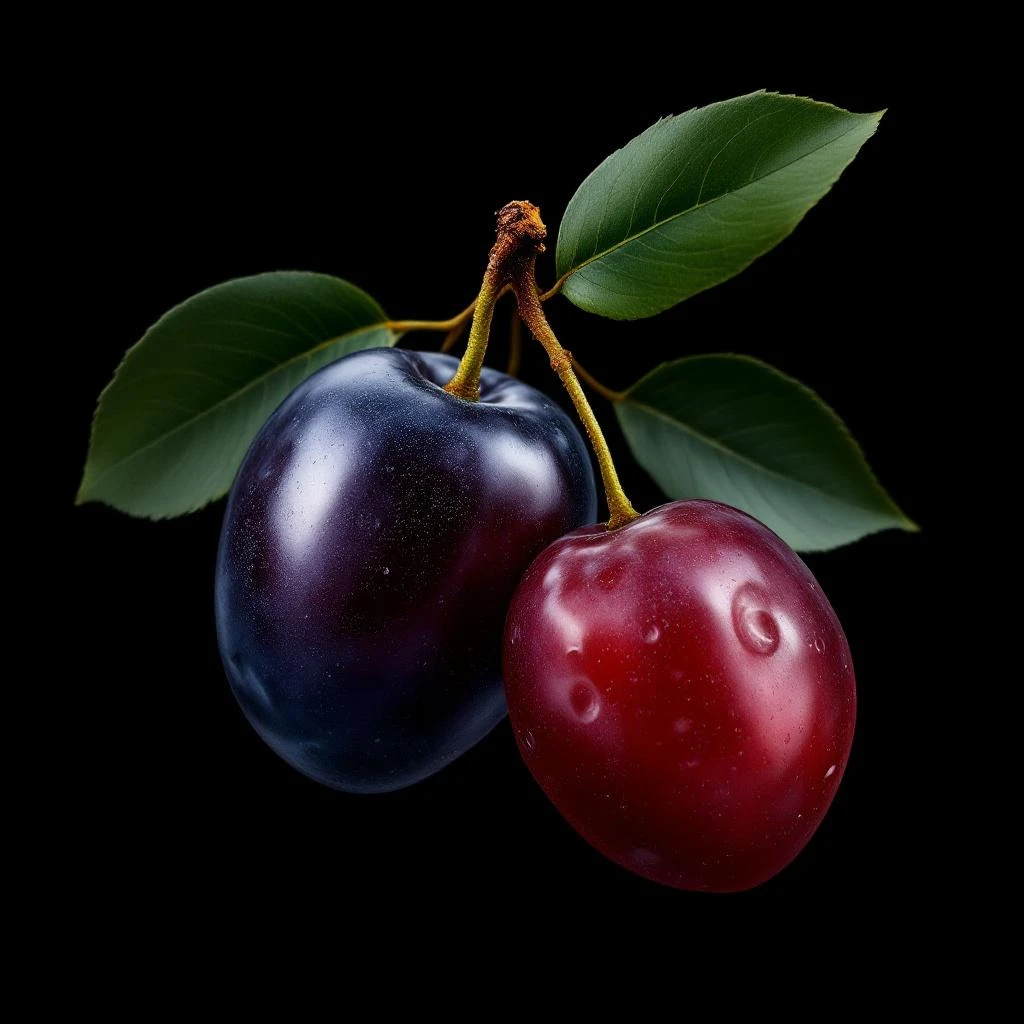
Damson Plum
A deep, jammy fruit note with a distinct tartness that sits at the heart of many classic and modern fragrances. Discover the damson plum's ancient lineage and how perfumers capture its elusive character.
Character
How it smells
Ancient fruit, modern fascination.
Roman legions likely carried damson plum cuttings across Europe, making it one of the oldest cultivated fruits on the continent.







Origin
Syria
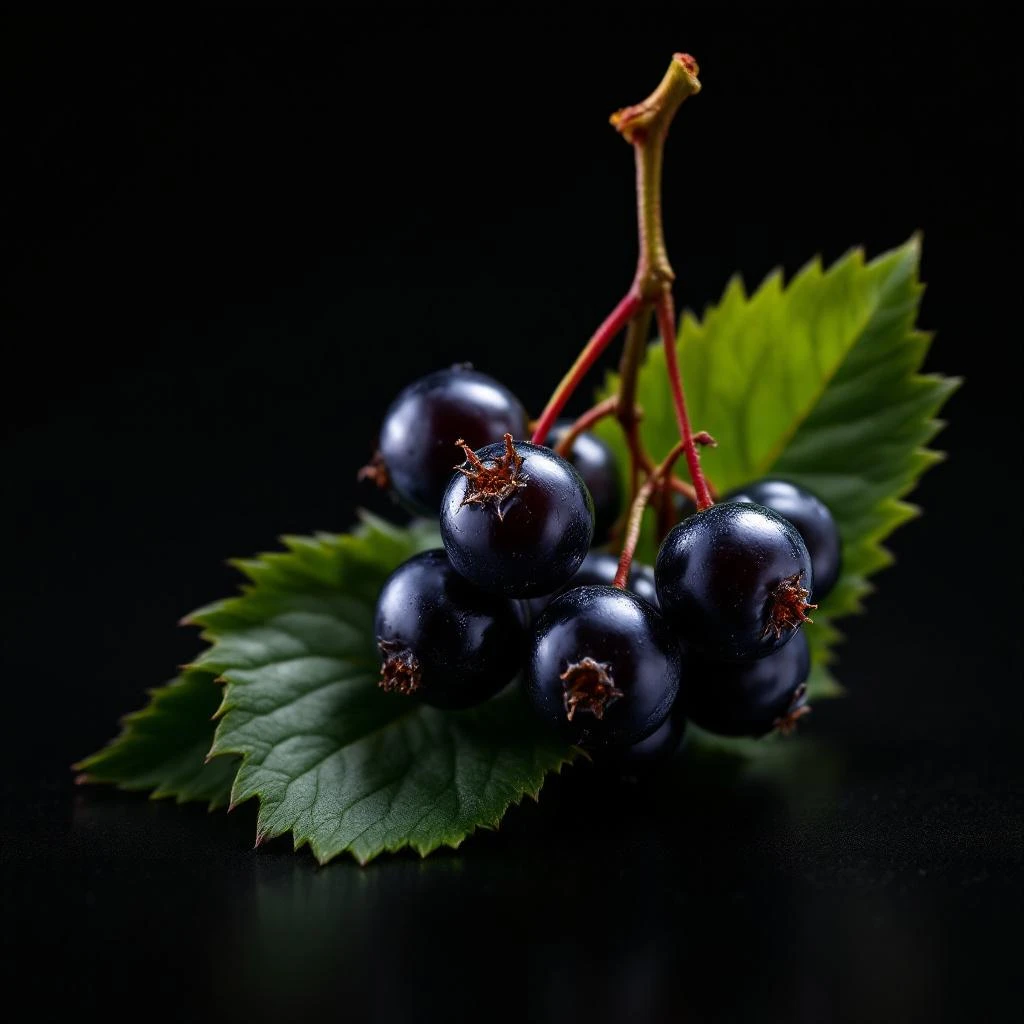
The damson plum carries a name that points directly to its ancient roots near Damascus, where cultivation first appears in historical records. The fruit's journey to Western Europe likely followed Roman military routes, with evidence of damsons found in Anglo-Saxon archaeological sites in York, England. Botanical classification places the damson as a distinct subspecies of the common plum, Prunus domestica subsp.
insititia, though recent genetic testing suggests it may have developed directly from the sloe without cherry plum interference. Roman and Greek authors mentioned similar plums under the damascenum name, though their descriptions suggest a sweeter fruit than the tart damson we recognize today. British monasteries cultivated damson plums extensively during the medieval period for both culinary and medicinal purposes.
By the 17th century, damson-based preserves and cordials had become fixtures in European households. The fruit's versatility spans culinary applications from jams to alcoholic infusions like damson gin, a tradition paralleling sloe gin production.
Wears it best
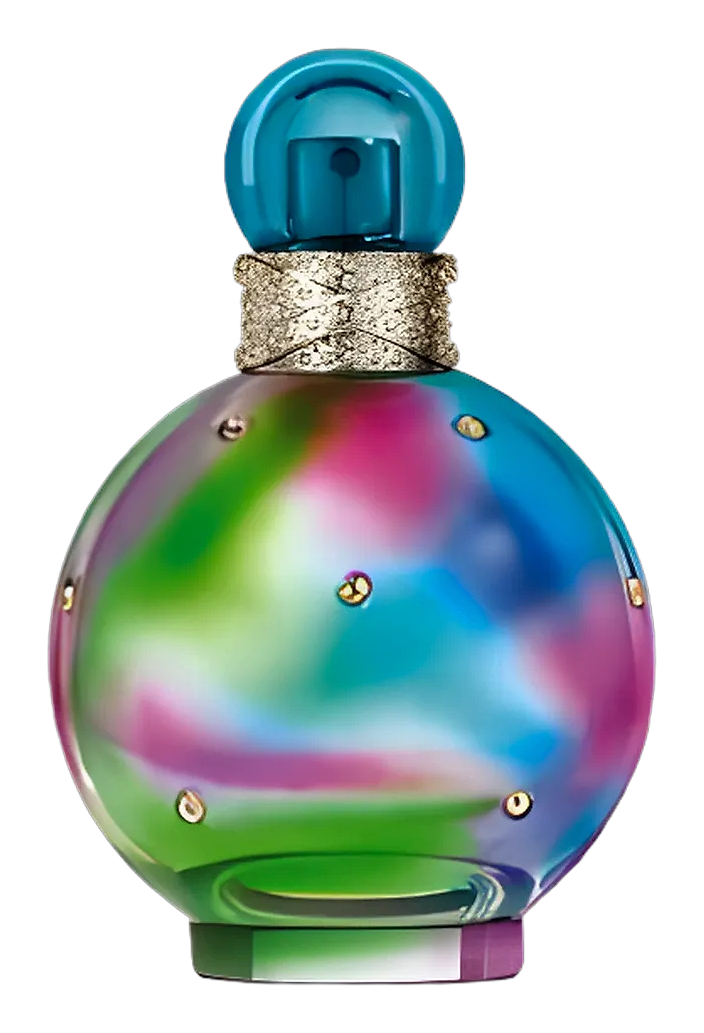
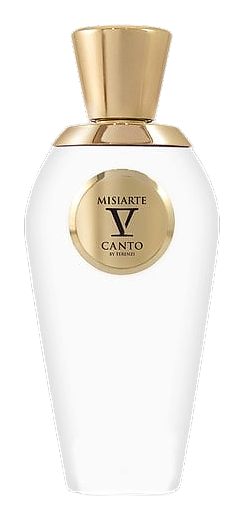
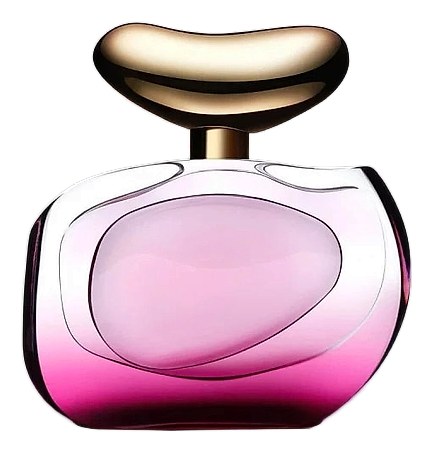
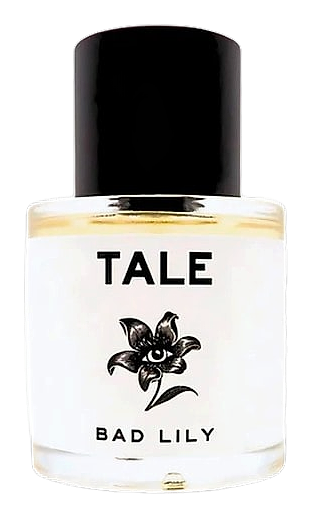
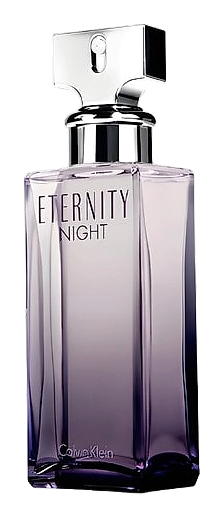
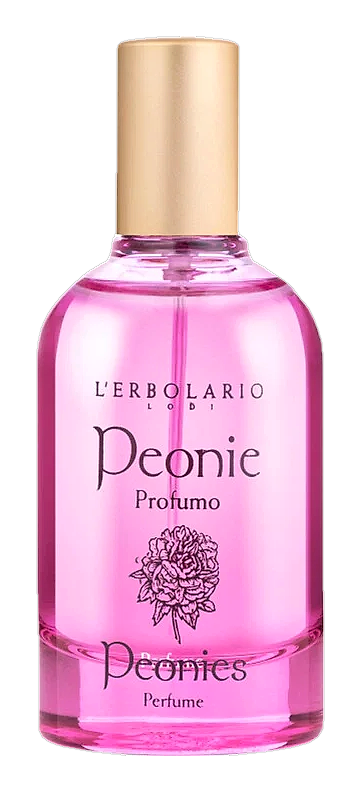
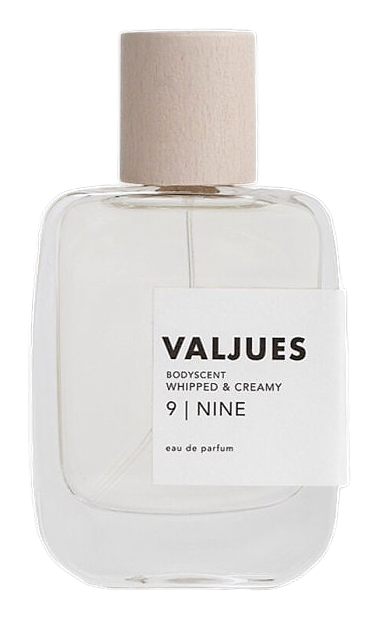
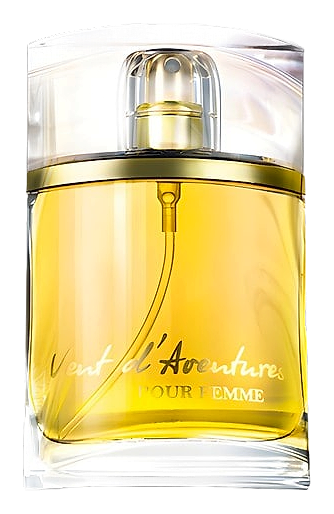
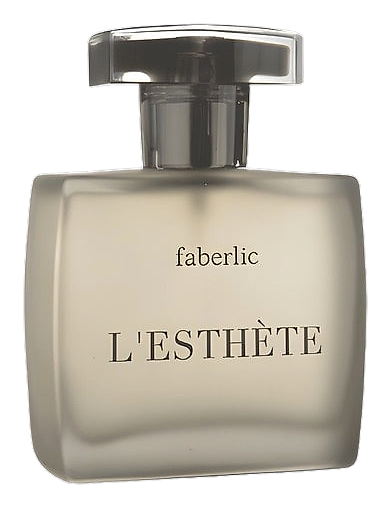
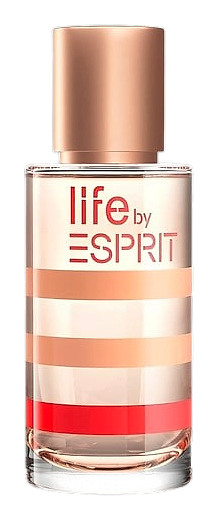
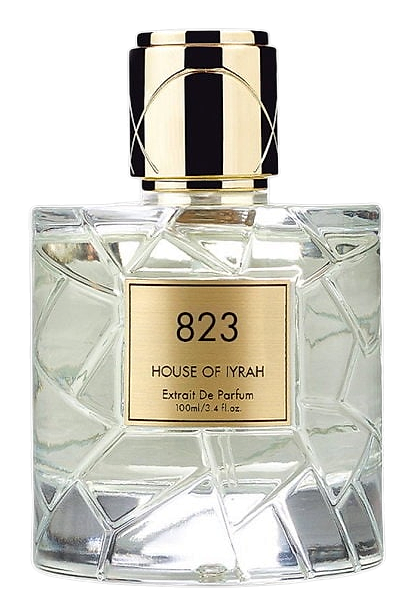
Fragrances featuring Damson Plum
Brands
Brands known for Damson Plum
Good to know
Questions, answered
The essentials on Damson Plum in perfumery: how it smells, where it comes from, and how it behaves on skin.
What does damson plum smell like in perfume?
Damson plum contributes a jammy, slightly tart fruit character with wine-like depth. It reads as more sophisticated than simple sweet plum, with an acidic edge that gives it complexity.
Is damson plum a natural or synthetic ingredient?
Both forms exist. True damson absolute is rare and expensive due to extraction challenges. Most fragrances use synthetic recreations or nature-identical compounds to achieve the note.
What fragrances feature damson plum prominently?
Damson plum appears in niche and designer fragrances as a heart note, often paired with plum or berries. It is less common in mainstream perfumes due to cost and availability.
How does damson differ from regular plum in fragrance?
Damson carries more tartness and a wine-like quality compared to rounder, sweeter plum varieties. Its scent profile includes subtle bitter and tannic elements from the skin.
What extraction process is used for damson plum?
Solvent extraction yields a concrete and absolute from the fruit. Headspace analysis also informs synthetic recreations of the damson scent profile.
Where does damson plum originate?
The damson takes its name from Damascus, Syria, where cultivation evidence dates back thousands of years. Romans likely introduced it to Britain.
Is damson plum used in food-grade flavoring?
Yes, damson plum flavor appears in food products. The fruit itself is widely used in preserves, desserts, and alcoholic beverages across Europe.
What family does the damson plum belong to?
Botanically, it is Prunus domestica subsp. insititia, a subspecies of the common plum. Some botanists classify it as a separate species entirely.