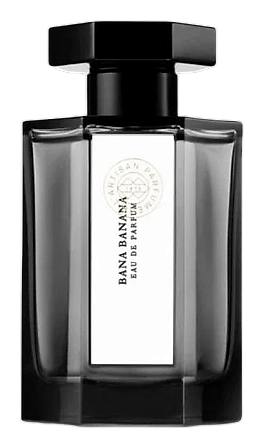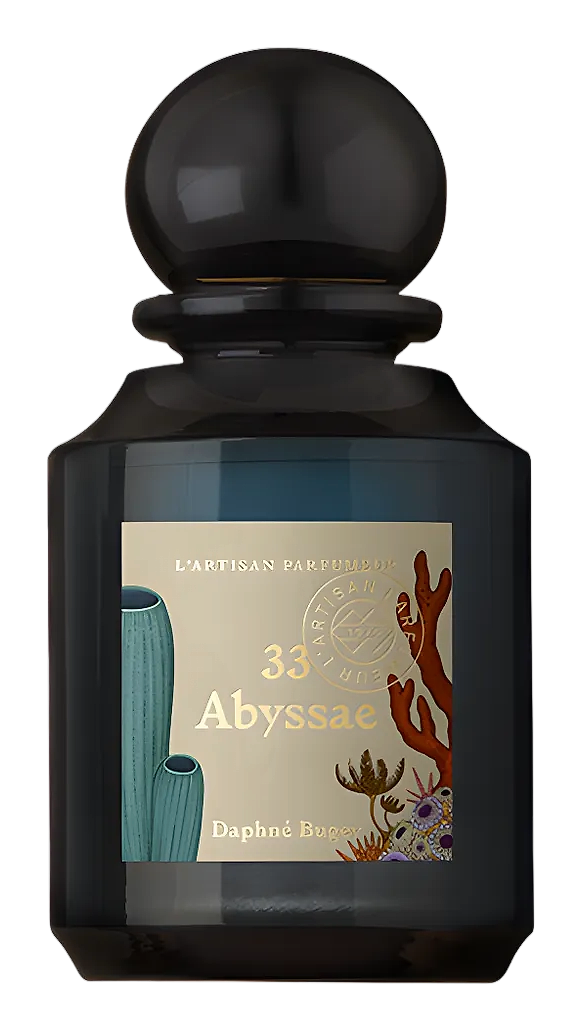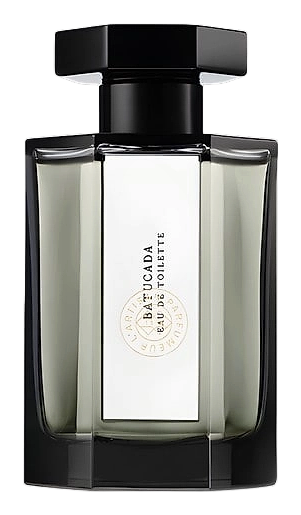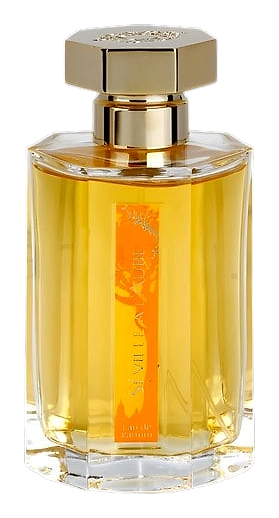
The Story
Why it exists.
The beginning
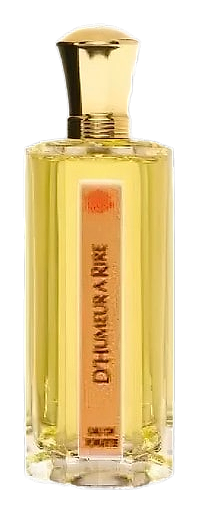
Some scents reach for mystery. D'Humeur a Rire opens a window instead. Launched in 1998, it asked a single question: what does happiness smell like? Olivia Giacobetti, already known for translating quiet, natural ideas into wearable compositions, took the brief literally. No smoke, no leather, no pretense. Just the bright, uncomplicated pleasure of ripe fruit on a warm afternoon. The composition strips perfumery back to its most essential materials, three fruits and sugar, and trusts them to carry the entire emotional message on their own. The name says it plainly, too. In French, "d'humeur à rire" means "in the mood to laugh." The fragrance is less a composition than an emotional snapshot, bottled.
What Giacobetti did here was harder than it looks. Strawberry in perfumery usually swings synthetic, candy-stiff, or whispers so faintly it's gone before you register it. Banana turns plastic on a bad day. Pineapple can screech. She chose to build a three-note structure (strawberry, banana, pineapple, sugar) and let them speak without scaffolding. No woods underneath to ground it. No musk to darken the edges. The result is a gourmand that never tips into dessert territory because it refuses to take itself seriously. It's fruit as state of mind, not fruit as ingredient.
The evolution
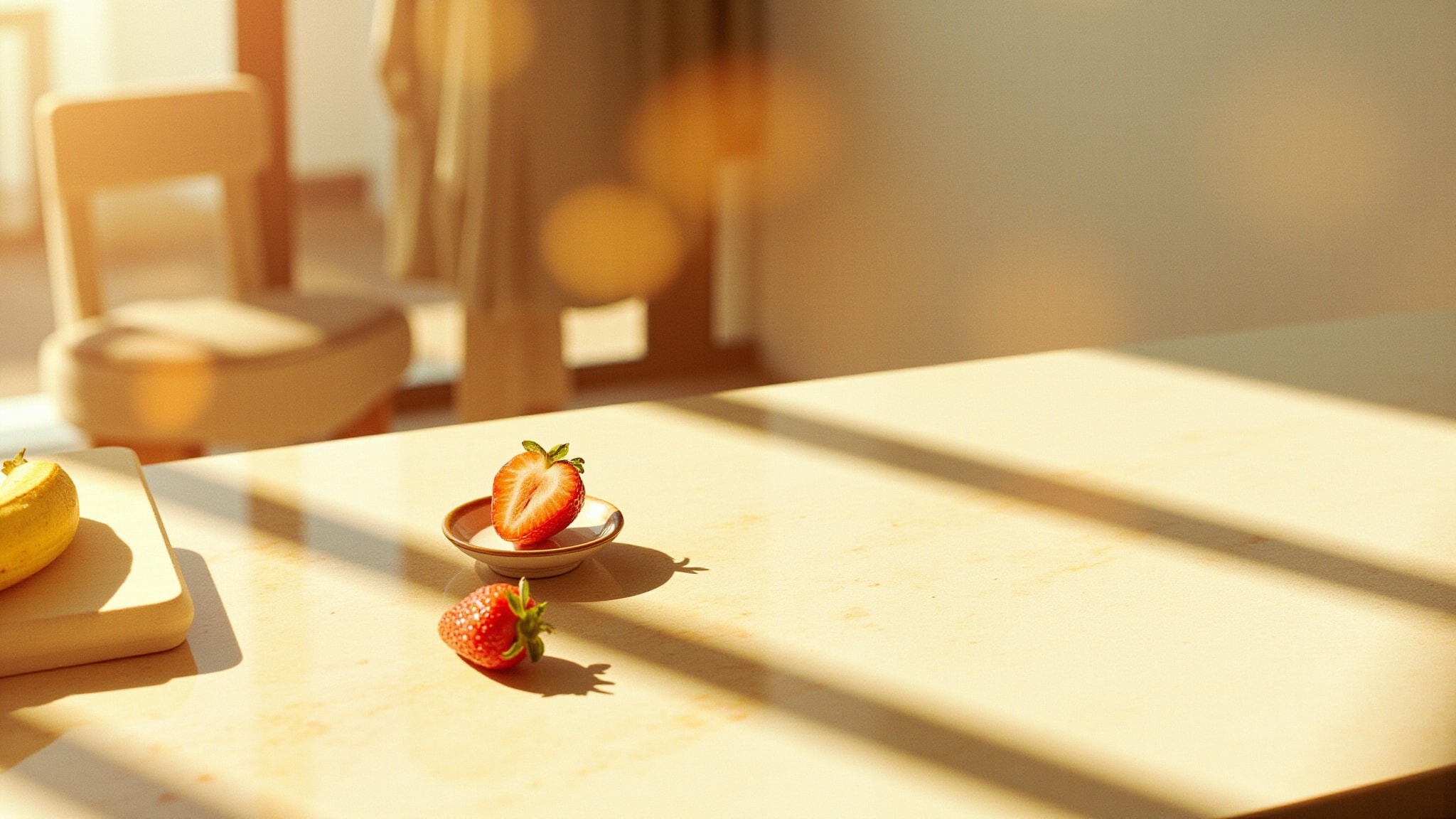
The first hour is strawberry doing what strawberry does best: bright, slightly jammy, with a green stem edge that keeps it from going syrupy. The fruit reads almost edible, like a bowl of just-picked berries sitting in sunlight. Then something shifts. Banana arrives soft, almost creamy, folding into the strawberry rather than competing with it, lending a rounded fullness that smooths the sharper edges. Soon after, pineapple cuts through with a clean tropical acidity that keeps the sweetness honest. The interplay between the creamy banana and the sharper pineapple gives the composition a gentle push and pull, warm and cool at once. There's no heavy base waiting in the wings because sugar is the base, and sugar does something clever: it doesn't deepen into caramel or vanilla. It just settles.
Cultural impact
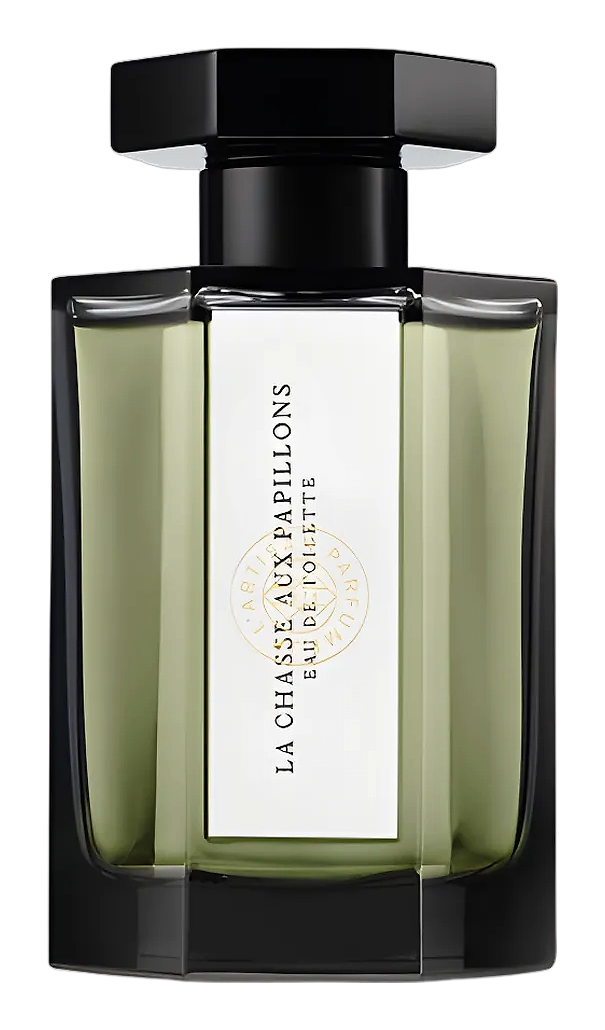
D'Humeur a Rire belongs to a now-discontinued line, a series that translated a mood into a single, focused composition rather than building around a place, an ingredient, or a marketing concept. The name does the heavy lifting emotionally, and the juice follows that lead with disarming directness. The fragrance has become something of a cult curiosity among collectors who track down discontinued L'Artisan releases, appearing in conversations about the brand's more eccentric offerings and earning a soft spot with anyone who values sincerity over sophistication in their collection.
The House
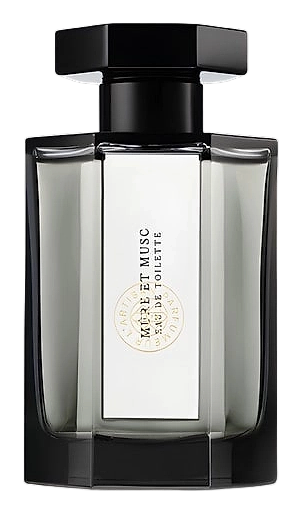
L'Artisan ParfumeurL'Artisan Parfumeur arrived in 1976 with a quietly radical idea: perfume should feel personal, not mass-produced. Founded by chemist Jean Laporte in Paris, the house became one of the first true niche fragrance houses, championing natural ingredients and artisanal craft at a time when blockbuster launches dominated the market. Its Mûre et Musc, launched in 1978, paired blackberry and musk in a way no one had attempted before, and it became a sensation. Over nearly five decades, the house has continued to create unusual fragrances with distinguished noses, never following trends but trusting instead in beautiful materials and imaginative composition.
The Creator
Olivia GiacobettiOlivia Giacobetti built her reputation on transparency, refinement, and a willingness to pursue notes others overlooked. Her most celebrated achievement remains popularizing fig in contemporary perfumery, beginning with Premier Figuier in 1994 and culminating in Philosykos in…