The Story
Why it exists.
The beginning
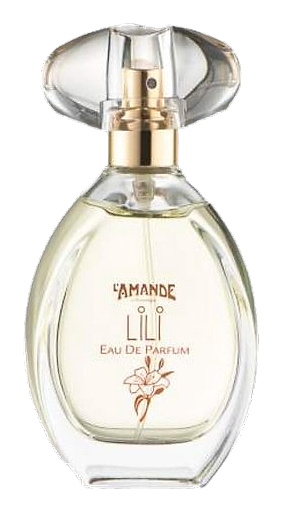
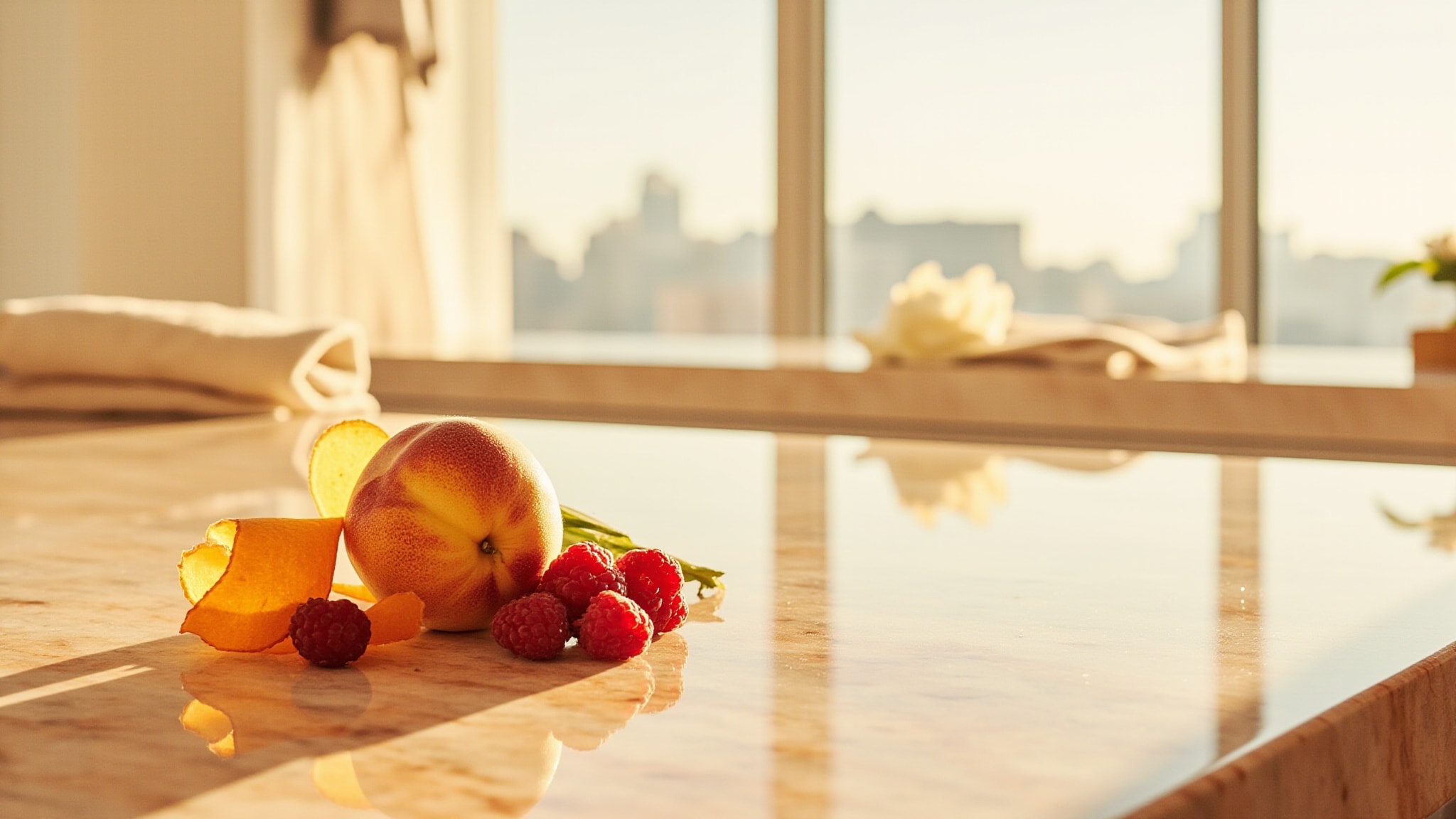
Lili takes shape as a modern floral fragrance built around a polished contrast: bright fruit and airy white florals set against earthy woods and soft musk. There is no verified launch year or perfumer credit to add here, so the composition speaks for itself. Raspberry, peach, mandarin orange, sweet orange, bergamot, and red berries create the first impression, lively but carefully balanced. They lead into ylang-ylang, tuberose, jasmine, and iris, a floral heart that feels less delicate than its ingredients might suggest. At the base, vanilla, white musk, cedar, and vetiver give the sweetness somewhere solid to land.
What makes Lili interesting is the tension between its juicy opening and its woody finish. Peach and berries supply the obvious sweetness, while citrus keeps the fruit from becoming syrupy. The floral heart adds a more dramatic register: ylang-ylang and jasmine bring creamy warmth, tuberose brings a rich floral intensity, and iris gives the bouquet a cool, powdery edge. Cedar and vetiver then pull the composition back toward the ground. It isn't a fruit scent playing dress-up. The fruit is the opening move, not the whole story.
The evolution
At first, Lili reads bright and almost weightless. Mandarin orange, sweet orange, bergamot, peach, raspberry, and red berries create a crisp, sunlit introduction with a flicker of red fruit. The heart softens that brightness, but it doesn't erase it. Ylang-ylang, tuberose, jasmine, and iris bring creamier floral texture, as if the fruit has been folded into a bouquet rather than drenched in sugar. The citrus keeps its clean lift while the berries add a rounded, juicy depth. Over time, vanilla and white musk add a soft, skin-like finish, while cedar and vetiver introduce a drier, earthier edge. As the floral notes settle, the composition shifts from clear citrus and ripe fruit to a gentler blend of cream, petals, and smooth wood. The result is a floral scent that keeps changing clothes: fruit first, flowers next, then a composed woody drydown.
Cultural impact
Lili can be explored as a study in contrast: bright fruit against white florals, smooth vanilla against dry cedar, and soft musk beside earthy vetiver. Mandarin orange, sweet orange, bergamot, peach, raspberry, and red berries create an opening that feels lively and transparent. Ylang-ylang, tuberose, jasmine, and iris then bring a richer floral texture without hiding the fruit entirely. As the composition settles, vanilla and white musk lend a rounded finish, while cedar and vetiver draw attention to the woody base.