
The Story
Why it exists.
The beginning
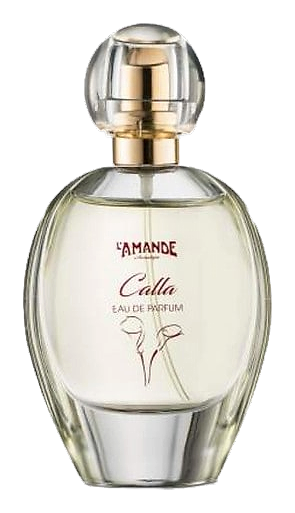
Calla takes its name directly from a flower, the arum lily, without layering on an invented origin story. The composition lists Arum Lily and Floral Notes at its center, while spices offer a warmer counterweight that keeps the floral from drifting into pure sweetness. No perfumer is publicly identified for the formula, so the most honest reading comes from the scent itself. What emerges on skin is a feminine floral shaped for elegance, intimacy, and a composed kind of presence. It reads as a fragrance with decorative instincts, yet once applied it becomes personal, a quiet signature rather than a room-filling statement.
The Floral Notes broaden the composition into a soft, rounded bouquet that gives Calla much of its gentle character. Spices weave through the petals, adding the suggestion of warmth and preventing the fragrance from tipping into a heavy oriental register. A tension emerges between these elements, and that tension is the fragrance's point of interest: calm petals, but never a one-note bouquet.
The evolution
On first application, Calla presents itself with an almost pale posture, less like a full bouquet and more like single petals held up to indirect light. The initial impression leans toward an uncomplicated floral that hasn't yet revealed its structure. As the hours pass, Floral Notes settle into a broader white floral center, and the spices begin to register as a dry warmth beneath the softness, adding dimension without weight. The floral identity stays recognizable throughout the wearing, but it gradually becomes rounder, losing the cooler top notes and settling into a more skin-adjacent register. That slow turn from airy petal to a warmer, slightly resinous close gives Calla a longer story than its delicate opening suggests, and the spices trail off as a low, gently humming trace that lingers on fabric and hair well into the evening.
Cultural impact
Calla fits within a name-driven catalogue that points directly to a flower, place, ingredient, or mood, placing it in a family with names like Ceylon, Mandarin, Attar, and Savanna. For wearers who discover it, its appeal lies in that restrained register: a floral that carries atmosphere without turning loud. It appeals to anyone drawn to arum lily, spice, and a soft sense of interior rather than overt statement-making, rewarding close attention with nuance that more declarative fragrances often skip over.