The Story
Why it exists.
The beginning
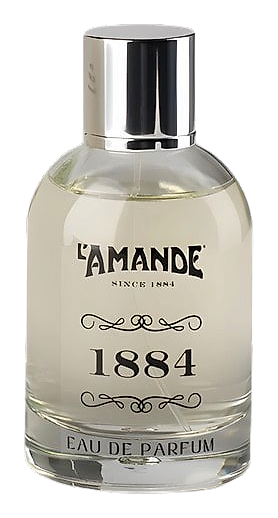
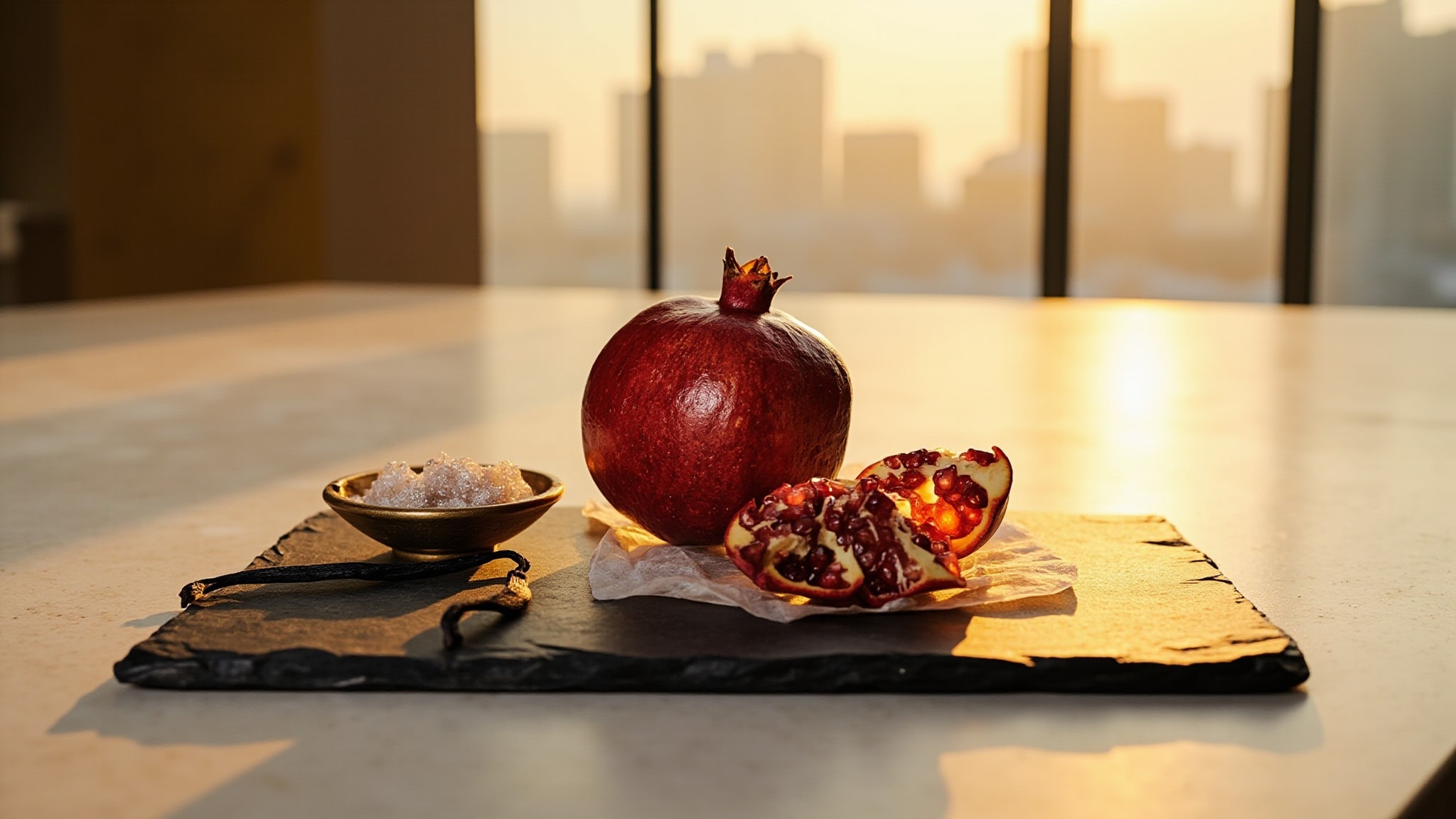
The name says it all. 1884 isn't a marketing flourish or a vault-digging exercise. It's the name L'Amande chose for this composition, and the choice does some quiet work on its own. There are no citrus notes here, no bright cologne skeleton, no bergamot or neroli lifting the top. Instead, the listed materials are pomegranate, rock sugar, caramel, vanilla, and patchouli, and they read exactly as you'd expect: warm, sweet, grounded by a single earthy anchor. Five materials. No apologies. What makes the name interesting is how the number functions. It suggests history without demanding you believe any of it. The fragrance has no obligation to live up to a date, and it doesn't try to.
What makes 1884 interesting is the deliberate friction between its registers. The top is sharp, almost tart, with pomegranate doing its best impression of something fresh-picked, the kind of fruit that has bite. The heart pulls toward white flowers and pink pepper, which is where the composition starts asking a question: is this a floral, a gourmand, or something pretending to be both? The base answers by going full warmth. Caramel, rock sugar, vanilla, patchouli. Four materials that could easily collapse into a cloying mess, but the composition holds its shape.
The evolution
The first impression is the most surprising part of 1884, and possibly the most divisive. Freesia and pomegranate arrive with genuine brightness, the red fruit giving it a slightly jam-like quality that reads as fresh rather than cooked. The pink pepper shows up quickly alongside, adding a clean warmth that keeps the opening from tipping too sweet. As the composition settles, white flowers soften the edges, and the fragrance starts to feel less like a fruit bowl and more like a room where something sweet is baking. The drydown takes its time. Caramel arrives gradually, not as a wallop but as a deepening, joined by vanilla and a grounding patchouli. Rock sugar adds a crystalline texture that prevents the caramel from going liquid. The final hours are pure warmth. Caramel, vanilla, a trace of patchouli. The fruit is gone. The flowers are gone.
Cultural impact
1884 lands in a space populated by warm, sweet compositions, and it doesn't try to outdo them. It commits fully to its materials: pomegranate for the opening lift, white flowers and pink pepper for the transitional middle, and a base of caramel, rock sugar, vanilla, and patchouli for the drydown. The result reads less like a trend-chase and more like a deliberate choice. Worn as a comfort scent, it behaves like a warmth you carry rather than announce. It's the kind of fragrance for someone who already knows what they like and has stopped second-guessing it.