The Story
Why it exists.
The beginning
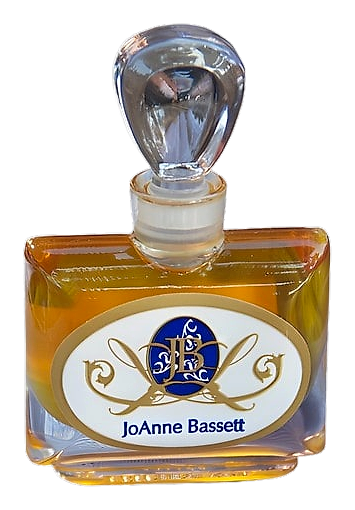
JoAnne Bassett built Marie Antoinette around a specific kind of audacity: the kind that wore turbans made of ostrich feathers and called a dairy farm a weekend retreat. This fragrance doesn't flinch from that energy. It opens crisp, almost medicinal, like herbs bundled tight in the queen's own garden at Petit Trianon. The name isn't decoration, it's a brief.
What makes this composition interesting is its structural tension. Watercress and angelica root the opening in something almost savory, green, slightly bitter, definitely not polite. Bergamot and neroli soften the landing, but that herbal backbone never fully disappears. When the tuberose arrives, it arrives with authority, and the ylang-ylang follows close behind, tropical and thick. The lavender adds an aromatic counterpoint that most florals skip entirely. Bassett isn't building a love letter to Marie Antoinette. She's building something with the same energy as Marie Antoinette: excessive, assured, not for everyone, and absolutely unforgettable to those it fits.
The evolution
The opening hits sharp and green, watercress cutting through before bergamot and neroli arrive to soften the edges. That herbal quality stays threaded through the first hour, a quiet reminder that this isn't all silk and powder. Then the florals take over. Tuberose floods in, thick and camphoraceous, and the ylang-ylang follows close, tropical and unapologetic. Rose tincture deepens the whole thing. This is the longest phase, two to three hours of white floral opulence that doesn't apologize for existing. The drydown is where the incense finally surfaces, warming everything underneath. Jasmine sambac adds sweetness, but labdanum keeps it resinous, almost smoky. On fabric, this lingers into the next day. On skin, count on a solid four to six hours of something that started crisp and ended up somewhere far more elaborate.
Cultural impact
Marie Antoinette has held its position since 2006, a quiet survivor in a market that churns through releases. For those drawn to natural perfumery, it represents a particular kind of promise: complexity that unfolds over hours rather than announcing itself in the first spray. Bassett's botanical approach means this fragrance changes shape depending on the wearer, the season, the skin. That unpredictability is either the point or the problem, depending on who you ask.