The Story
Why it exists.
The beginning
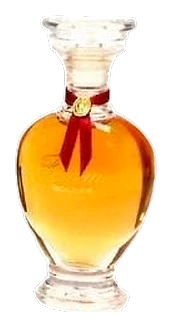
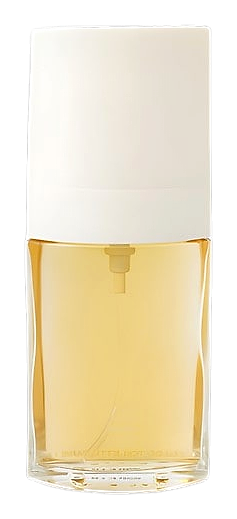
Lune arrived in 1984, the same year its house was building something larger than fragrance. Jean-Marc Sinan, designer, entrepreneur, empire-builder, had spent the early eighties constructing a holding company that would eventually encompass seventy companies. The perfumes were part of that ambition. Lune was not an afterthought. It was a statement made in the language of chypre: bergamot, rose, oakmoss. The moon as metaphor, luminous, constant, exerting pull without effort.
What makes Lune structurally interesting is the aldehyde-rose pairing at its center. Aldehydes give fragrance that slightly waxy, luminous quality, the smell of candlelight on skin, of cold cream in a silver pot. Combined with rose, it becomes something specific: retro-feminine, confident, unhurried. The cardamom in the heart adds an unexpected spice that lifts the florals without softening them. This is not a fragrance designed to please everyone in the room. It is designed to be remembered by the one person who matters.
The evolution
The aldehydes hit first, a cold metallic brightness that takes about five minutes to soften. Then the rose and jasmine emerge, slow and deliberate, with the ylang-ylang adding a creaminess underneath. The coriander disappears quickly, but its fresh spice lingers in the transition. By the second hour, the oakmoss asserts itself fully, earthy, green, almost savory. The vetiver and labdanum keep the base anchored, warm and resinous. On skin, expect four to six hours. On fabric, it lingers until the next wash.
Cultural impact
Lune belongs to the bold, assertive fragrance era of the 1980s, when designers built empires and perfumes were meant to announce arrival. It shares its chypre-floral structure with Mitsouko and Femme, though its aldehydic brightness and warm labdanum base set it apart. The fragrance has maintained a quiet following among those who seek vintage character in a modern landscape, perfume as identity, not accessory.