The Story
Why it exists.
The beginning
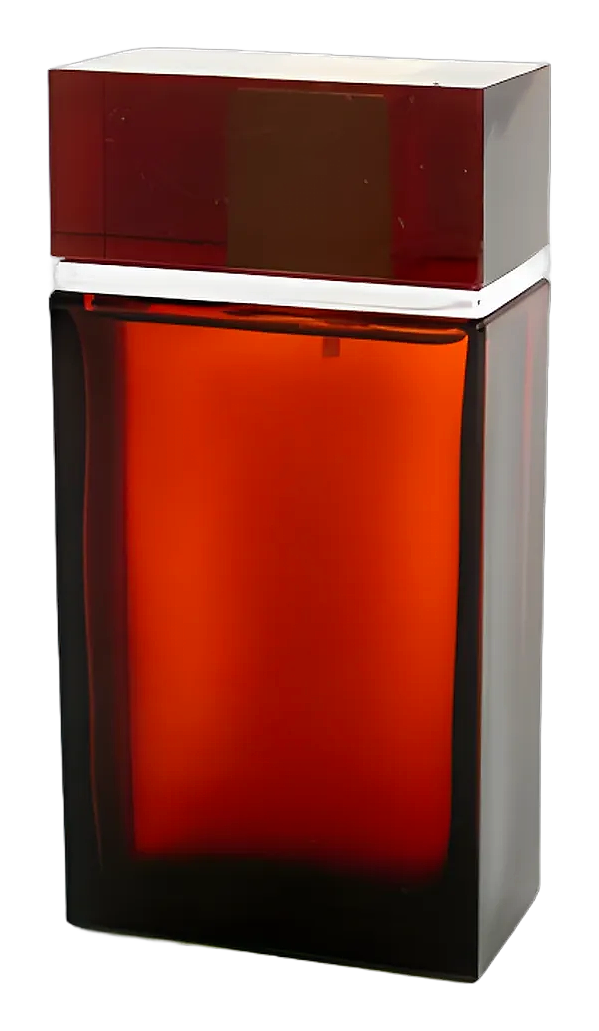
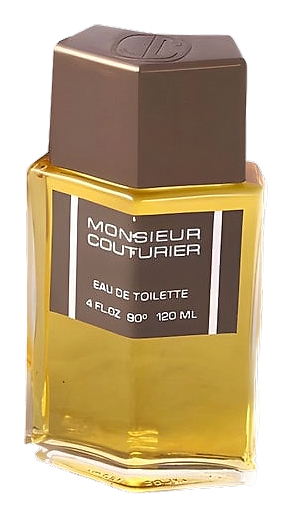
Monsieur Couturier arrived in 1976 from a house built on craft. The perfume house traces its origin to the work of Jacqueline Couturier, whose composition became its first release. Coriandre followed, created in 1973 by Jacqueline Couturier, and established the house's quiet authority. By the mid-1970s the house was ready to expand its range, and Raymond Chaillan was called to compose its masculine counterpart. The result was a spicy-leathery composition that took the technical precision of trained perfumery and pointed it at a very particular sort of wearer. Pierre Dinand designed the bottle, lending the launch its final architectural line, a sharp rectangular form that echoed the composition's refusal to ornament itself.
What makes this composition worth pausing over is its refusal to sweeten the leather. Monsieur Couturier builds its heart around tobacco and spice, two materials that ask the leather to do something rougher. The woody notes underneath carry warmth without softness, and the tobacco leaf that threads through the composition refuses to behave as smoke. It reads as cured, folded, slightly sweet at its edges but never sugary, the way good pipe tobacco carries an almost vegetal dryness before any sweetness registers.
The evolution
The first thirty minutes are the sharpest statement. Spicy notes arrive almost immediately, cutting through with a dry heat that smells like crushed seed and warm bark. There is very little sweetness here, and the opening reads almost confrontational, the kind of scent that announces itself without raising its voice. As the first hour passes, the leather begins to assert itself. It arrives as something supple but structured, carrying a faint animalic undertone that gives the composition its depth. The tobacco surfaces next, not as smoke but as cured leaf, sweet-edged but never sugary. By the third hour the composition has settled into its true register: leather and tobacco in close conversation, with woody warmth underneath holding everything in place.
Cultural impact
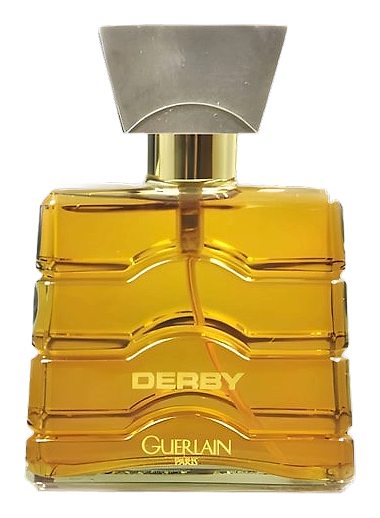
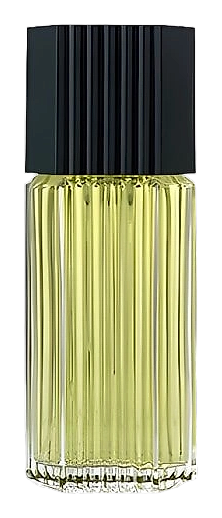
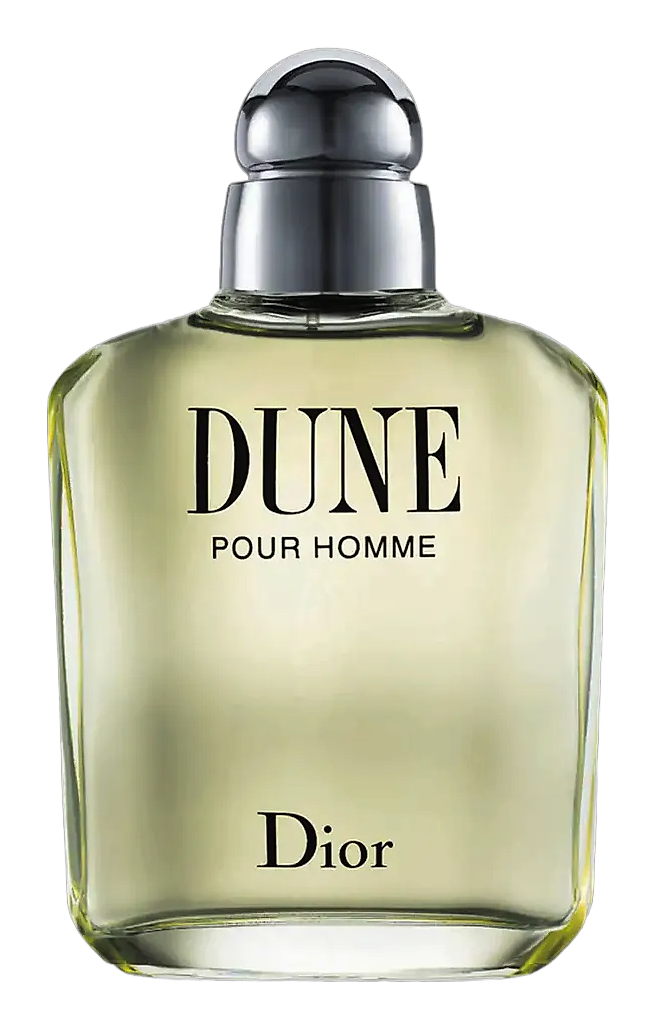
Wearers describe Monsieur Couturier as the scent of someone who walks in already knowing why they are there. Its closest neighbors in the leather category include Knize Ten and Guerlain's Derby, two compositions that share its refusal to soften the central accord with sweetness. The production was apparently discontinued, which has made the fragrance something of a quiet trophy for those who come across a sealed bottle. In fragrance communities it is discussed less as a trend piece and more as a reference point for what a 1970s masculine leather could accomplish when it trusted its wearer to match its seriousness.