The Story
Why it exists.
The beginning
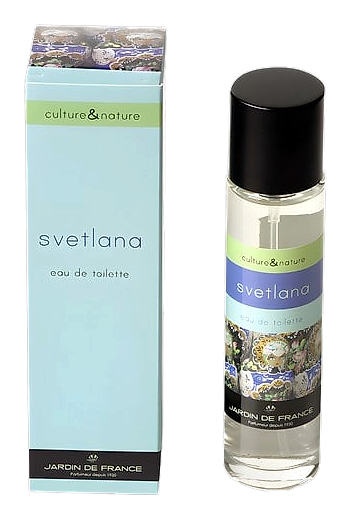
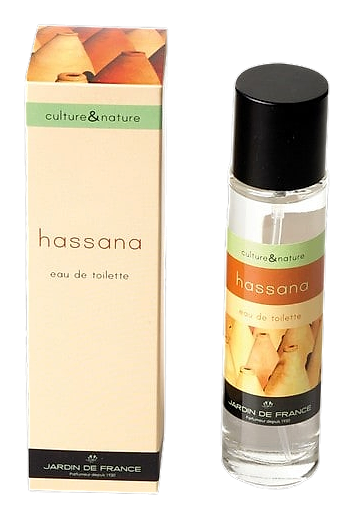
Hassana launched in 2008 as part of Jardin de France’s Culture & Nature line, a collection built around fragrances inspired by different places and cultures. Its own setting is Morocco, pictured through a particular kind of beauty: hot desert air, green trees, and flowers with enough presence to hold their own. The composition is credited to Expressions Parfumees Grasse. Rather than treating Moroccan culture as a broad idea, the scent focuses on a vivid floral landscape, with orange and green leaves at the front, then cactus fig, rose, jasmine, freesia, and lily of the valley through the center. Cedar and musk bring the whole garden back to earth.
The interesting part is the contrast inside the name and the accord. Morocco’s desert image brings to mind heat, dryness, and exposed earth, while the heart of Hassana is lush with white flowers and rose. Cactus fig gives that floral garden an unexpected edge, pairing with the brightness of green leaves and orange. The opening feels awake, but the powdery white florals keep it from becoming a simple citrus scent. As the composition develops, cedar and musk shape the later notes, leaving a woody, musky trace with a lighter, less sweet presentation.
The evolution
Hassana begins with a clipped, leafy brightness: green notes and orange cut through the air, while hyacinth adds a cool floral edge. That opening settles into a more generous bouquet, where rose and jasmine give the composition warmth and presence. Freesia and lily of the valley bring a soft, almost powdery air around it, and cactus fig keeps the heart from turning overly sweet. As the flowers recede, cedar and musk take over. The drydown is less about a dramatic change than a change in temperature: the bright garden becomes a clean, woody memory on skin. The composition moves from a lively green and citrus opening into a fuller floral heart, then narrows again as the flowers soften and the woody, musky notes come forward.
Cultural impact
Hassana is associated with Jardin de France’s Culture & Nature register, and its Moroccan setting gives the fragrance a place-based frame built around desert, foliage, and flowers. The name and accord bring those visual references together with a composition that moves from green notes and orange into hyacinth, rose, jasmine, freesia, lily of the valley, cactus fig, cedar, and musk. The result is a fragrance story shaped by the meeting of a desert image and a lush floral heart, with the later notes adding a woody, musky dimension to the overall presentation.
The House
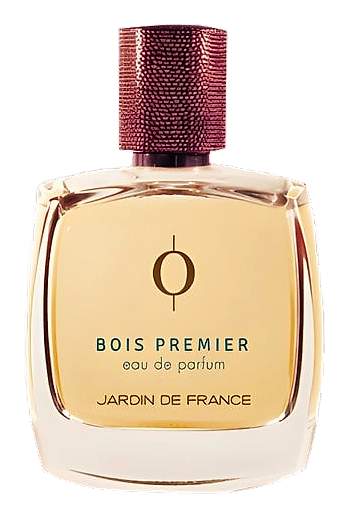
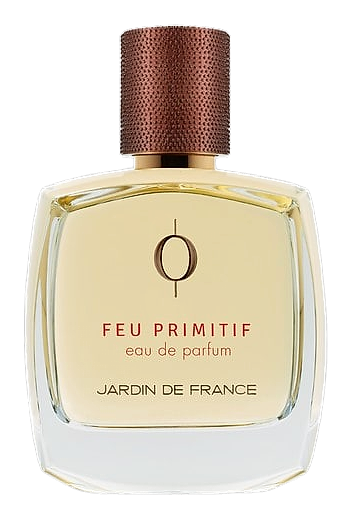
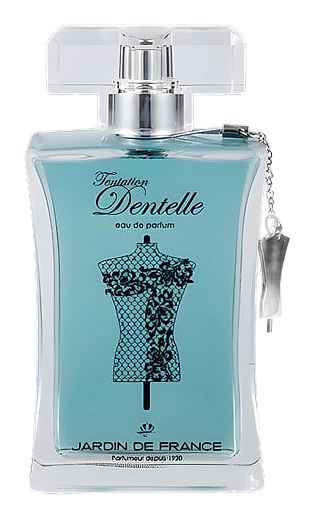
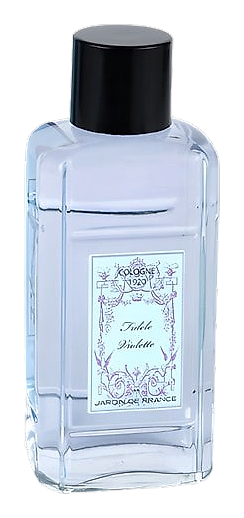
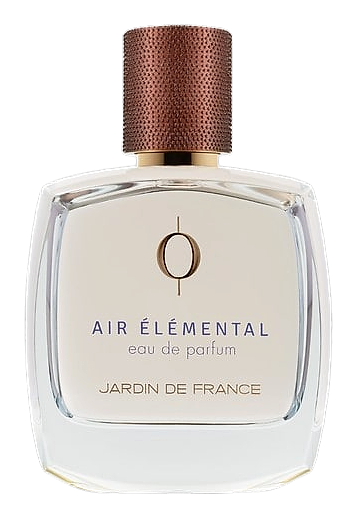
Jardin de FranceJardin de France is a French fragrance house that quietly curates scents rooted in the garden‑inspired heritage of its namesake. The portfolio reads like a stroll through a historic orchard, with classics such as Violette and Lilas sitting beside modern compositions like Air Elemental (2018) and Ouranos Eau Céleste (2014). Each bottle promises a moment of quiet discovery, whether the wearer seeks the crisp bite of ginger in Gingembre or the earthy calm of Vetiver. The brand remains modest in its public profile, yet its creations have earned a steady following among collectors who value consistency and a subtle sense of place.
The Creator
Expressions Parfumees GrasseThe signature of Expressions Parfumees lies in its layered architecture. A typical composition opens with a bright top, often a citrus burst or a sparkling aldehyde, then settles into a heart built from floral or aromatic notes that echo the region’s gardens.