The Story
Why it exists.
The beginning
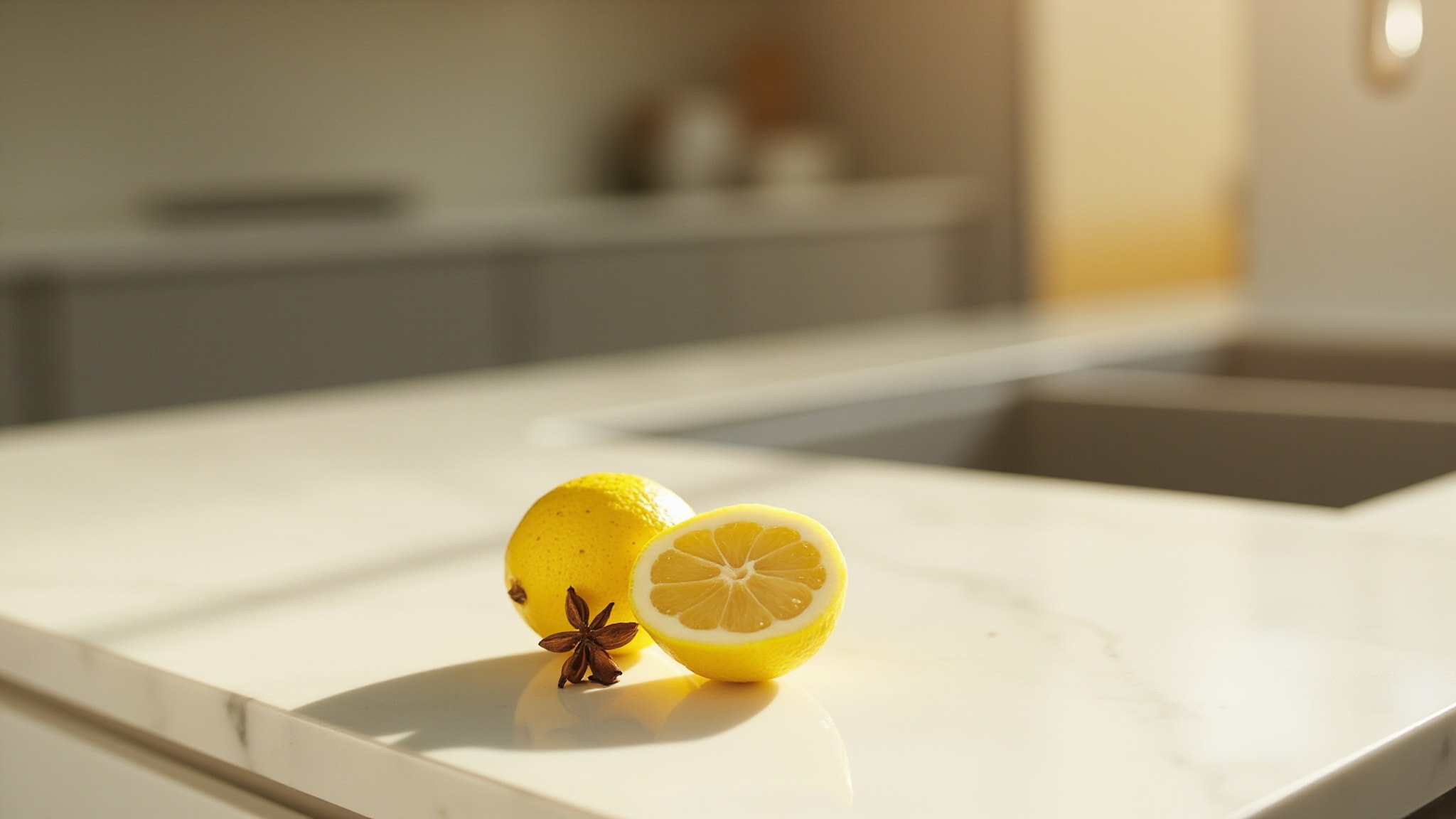
Eau epicee arrived in 1920, and its spelling points clearly to spice. The composition follows that cue closely. Amalfi lemon and orange form a lively citrus opening, bright and immediately expressive, before ginger and star anise introduce a warmer aromatic register. Cardamom adds another layer of spice, while jasmine brings a floral touch between the fruit and spice. Nutmeg deepens the warm middle, giving the fragrance more dimension than a straightforward citrus scent. Musk and vanilla complete the structure with a soft base. There is no documented campaign story or named muse here, just the composition itself: aromatic, spicy, and deliberately balanced, with citrus at the front, spice at the center, and softer notes settling underneath.
The unusual part is the handoff. Bright lemon and orange give way to ginger and star anise, so the opening never becomes merely fresh. Cardamom and nutmeg introduce a dry, aromatic warmth, while jasmine adds a floral hinge between citrus and spice. The final pairing of musk and vanilla keeps the result soft and wearable rather than clinical. That tension is what gives Eau epicee its character: a citrus opening with spice in its pocket.
The evolution
On skin, Eau epicee begins with a crisp, sunny lift. Amalfi lemon and orange create a clean edge, then ginger and star anise bring a controlled rush of heat, like spice caught in cool air. As the opening moves inward, cardamom and nutmeg make the warmth more pronounced, and jasmine adds a white floral flash between citrus and spice. The base settles gradually. Vanilla softens the drydown, while musk contributes a smooth, low-contrast finish. That final combination is the surprising detail: the fragrance can start sharp and bright, then become gently rounded without losing its aromatic character. As it wears, the initial citrus gradually recedes, leaving a softer impression shaped by vanilla, musk, and the earlier spices.
Cultural impact
Eau epicee presents an aromatic and spicy take on fragrance, pairing bright citrus with ginger, star anise, cardamom, nutmeg, jasmine, musk, and vanilla. Its appeal lies in the way these notes share the composition: lemon and orange bring a lively opening, warmer spices add intensity, and jasmine introduces a contrasting floral accent. Musk and vanilla provide a soft finish beneath the sharper fruit and spice. The result feels suited to anyone who enjoys discovering fragrance through balance and texture rather than relying on a single dominant impression.
The House
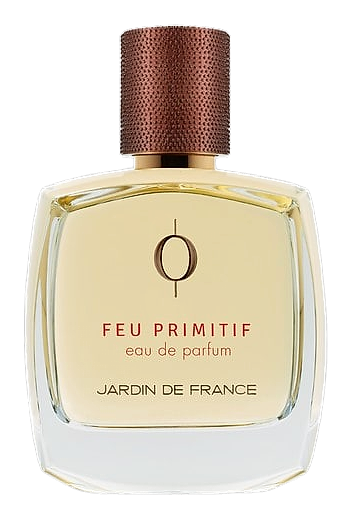
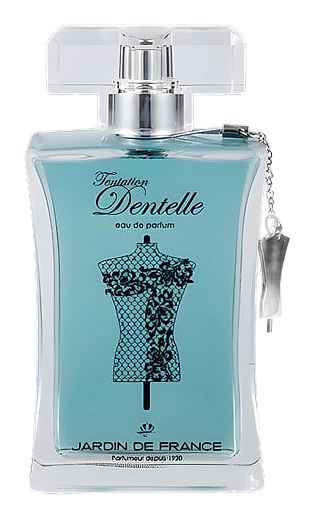
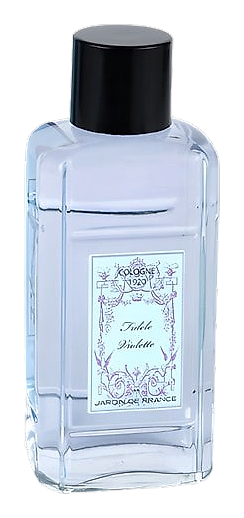
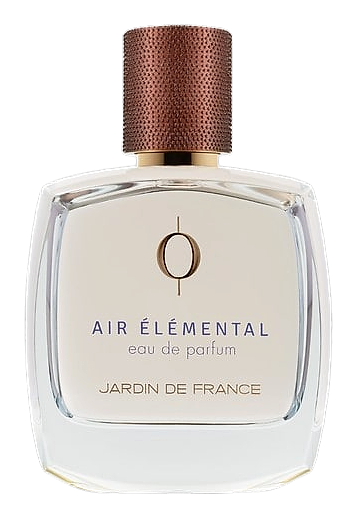
Jardin de FranceJardin de France is a French fragrance house that quietly curates scents rooted in the garden‑inspired heritage of its namesake. The portfolio reads like a stroll through a historic orchard, with classics such as Violette and Lilas sitting beside modern compositions like Air Elemental (2018) and Ouranos Eau Céleste (2014). Each bottle promises a moment of quiet discovery, whether the wearer seeks the crisp bite of ginger in Gingembre or the earthy calm of Vetiver. The brand remains modest in its public profile, yet its creations have earned a steady following among collectors who value consistency and a subtle sense of place.
The Creator
Expressions Parfumees GrasseThe signature of Expressions Parfumees lies in its layered architecture. A typical composition opens with a bright top, often a citrus burst or a sparkling aldehyde, then settles into a heart built from floral or aromatic notes that echo the region’s gardens.