The Story
Why it exists.
The beginning
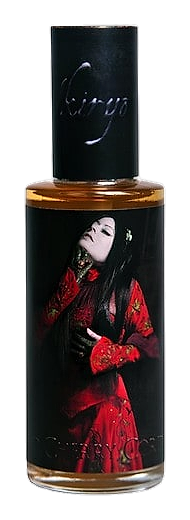
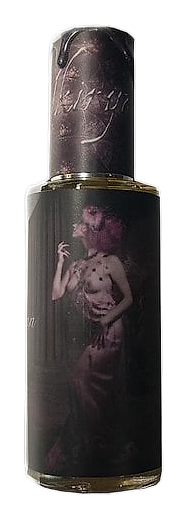
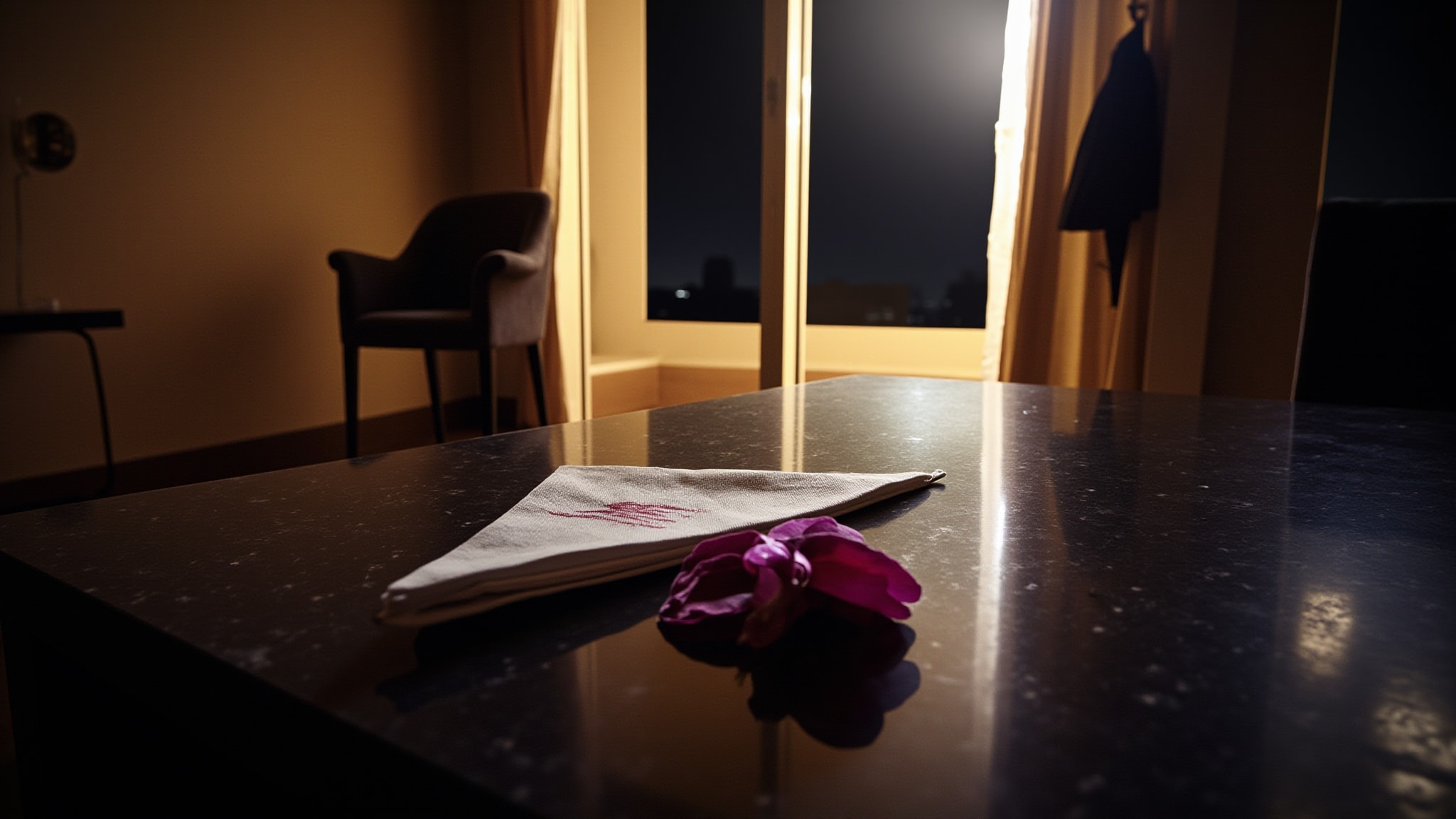
The Venusian is built around a floral meeting with an untamed edge. Orchid and rose move through incense and frankincense, creating a contrast between luminous petals and darker, resinous depth. Blackcurrant introduces a bright, tart lift, while a martini accord brings a crisp, cosmopolitan tension to the composition. As the fragrance develops, the floral heart remains expressive but never entirely soft: incense and frankincense lend a smoky trace, and French vanilla rounds the frame with a warm sweetness. On skin, it shifts between vivid brightness and sensual shadow, revealing different facets as the hours pass.
The unusual part is the balance. Blackcurrant and Martini make the composition feel freshly poured and a little provocative; orchid and rose keep it elegant rather than simple. Then Incense and Frankincense introduce a veil of resinous darkness. White Musk and French Vanilla give the drydown skin-like warmth. The result doesn't behave like a neat little floral. It's more like a dressed-up alter ego, sweet and smoky, polished with a controlled flash of tension.
The evolution
The opening lands first with the juicy snap of blackcurrant and the cool, herbal brightness implied by Martini. That sparkle quickly gives way to Orchid and Rose, where the composition becomes more visibly floral, but incense keeps the sweetness from becoming innocent. Frankincense deepens that shadow, giving the heart a resinous edge, like perfume seen through smoke-dark glass. As the hours pass, White Musk settles close to the skin and French Vanilla rounds out the edges. The tartness softens first; the vanilla and musk remain as a warm trace. By the end, The Venusian reads less like a bright cocktail and more like the scent left in a scarf after a long night, floral still, faintly smoky, and close enough to feel personal.
Cultural impact
The Venusian draws on a cultural vocabulary of myth, archetypes, and identity in motion through its dramatic floral and incense profile. Orchid and rose establish a refined floral center, but the darker notes keep the fragrance from becoming purely decorative. Incense and frankincense add a ceremonial, almost cinematic depth, while blackcurrant and the martini accord bring a contemporary nightlife-facing energy. French vanilla connects the contrasting layers with warmth and sweetness, allowing the composition to move between radiance and shadow as its scent evolves.
The House
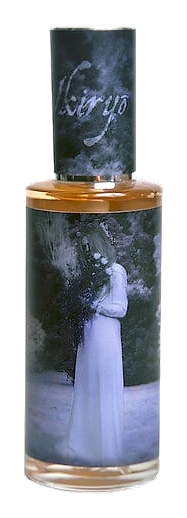
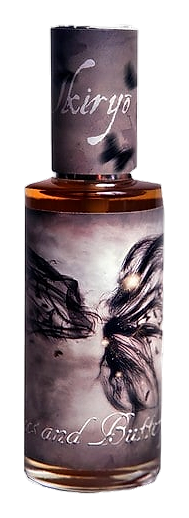
IkiryōIkiryō is an independent perfume house based in San Francisco, founded by Vincent Dreamhouse. The brand takes its name from the Japanese concept of ikiryō: a spirit that leaves the body during sleep, wandering between worlds while the physical form rests. This haunting imagery infuses the entire collection, where each fragrance functions as a kind of olfactory double, capturing emotional states and narrative moments rather than simple ingredient assemblies. Ikiryō has released roughly a dozen perfumes since its debut, including Desdemona, Miscegenation, Succubus, Incubus, Damn Hippie, Ame Torturée, Lucidité, Fugue, Continuum, and Beija-Flor. The house occupies a distinctive position within American artisan perfumery, blending theatrical conceptualization with materials drawn from the broader fragrance supply chain. Vincent Dreamhouse brings a background in costume and visual design for opera companies to his work in fragrance, translating a sense of character, narrative, and stagecraft into liquid form. The result is a collection that tends toward atmospheric, emotionally layered compositions with names borrowed from literature, mythology, and cultural archetypes.
The Creator
Vincent of DreamhouseVincent's aesthetic remains somewhat opaque from available information, as neither specific fragrance compositions nor signature ingredients have been documented in sources reviewed. His Japanese-influenced brand naming suggests cultural curiosity and a willingness to draw fro…