The Story
Why it exists.
The beginning
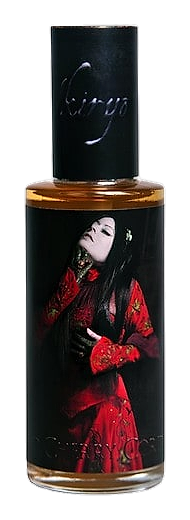
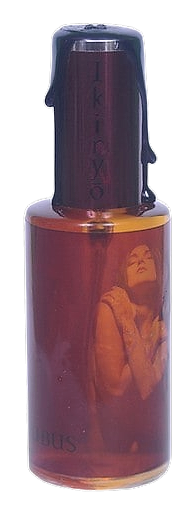
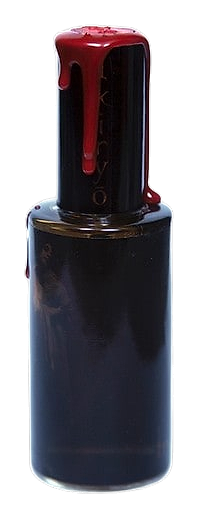
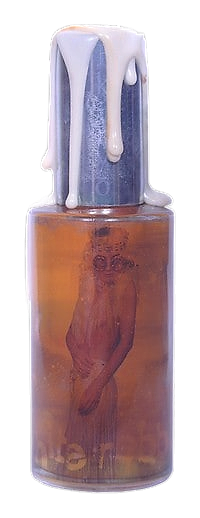
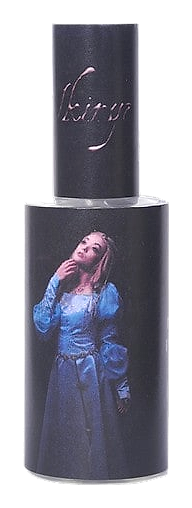
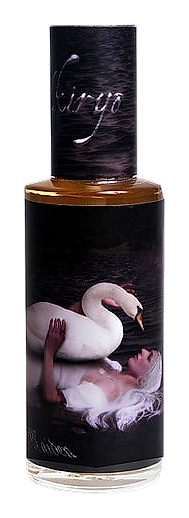
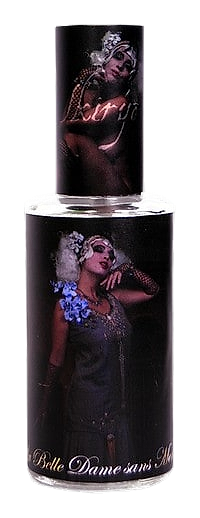
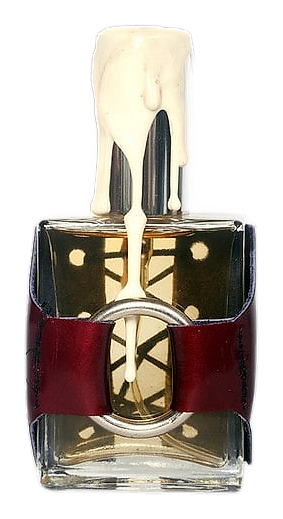
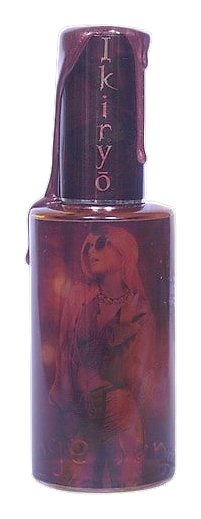
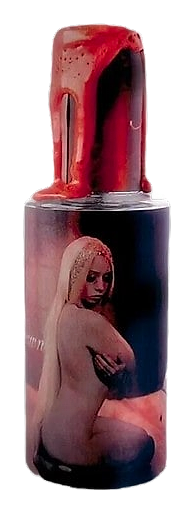
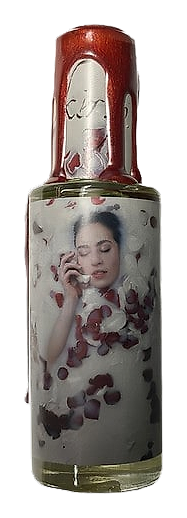
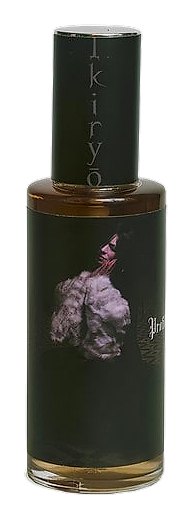
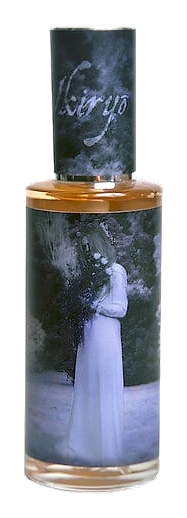
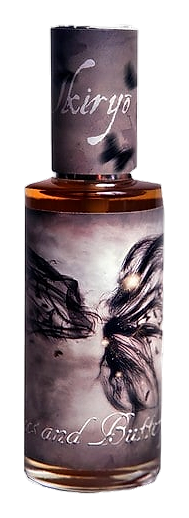
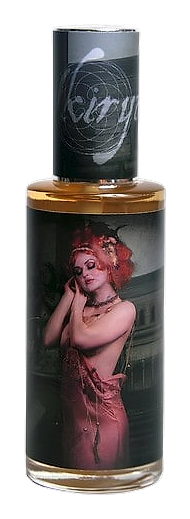
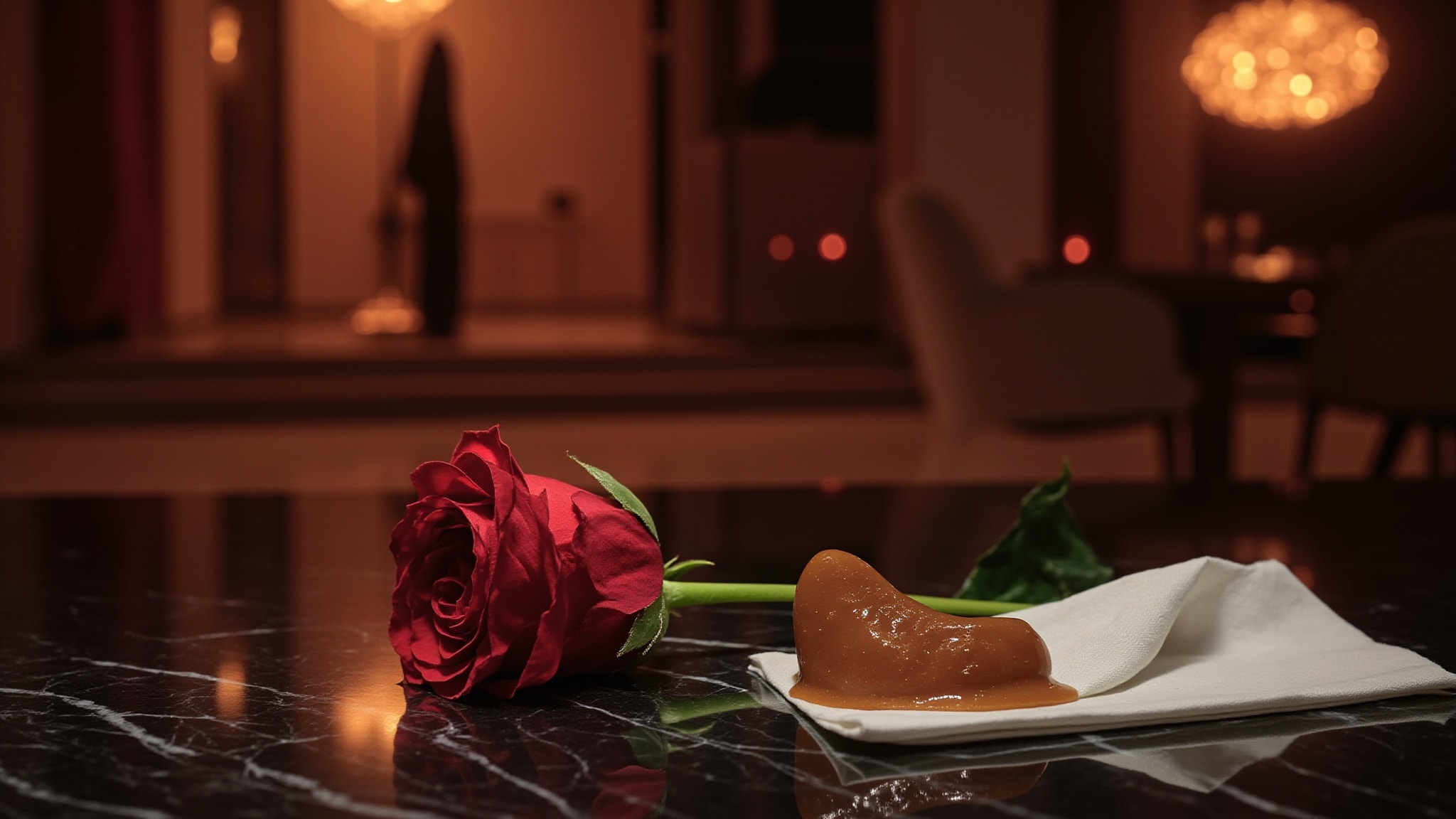
Rose of Venus launched in 2021 as part of Vincent of Dreamhouse's Roses collection, with a tribute to the screen vamps of the 1910s and 1920s, including Theda Bara, Pola Negri, Evelyn Nesbit, and Anita Berber. That early cinema knew how to make an entrance. The composition follows suit, placing Rose de Mai at the center of a dense floral, spicy, sweet, smoky, and balsamic frame. Bergamot brings light, ivy and linden add green texture, while rum and caramel lend a boozy warmth. A listed incense/frankincense accord supplies the shadow. The result is a rose with theatrical ambition, less a fresh bouquet than a character making herself known.
Its distinctive tension comes from the collision of rose and smoke. Ivy and linden tree bring a leafy, almost vine-covered quality to the opening, while bergamot keeps the first impression lifted. Rum softens caramel into a sweet, boozy accent rather than a flat dessert note. The listed incense/frankincense accord deepens the composition, adding a darker, resinous dimension beneath the floral warmth. Together, these materials create a floral that carries both polish and irregularity. The rose remains the central character, but the surrounding notes keep it from becoming predictable.
The evolution
The composition brings together green movement, floral warmth, and smoky depth. Ivy and linden tree create a leafy frame, while bergamot adds brightness to the opening. Linden blossom carries the floral mood, and rum and caramel introduce rounded sweetness with a boozy character. Rose de Mai sits at the center of the scent, framed by the listed incense/frankincense accord. As the fragrance develops, the rose remains rich and unmistakable, joined by the green texture of ivy and linden and the contrasting warmth of rum and caramel. The result is a layered floral trail that balances sweetness with smoke and balsamic shadow.
Cultural impact
Rose of Venus draws on the dramatic imagery associated with literary, mythic, and theatrical archetypes, especially the screen vamps of the 1910s and 1920s. The names Theda Bara, Pola Negri, Evelyn Nesbit, and Anita Berber connect the composition to an era of spectacle, disguise, and power. Its presentation invites you to discover scent as a way of inhabiting a character.
The House
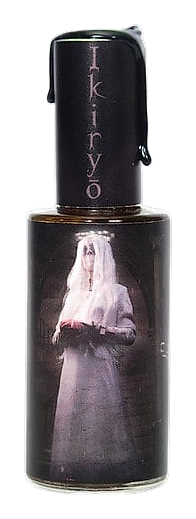
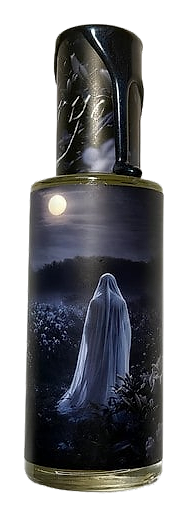
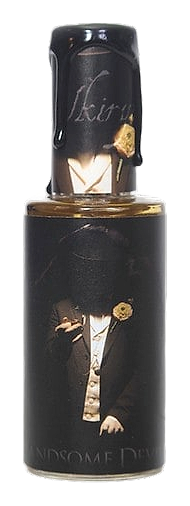
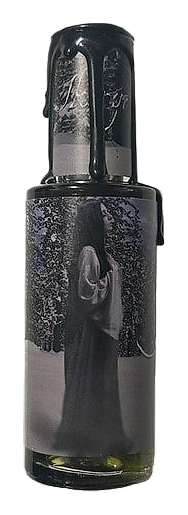
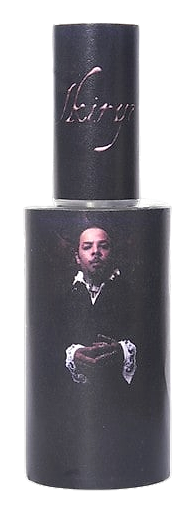
IkiryōIkiryō is an independent perfume house based in San Francisco, founded by Vincent Dreamhouse. The brand takes its name from the Japanese concept of ikiryō: a spirit that leaves the body during sleep, wandering between worlds while the physical form rests. This haunting imagery infuses the entire collection, where each fragrance functions as a kind of olfactory double, capturing emotional states and narrative moments rather than simple ingredient assemblies. Ikiryō has released roughly a dozen perfumes since its debut, including Desdemona, Miscegenation, Succubus, Incubus, Damn Hippie, Ame Torturée, Lucidité, Fugue, Continuum, and Beija-Flor. The house occupies a distinctive position within American artisan perfumery, blending theatrical conceptualization with materials drawn from the broader fragrance supply chain. Vincent Dreamhouse brings a background in costume and visual design for opera companies to his work in fragrance, translating a sense of character, narrative, and stagecraft into liquid form. The result is a collection that tends toward atmospheric, emotionally layered compositions with names borrowed from literature, mythology, and cultural archetypes.
The Creator
Vincent of DreamhouseVincent's aesthetic remains somewhat opaque from available information, as neither specific fragrance compositions nor signature ingredients have been documented in sources reviewed. His Japanese-influenced brand naming suggests cultural curiosity and a willingness to draw fro…