The Story
Why it exists.
The beginning
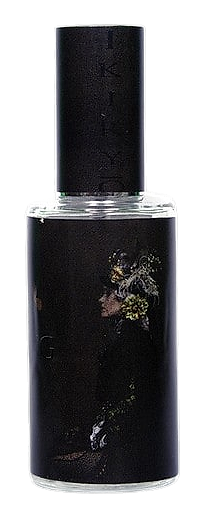
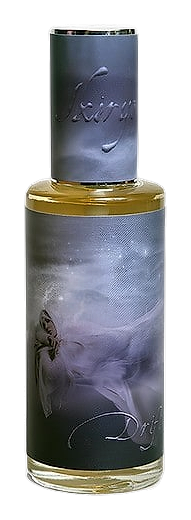
Drifting began with the song of the same name by the band Lycia. Vincent of Dreamhouse spent time developing the idea through multiple formulations before settling on lavender as its center, even though it isn't an ingredient the perfumer usually emphasizes. The finished composition launched in 2020, placing lavender between White Musk, Peru Balsam, and Hedione. That unconventional emphasis gives the familiar note a more suspended quality: aromatic and powder-soft, but held in moving air rather than pressed firmly into a bar of soap.
The construction is interesting because its most recognizable ingredient isn't the whole story. White Musk gives Drifting a clean, intimate base, while Hedione adds an airy floral lift. Peru Balsam brings a warmer, resinous edge that keeps the lavender interesting as it dries down. Together, they stretch the composition between cool and warm, powder and skin, fresh air and soft timber. The result feels less like a single lavender gesture than a slow change in atmosphere.
The evolution
Drifting opens with a cool, transparent impression, where lavender carries an airy floral hush and Hedione keeps the composition suspended. White Musk softens that first movement into something close and powdery. As the scent settles, Peru Balsam introduces a warmer, balsamic depth, making the lavender feel less herbal and more like fabric brushed against skin. Musk remains the lasting thread, while Hedione keeps the composition from turning heavy. Over the course of its reported 8-10 hour wear, the arc moves from misty and lifted to gentle, warm, and skin-close, leaving a soft musky trace rather than a loud signature.
Cultural impact
Ikiryō sits within an independent, narrative-led fragrance culture, where compositions are framed around emotional states and imagined worlds. Drifting follows that sensibility through its musical inspiration and drifting, dreamlike atmosphere, offering a quieter counterpoint to louder niche scents. Its lavender-and-musk profile connects naturally with wearers who prefer restraint, atmosphere, and a soft sense of mystery over immediate spectacle.
The House
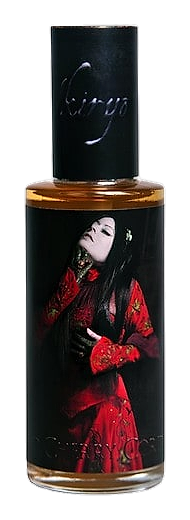
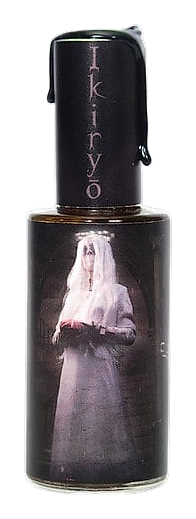
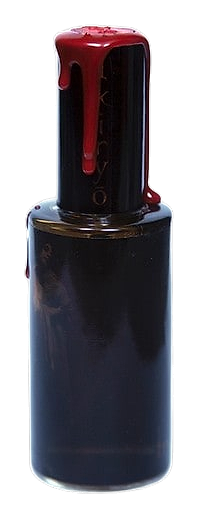
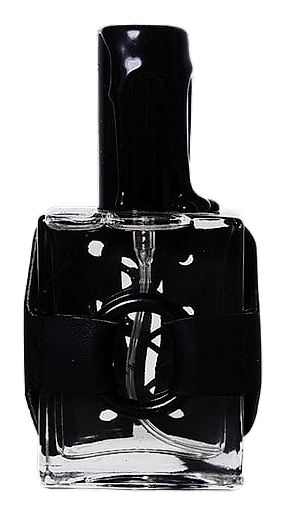
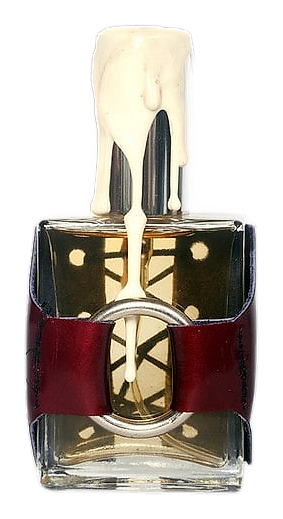
IkiryōIkiryō is an independent perfume house based in San Francisco, founded by Vincent Dreamhouse. The brand takes its name from the Japanese concept of ikiryō: a spirit that leaves the body during sleep, wandering between worlds while the physical form rests. This haunting imagery infuses the entire collection, where each fragrance functions as a kind of olfactory double, capturing emotional states and narrative moments rather than simple ingredient assemblies. Ikiryō has released roughly a dozen perfumes since its debut, including Desdemona, Miscegenation, Succubus, Incubus, Damn Hippie, Ame Torturée, Lucidité, Fugue, Continuum, and Beija-Flor. The house occupies a distinctive position within American artisan perfumery, blending theatrical conceptualization with materials drawn from the broader fragrance supply chain. Vincent Dreamhouse brings a background in costume and visual design for opera companies to his work in fragrance, translating a sense of character, narrative, and stagecraft into liquid form. The result is a collection that tends toward atmospheric, emotionally layered compositions with names borrowed from literature, mythology, and cultural archetypes.
The Creator
Vincent of DreamhouseVincent's aesthetic remains somewhat opaque from available information, as neither specific fragrance compositions nor signature ingredients have been documented in sources reviewed. His Japanese-influenced brand naming suggests cultural curiosity and a willingness to draw fro…