
The Story
Why it exists.
The beginning
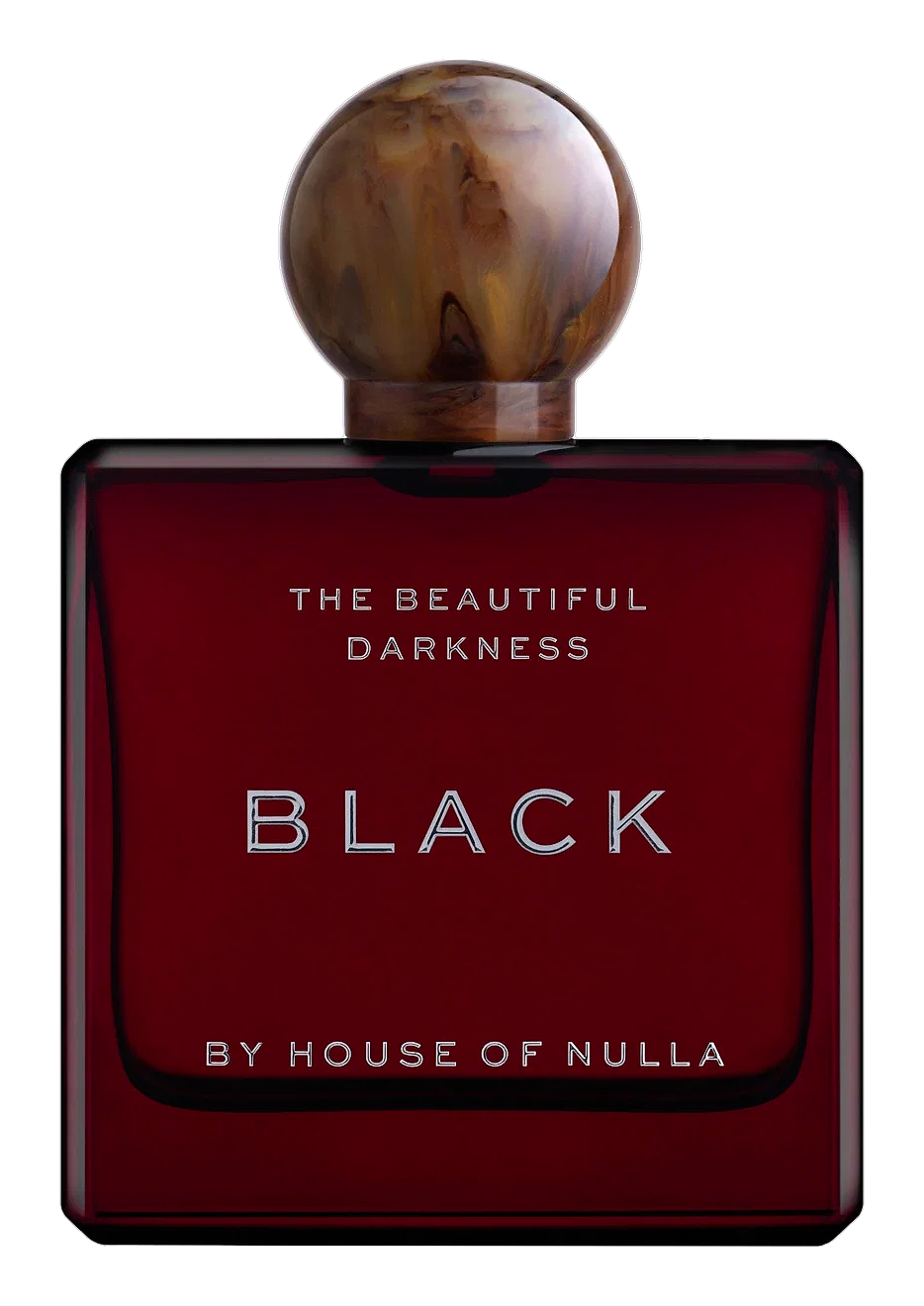
House of Nulla sourced the Halfeti black rose from southeastern Turkey where the Euphrates meets mineral-rich soil, producing petals with a darkness that borders on violet. This legendary bloom, kissed by unique geological conditions, forms the beating heart of Black. The perfumer worked to capture not the rose's color but its character, that medicinal almost-alarming quality that separates it from any other rose. Extrait concentration ensures every nuance of this singular ingredient is preserved.
The note pyramid reflects a philosophy of layering warmth upon warmth. Each category builds on the previous without contradiction. The opening citrus exists only to cut the rose's intensity; the heart's spices exist to deepen the floral character; the drydown's woods exist to ground everything in permanence. This is not a fragrance of contrasts but of accumulated meaning, each stage adding another layer to the black rose's story. The extrait format was chosen specifically to honor the black rose's subtlety, ensuring that its medicinal character registers fully rather than being lost in diffusion.
The evolution
Black begins with Black Rose immediately asserting its character, softened only slightly by Mandarin Orange's brightness. As the citrus fades, the spice cabinet opens. Cinnamon and Nutmeg emerge first, followed by Cypriol's earthy smoke and Patchouli's grounding depth. Geranium and Rose soften what could become harsh, while Labdanum adds a sticky, resinous quality. The transition to the drydown happens gradually, Tonka Bean's sweetness preparing the way for the woody finale. Amber Notes provide warmth while White Musk ensures the woods never become heavy, creating a finish that lingers for hours.
Cultural impact
Black emerged at a time when Turkish perfumery was seeking to assert its own identity on the global stage. By foregrounding native Black Rose and mandarin orange, the fragrance celebrates regional agriculture and the craft of small‑scale growers in Anatolia. Its launch in 2026 coincided with a resurgence of interest in heritage ingredients, prompting local artisans to revisit traditional extraction methods. The perfume has been cited in cultural reviews as a bridge between contemporary design and historic botanical practices, encouraging younger consumers to explore the stories behind each note.