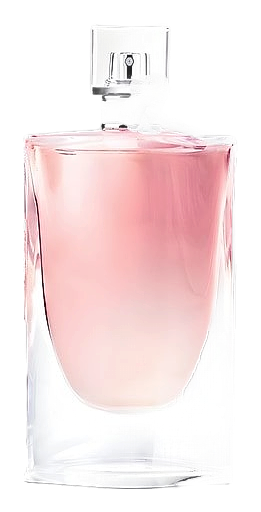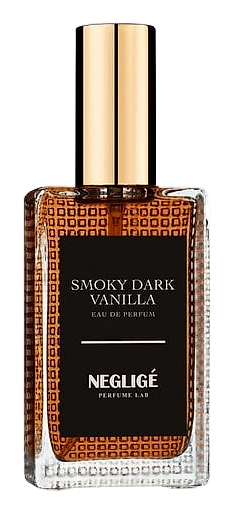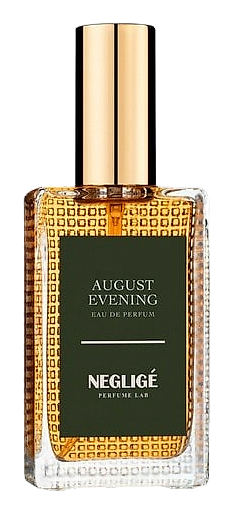

The Story
Why it exists.
The beginning
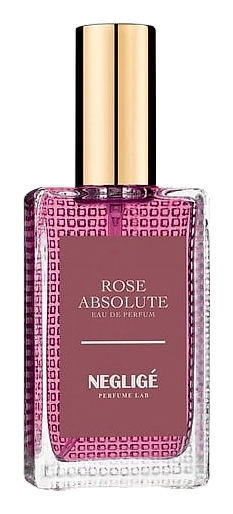
Rose Absolute began with a question Mariya Chaykovskaya kept returning to in her Odessa lab: what happens when you strip rose back to its most essential form? Not the romantic archetype, not the potpourri staple. The actual molecule. The absolute. The name isn't a flourish, it's the brief. She worked with Damask rose and May rose, two distinct profiles that share a surname but argue over everything else: Damask brings warmth and depth, May brings a lighter, more vertical quality. Rose Hip pulled both toward something earthier, more honest. The result reads less like a love letter to rose and more like a scientific paper on one.
What makes this composition interesting is the structural choice to lead with watery florals before the rose announces itself. That translucent opening isn't a mistake, it's the perfumer slowing the reveal. By the time Damask and May fully arrive, they're not competing with bergamot or citrus for attention. They have the stage. The pink pepper in the base doesn't announce itself loudly either; it whispers a faint spice that keeps the rose from going too soft. Jasmine rounds the edges without overwhelming. Powder finishes the drydown quietly, present, not theatrical. The whole composition behaves like something made by someone who distrusts adjectives and trusts materials instead.
The evolution
The opening arrives almost tentatively. Watery florals, a faint coolness that reads more mineral than green. No fanfare. The rose builds slowly, not landing all at once, Damask first, then May rising to meet it, with rose hip adding a quiet undertone of something more honest, more lived-in than the petals alone. Thirty minutes in, the composition hits its stride. Pink pepper threads through, barely perceptible at first, then impossible to ignore, it lifts the density of the rose without sweetening it. Jasmine settles underneath, warm and close. The sillage stays intimate throughout. Four to six hours later, powder. Not the talc-of-your-grandmother powder, but something cleaner, more abstract, the memory of rose, dried down to its quietest self.
Cultural impact
Rose Absolute arrived during a cultural shift toward intimate personal fragrance, away from the bold projection that dominated the 2010s. The 2020s have seen collectors gravitate toward scents that reward close acquaintance rather than announcing themselves across a room. This composition from Negligé Perfume Lab reflects that broader taste, offering restraint as a form of sophistication rather than weakness. The brand's Ukrainian origin also places it within a rising wave of perfumers from Eastern Europe gaining global recognition for technical precision and unconventional approaches.
The House
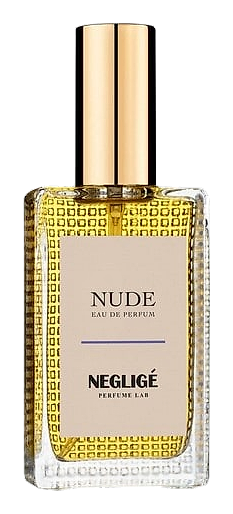
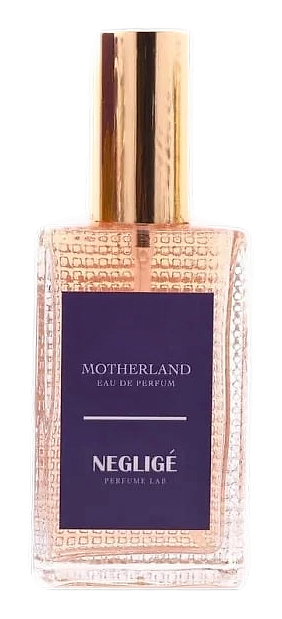
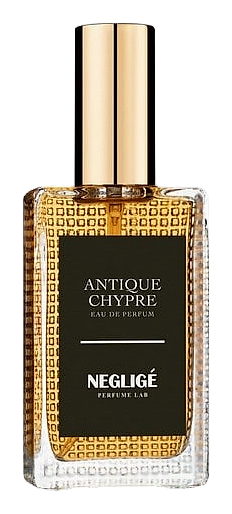
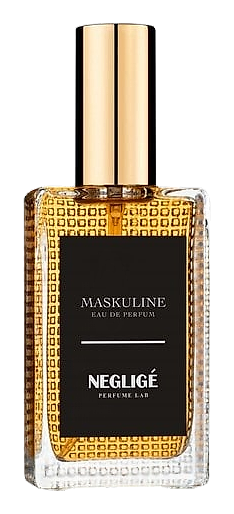
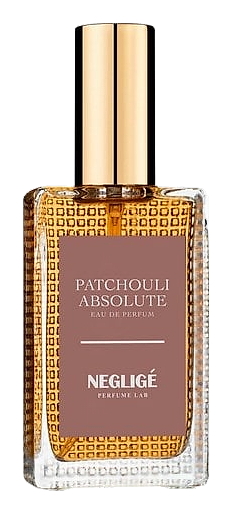
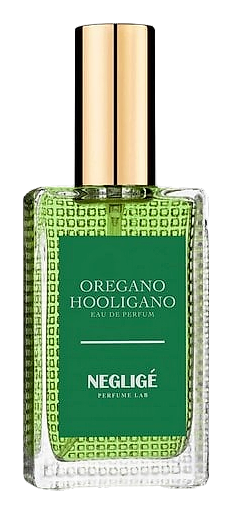
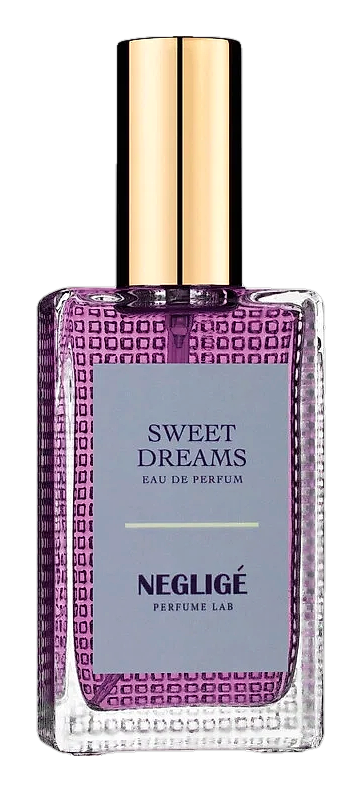
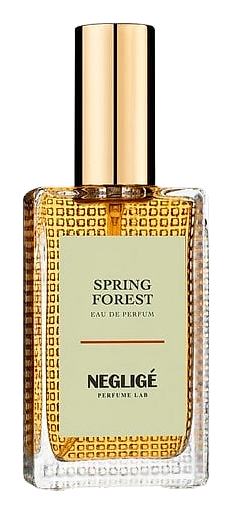
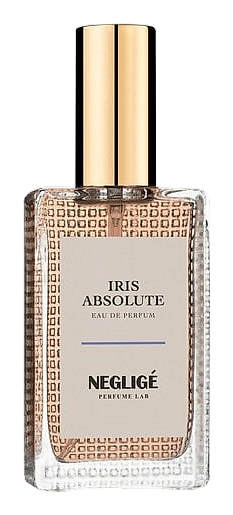
Negligé Perfume LabNegligé Perfume Lab is a niche fragrance house that emerged from a laboratory in Odessa, Ukraine in 2020. Founded by Mariia Chaikovskaya, a chemical technologist with a PhD, the brand quickly built a catalogue of intimate, daring scents that blur the line between art and chemistry. Within two years the house released a dozen fragrances, ranging from the soft, powdery Nude (2020) to the forest‑green Spring Forest (2021). Each composition is presented in minimalist bottles that let the scent speak for itself, inviting collectors to explore a world where scientific rigor meets olfactory curiosity. The label positions itself as a laboratory for scent experiments rather than a commercial perfume house, appealing to those who value originality and craftsmanship over mass‑market trends.
The Creator
Mariya ChaykovskayaMariya favors a clean, linear structure that highlights single notes before they mingle. She often begins with a bright top—bergamot, pink pepper, or crisp green apple—then introduces a heart of herbal or floral nuance such as violet leaf or meadow grass.