The Story
Why it exists.
The beginning
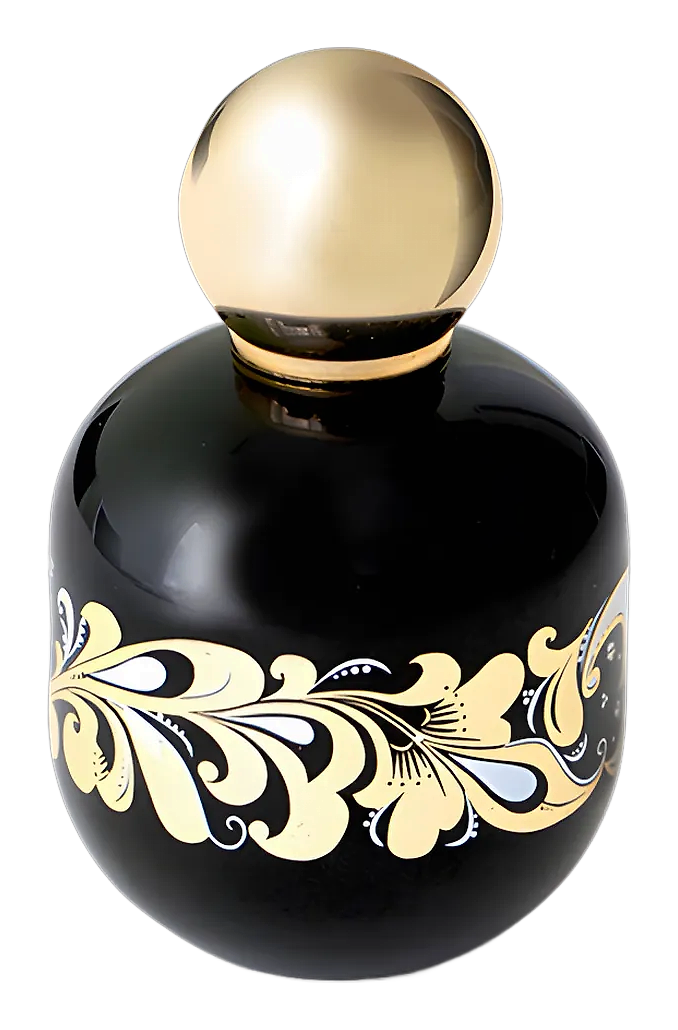
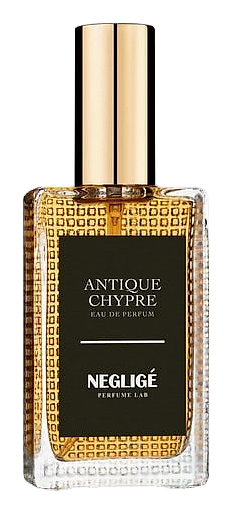
The name says it plainly: this is a chypre. Not an homage or a reimagining, a return to the structure that defined an entire era of perfumery before synthetic replacements softened its edges. Maria Chaikovskaya built Antique Chypre in her laboratory in 2020, seeking to understand what happens when a classic formula is stripped of its modern accommodations. The chypre family, built on bergamot, oakmoss, and an anchoring presence, had been gradually transformed by regulatory pressures over decades. What remained of the original skeleton was often apologetic, hedged, made palatable. Chaikovskaya wanted to see what happened if you stopped apologizing for the bones beneath.
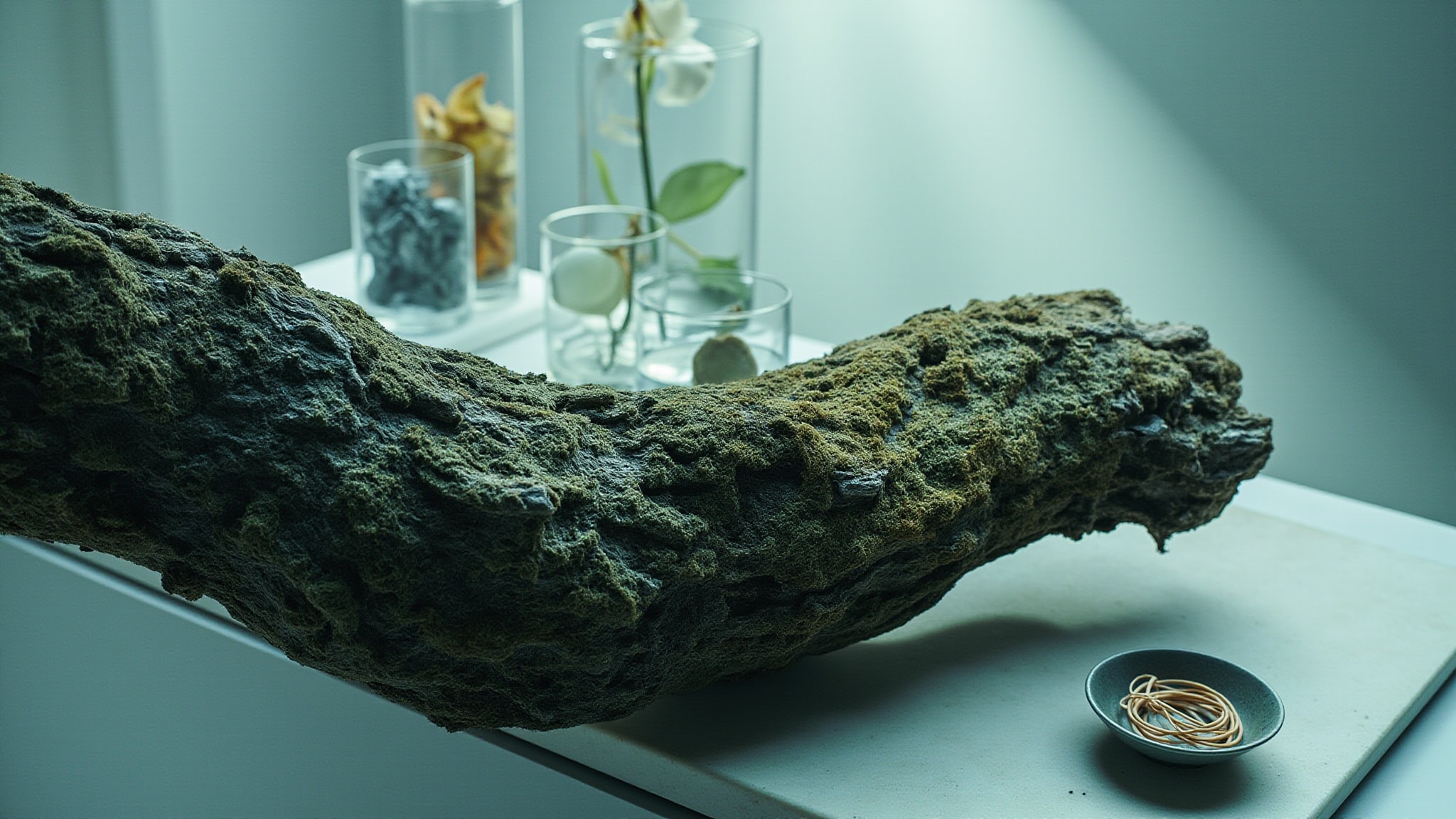
What makes the composition interesting is how it handles the tension between freshness and darkness. The top delivers, basil and bergamot arrive crisp and almost culinary, a green brightness that signals intent. But the heart belongs to an older tradition. Oakmoss at realistic concentrations smells like damp bark, like forest floors after rain, like something the modern reformulated versions have forgotten how to do. Frankincense doesn't sweeten here. It smolders. The base of sandalwood and white iris adds powdery softness that prevents the whole thing from becoming bleak, a bridge back to wearability without abandoning the structure's integrity.
The evolution
It opens sharp. Basil and bergamot announce themselves without apology, a green-citrus burst that asserts the composition's intentions. The oakmoss rises like a slow tide, not replacing the brightness but undercutting it, adding earth and damp and the smell of bark you might find in an old-growth forest. Incense arrives concurrently, threading its presence through the moss. These two materials create the heart of the fragrance, a dark and assured core that feels ancient and rooted. The drydown belongs to white iris and sandalwood: powdery, slightly sweet, creamy. What remains is a soft skin scent, intimate, close, the ghost of something that was once assertive. The progression moves naturally from brightness through depth to softness, each phase informing the next rather than replacing it.
Cultural impact
Antique Chypre enters a space where classical perfumery structures have become increasingly rare. The original chypres, with their distinctive oakmoss-driven character, were once foundational to the perfume industry. Regulatory pressures over the past decades forced many houses to reformulate their signature scents, reducing the very elements that defined the style. This created an opening for compositions that return to traditional structures without compromise. Antique Chypre offers an uncompromising chypre structure at niche pricing, made available to those who seek it.