
The Story
Why it exists.
The beginning
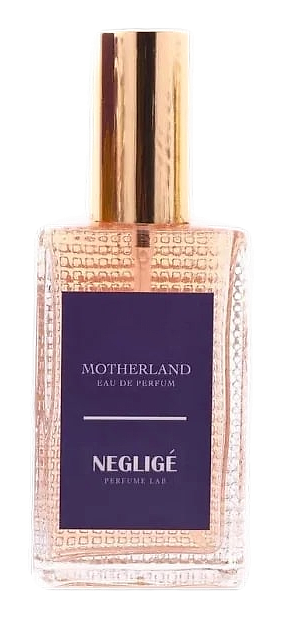
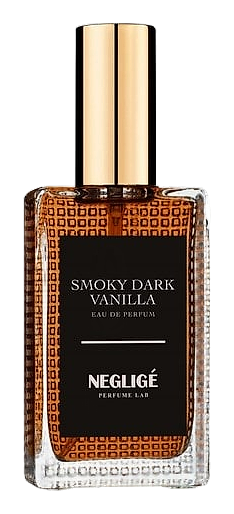
Smoky Dark Vanilla arrived in 2020 from Mariya Chaykovskaya's laboratory in Odessa. The name is the concept: take vanilla, already versatile, already beloved, and push it somewhere darker. Chaykovskaya's background in chemical technology meant she wasn't working from mood boards or trend reports. She was working from the molecular level up, asking what vanilla could become when surrounded by smoke, tar, and leather instead of the usual cream and tonka. The result isn't a dessert fragrance. It's a statement about what happens when sweetness stops trying to be agreeable.
Two vanillas anchor this composition: Indian and Madagascar. Indian vanilla tends darker, more resinous, it carries the weight of the name in its olfactory character. Madagascar vanilla is rounder, sweeter. Together they form a duality that the smoke and tar then interrogate. Birch tar is the sharpest move in the base: it adds a medicinal, almost ashy quality. The mineral oil note, flagged in community reviews, is another deliberate choice. It's not accidental. It's the part of the fragrance that makes people lean in or pull back, and Chaykovskaya left it in.
The evolution
The opening announces itself with smoke and rum, sharp and immediate. No warmup period. The vanillas arrive within minutes, thick, almost syrupy, not the sanitized vanilla extract from a kitchen drawer. Pine smoke threads through, keeping the sweetness from ever becoming cloying. The leather doesn't announce itself; it arrives later, settling under everything else like a worn jacket. The birch tar surfaces in the drydown, mineral, ashy, almost medicinal. That's the tell. This one keeps its spine. The drydown is leather, tobacco, and something still faintly sweet on skin, detectable only if someone presses close enough to matter.
Cultural impact
Smoky Dark Vanilla occupies an unusual position in the niche fragrance landscape: it's a vanilla-forward fragrance with character. The birch tar and mineral qualities attract a specific kind of wearer. Collectors who gravitate toward it are looking for something with depth and complexity. The fragrance's Ukrainian origin adds a layer of discovery, it's not a Scandinavian minimalist or a Parisian heritage house. It's someone working in Odessa, applying chemistry to olfaction without caring whether the result fits a category.