Amber Notes
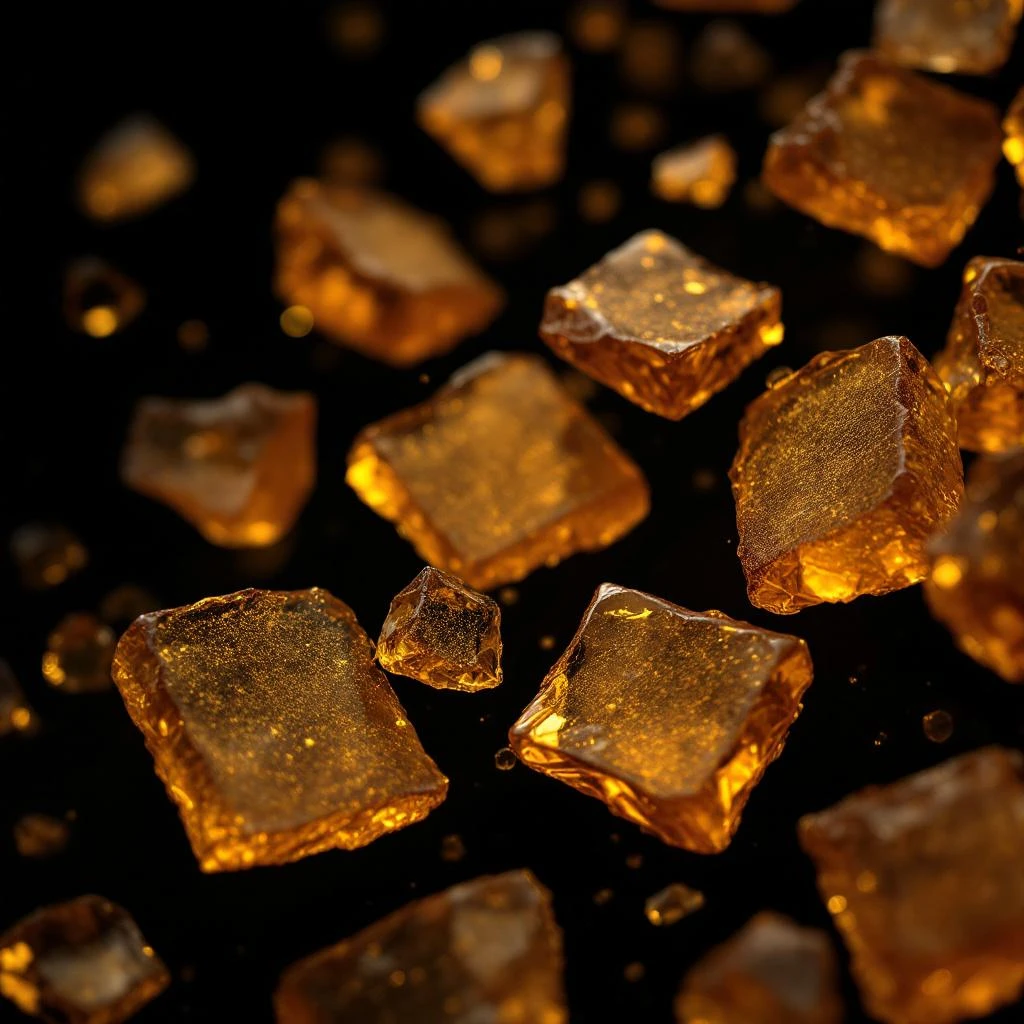
Amber is a warm, sensual accord built from labdanum, benzoin, and vanilla—a perfumery fantasy that captures the golden glow of ancient resin without using it.
Character
How it smells
The perfumer's golden glow
In 2021, Michael Edwards officially renamed the Oriental fragrance family to Amber across all English-language classifications.








Origin
Mediterranean Basin / Southeast Asia
Amber accord traces its roots to ancient Egypt, where Kyphi incense blended honey, wine, and aromatic resins into sacred formulations used for religious offerings and personal ritual. Arabian perfumers of the classical era refined these sweet, resinous combinations, laying the groundwork for what we now call amber.
The Greeks and Romans traded Baltic fossilized amber as a precious material, believing it held medicinal and magical properties, though perfumers had already begun approximating its warmth through botanical alternatives. By the late 19th century, synthetic vanilla enabled mass production of amber accords independent of natural scarcity.
In June 2021, Michael Edwards—whose Fragrance Wheel organizes the global fragrance industry—officially retired the term Oriental, replacing it with Amber across all English-language classifications. The change reflected a broader industry shift toward culturally sensitive terminology while honoring the sensory truth of what these fragrances actually evoke: warmth, resin, and golden depth.
Wears it best
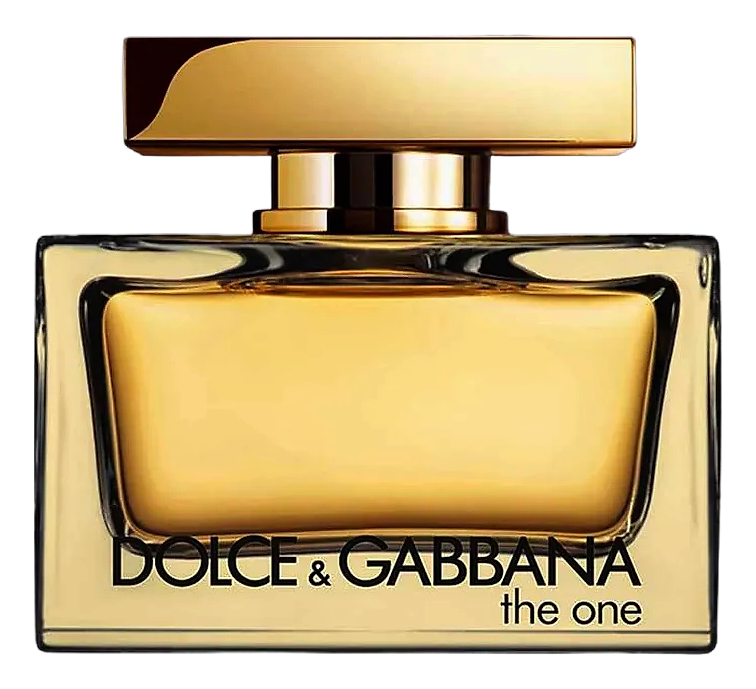
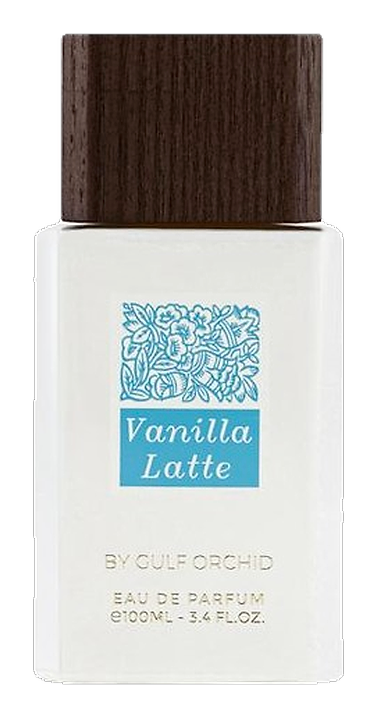
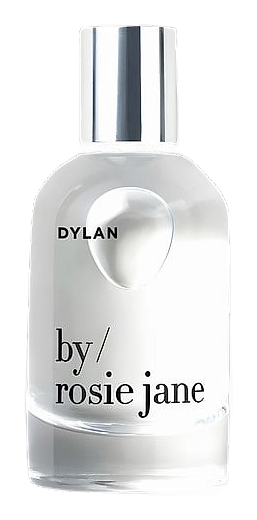
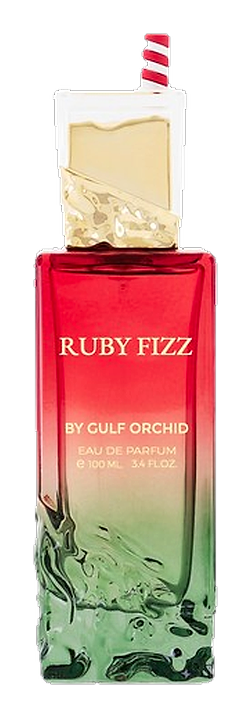
Fragrances featuring Amber Notes
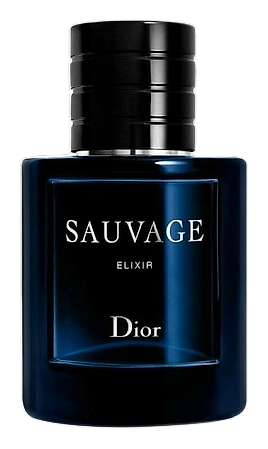
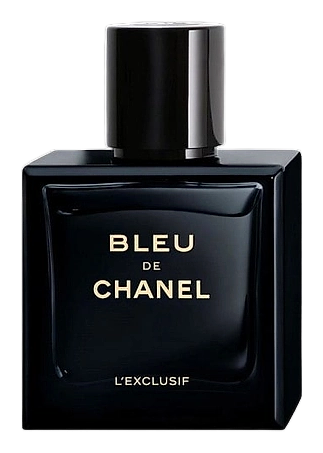
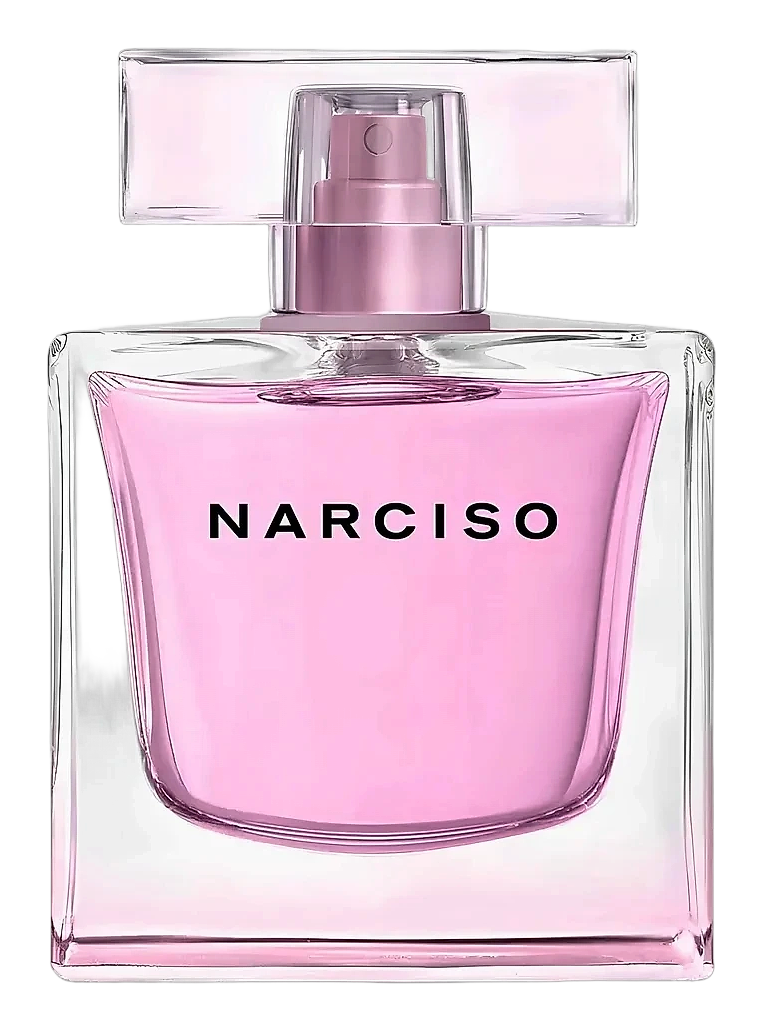
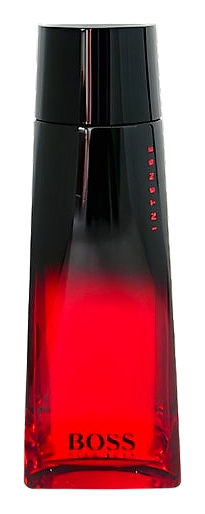
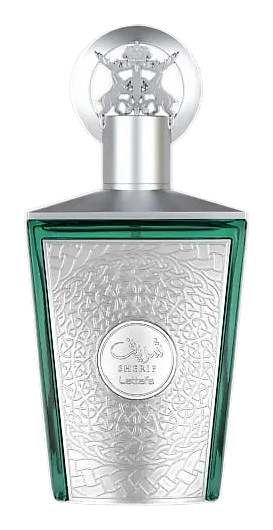
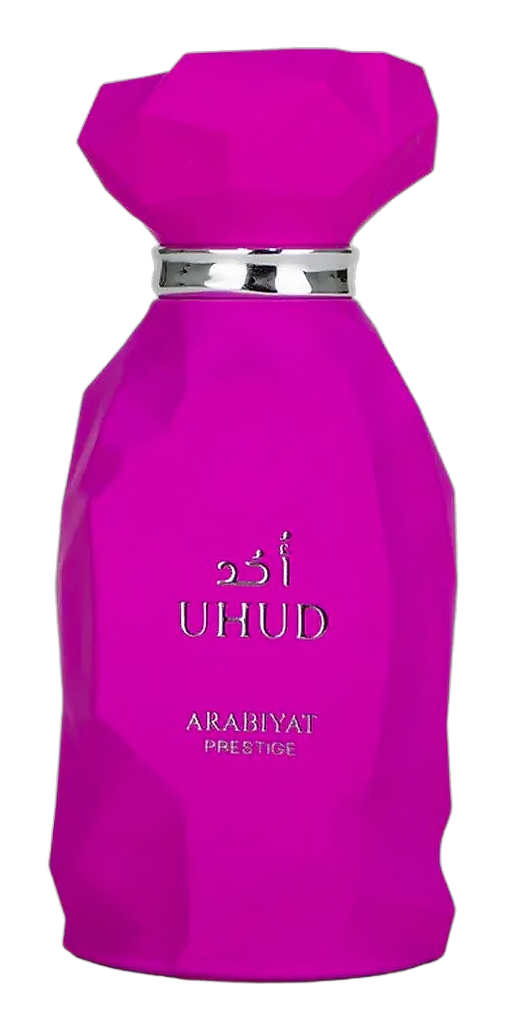
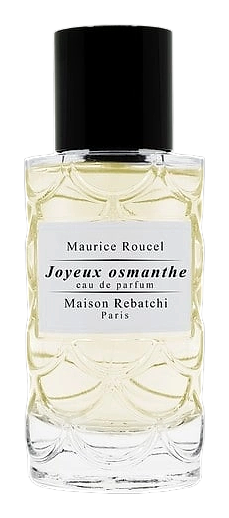
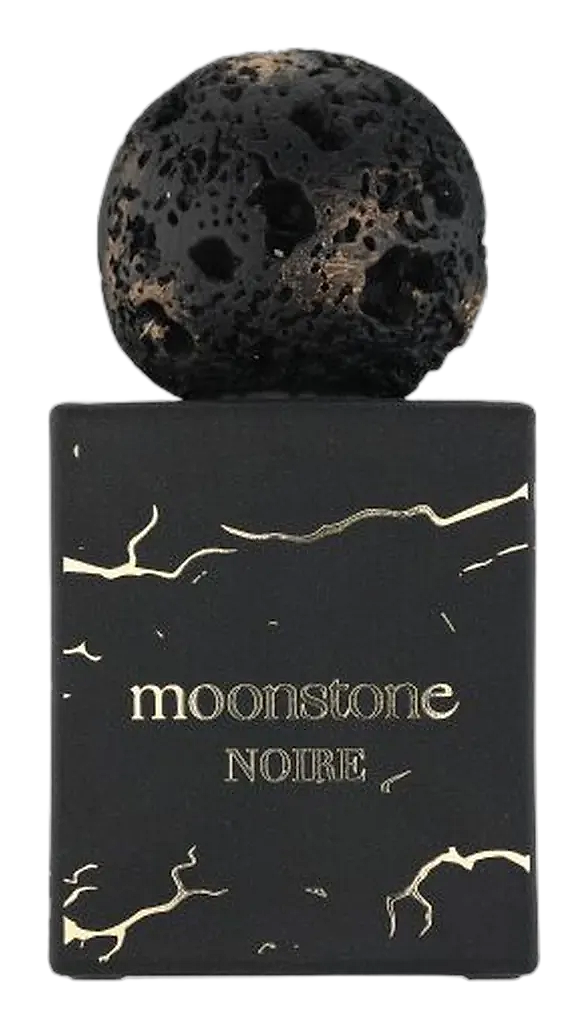
Brands
Brands known for Amber Notes
Good to know
Questions, answered
The essentials on Amber Notes in perfumery: how it smells, where it comes from, and how it behaves on skin.
What is amber in perfumery?
Amber is a constructed fragrance accord, not fossilized resin. Perfumers build it from labdanum, benzoin, vanilla, and similar sweet, resinous materials. The term emerged because the accord captures the warm, golden character associated with amber without using the actual gem material.
What is the difference between amber and ambergris?
Amber and ambergris are unrelated. Amber is a constructed accord; ambergris is a waxy substance excreted by sperm whales. Ambergris offers salty, marine, animalic depth, while amber provides warm, sweet, powdery embrace. No whales are harmed in ambergris collection.
What does amber smell like?
Amber registers as warm, sweet, and resinous with vanilla cream, honeyed undertones, and a soft powdery finish. The best ambers also carry an animalic warmth that adds sensuality and staying power to compositions.
Is amber natural or synthetic?
Amber is neither purely natural nor purely synthetic. It is a constructed accord that blends natural materials—labdanum resin, benzoin, vanilla—with modern synthetics like ambroxan. This hybrid approach ensures consistency, sustainability, and creative flexibility.
Why did the fragrance industry rename Oriental to Amber?
In June 2021, Michael Edwards updated the Fragrance Wheel to replace Oriental with Amber across all English-language classifications. The industry adopted the change for cultural sensitivity, though the new term also more accurately describes the warm, resinous sensory profile these fragrances share.
What notes pair well with amber?
Amber anchors warm, enveloping compositions. Sandalwood, patchouli, vetiver, and oud amplify its woody depth. Vanilla, tonka, and benzoin amplify sweetness. Incense, myrrh, and opoponax add resinous complexity. It softens spices and grounds florals in oriental and amber fragrance families.
What is the classic amber accord made of?
The foundational amber accord combines labdanum, benzoin, and vanilla in roughly equal parts, adjusted by perfumer preference. Some versions lean powdery and fresh; others emphasize sweet, enveloping warmth. Regional traditions—Egyptian, Tunisian, Arabian—shape how perfumers interpret the triad.
What is the difference between sweet amber and dry amber?
Sweet amber emphasizes vanilla and benzoin, producing a warm, honeyed, slightly gourmand character. Dry amber highlights labdanum and mineral-inflected synthetics like ambroxan, delivering resinous, smoky depth with less sweetness and more austere elegance.