
The Story
Why it exists.
The beginning
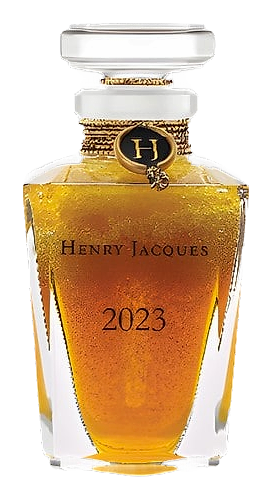
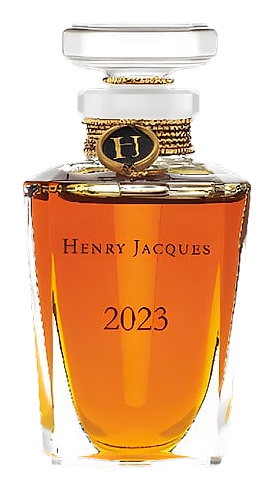
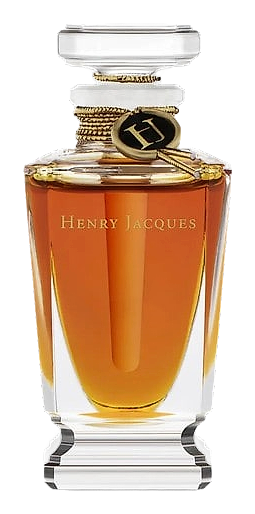
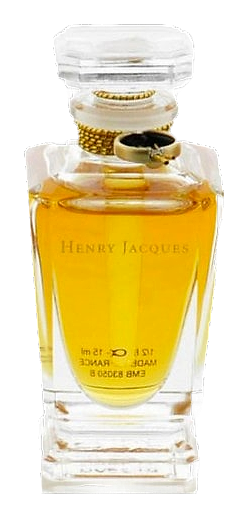
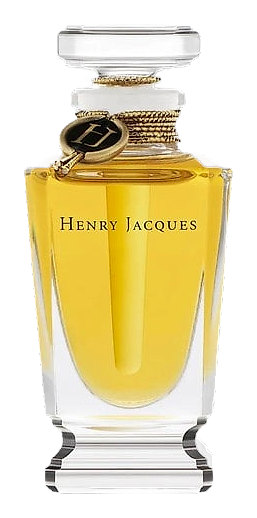
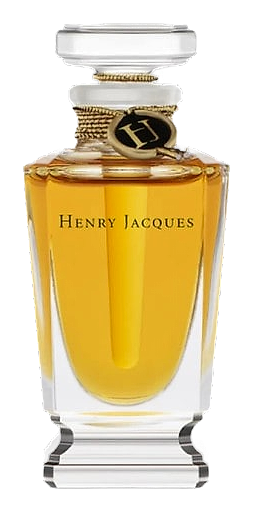
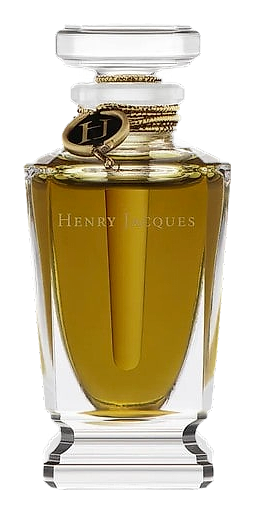
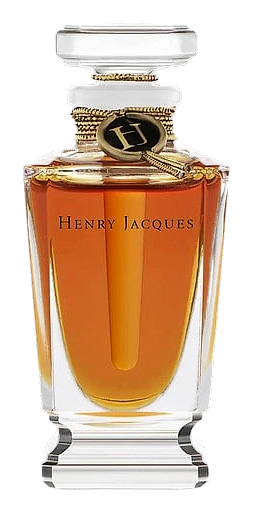
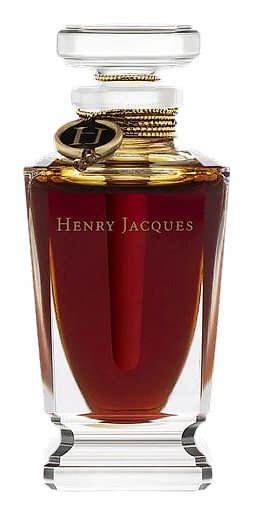
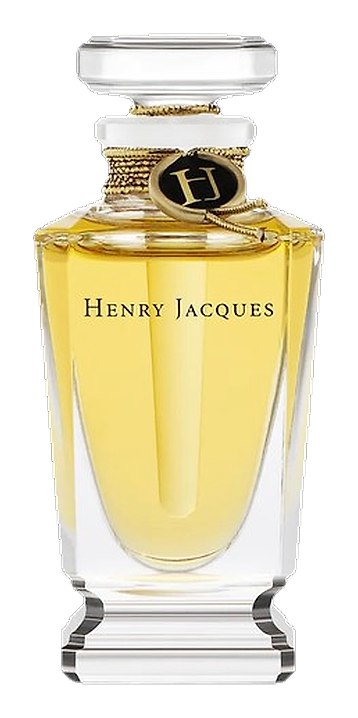
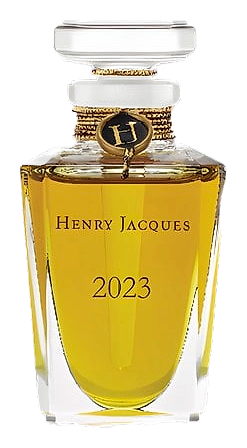
Rose Azur arrived in 2023 as part of Henry Jacques' Collection de l'Atelier. The name evokes an unlikely pairing, a rose and the open sky, and that tension tells you what to expect from the first wear. The sky is cold, distant, almost abstract, while the flower is warm, heavy with pollen and intention. The composition lives in the space between those two qualities, refusing to settle into either one. What results is a fragrance that reads as familiar in some lights and entirely strange in others, a rose reimagined through cooler air. There's a clarity to the opening that feels almost weightless, as though the bloom has been lifted out of the garden and placed somewhere with more room to breathe.
Rose Azur sits firmly inside Henry Jacques' sensibility for composed, unhurried perfumery. It's a May rose composition, and the HJ Rose de Mai absolute is clearly the engine of the whole thing, a rich, honeyed, almost jammy floral that anchors everything else. Rather than letting it bloom unopposed, the composition surrounds it with cedar, oud, and narcissus, ingredients that pull the rose in directions it doesn't usually travel. The cedar lends a dry, woody grain. The oud adds a darker, resinous undertone.
The evolution
The first ten minutes are surprisingly cool. Bergamot and orange lift the top, but there's a hyacinth greenness underneath that makes the whole thing feel like walking through a garden in early morning light, before the air warms up. Then the heart opens, and this is where Rose Azur stops being polite. May rose arrives, but it shares the stage with carnation, which gives it a clove-like warmth, and narcissus, which pushes it toward something more indolic, more alive, almost sun-warmed skin in texture. The cedarwood present in the heart is what makes this composition unusual. It's dry, almost pencil-shaving, and it sits beneath the rose like a wooden table beneath a carefully placed object, giving the floral something firm to rest on. The drydown is where the oud earns its place. It doesn't dominate.
Cultural impact
With only 500 bottles in production, Rose Azur exists as a limited object, deliberately scarce. The house's own framing, 'charismatic and unexpected,' points to a composition that resists the easy sweetness most rose fragrances trade in. The May rose at its centre is familiar enough to register immediately, but the surrounding notes of cedar, oud, narcissus, and tuberose push it somewhere stranger and more contemporary. It doesn't behave like a traditional soliflore. It behaves like a rose filtered through a modern, almost architectural sensibility, retaining the soul of the flower while refusing to be defined by it.