The Story
Why it exists.
The beginning
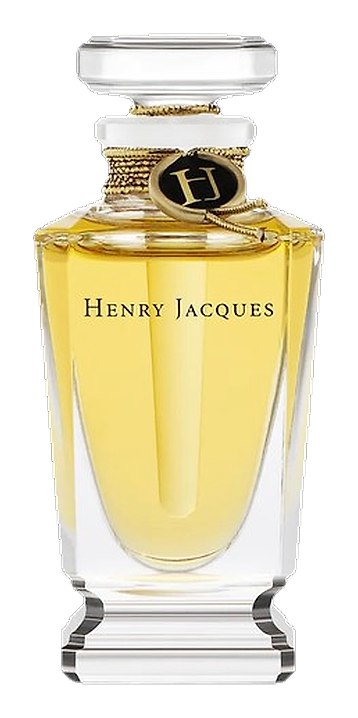
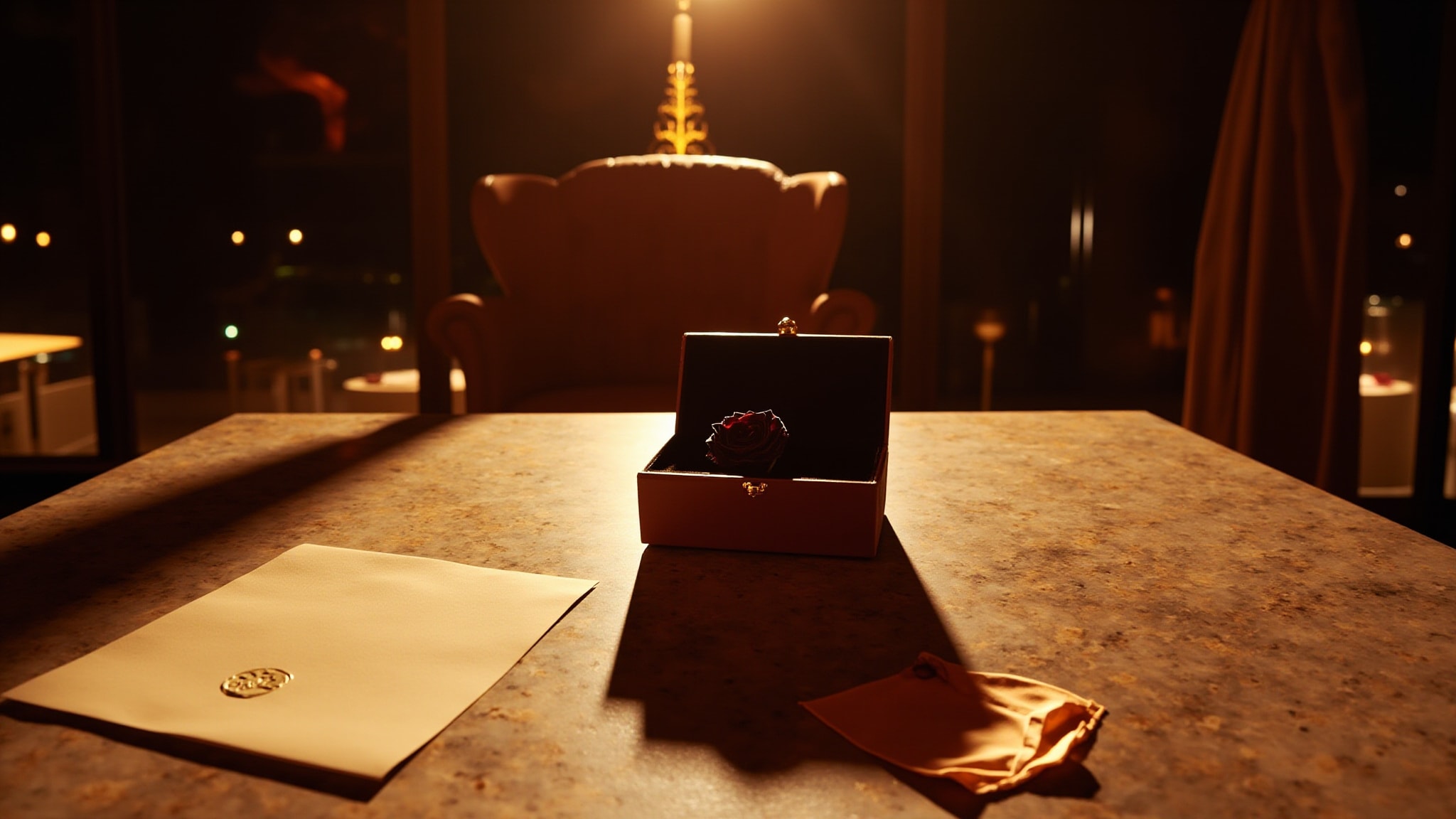
The name suggests a message between two people, something intimate, something that travels without an audience. Correspondance by Henry Jacques builds its composition around a dialogue between two roses: Damask rose in the opening, bright and almost sharp, meeting Rose de Mai in the heart, softer, fuller, the kind of rose that smells like it grew up in a garden rather than a laboratory. Between them sits iris, powdery and cooled, a buffer that keeps the florals from tipping into sweetness. The way the two roses meet in the mid-phase is where the composition earns its name, one leaning forward with clarity, the other leaning in with weight, and neither one overpowering the other.
What makes Correspondance interesting is the restraint in the oud. Tollemer threads it through ambergris and vanilla so it reads as warmth and shadow rather than as a featured note. The oud is present but never loud, never barnyard, never medicinal. It behaves more like an atmosphere than an ingredient, and that choice gives the whole composition a quieter center of gravity than you'd expect from a fragrance built on two roses and a base of resinous woods.
The evolution
The first spray is bright and cool. Damask rose and iris land first, and the iris gives the rose a powdery, almost metallic edge, like cold light through a window. There's a green quality from the hyacinth underneath, something that smells like a garden in the morning before the warmth sets in, the cool dew still on the leaves. Ten minutes in, the sharpness softens. Rose de Mai takes over from the Damask, rounder, fuller, and the apricot arrives, adding a ripe, almost skin-like warmth that shifts the whole composition from fresh to intimate. The patchouli stays buried, giving depth without announcing itself, a dark hum under the florals that you feel more than you smell. By the two-hour mark the oud has settled in, and this is where Correspondance becomes itself. The oud is not loud.
Cultural impact
Correspondance doesn't shout. It doesn't perform. Wearers tend to describe it as a scent for people who already know what they like, and the composition rewards exactly that kind of quiet confidence. The rose-oud-iris conversation at its center feels intentional rather than accidental, and the restraint in the base suggests a perfumer who trusted the materials to speak at a lower volume. In a market crowded with compositions chasing novelty, it sits comfortably in the lane of fragrances that assume their wearer doesn't need to be sold anything.