
The Story
Why it exists.
The beginning
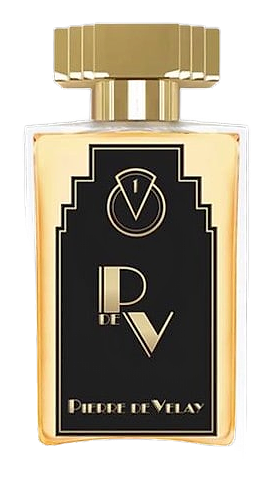
Pierre de Velay is ROJA London's answer to the question of where luxury fragrance begins. Roja Dove launched his Mayfair house with the belief that exceptional scent was everyone's birthright, then spent years building compositions worthy of that claim. No. 1 arrived as the first expression of the Pierre de Velay collection: a deliberate gateway into the ROJA universe. It distills the house's full vision into something you can wear daily, not by simplifying the formula but by concentrating it until only the essential remains.
The brief was deceptively simple: amber and oriental without the weight. Most fragrances in this category lean into density, resin upon resin, warmth compounding warmth. No. 1 refuses that logic. The accord sits close to skin but reads from across the room, an airy quality achieved not by stripping the composition down but by layering it with precision. Lighter materials are woven throughout the heavier ones, creating an effect that feels almost weightless without sacrificing depth.
The evolution
The opening is citrus-first, Calabrian bergamot, bright and sharp, cutting through whatever air you brought with you. Within minutes the florals take over: May rose, jasmine, orange blossom in quick succession, each one sweeter than the last, building toward something almost gourmand before the saffron arrives and redirects everything. That spice is the hinge. It pulls the composition from soft to serious in under twenty minutes. The base announces itself as a single gesture, leather, oud, cedar arriving together in a dense, warm accord that settles against the skin like a second layer. Vanilla and benzoin keep it sweet. Patchouli and labdanum keep it close. On fabric, this lasts well into the next day. On skin, expect eight to ten hours with a sillage that announces itself in the first two hours then retreats to something intimate for the rest.
Cultural impact
Pierre de Velay No. 1 participates in the broader cultural conversation about craftsmanship and authenticity in niche perfumery. The fragrance speaks to ongoing debates about what makes a perfume worth its price point and how exclusivity functions in a market saturated with options. Collectors respond to its construction, the way materials interact, the care visible in its architecture. There is a particular appeal in finding something before it becomes widely discussed, and No. 1 offers that possibility. It represents a certain standard of refinement that aligns with the brand's positioning, the kind of work that justifies attention.