
The Story
Why it exists.
The beginning
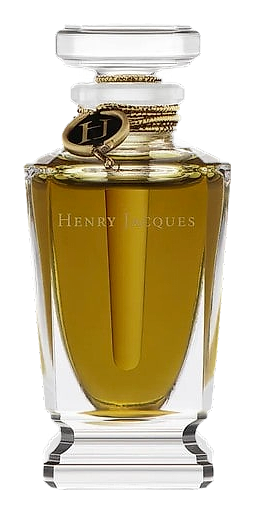
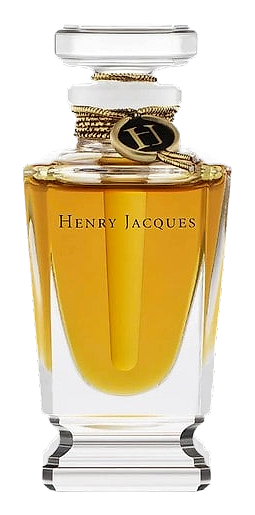
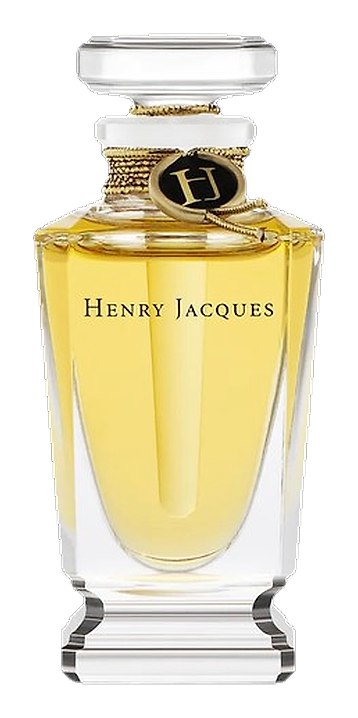
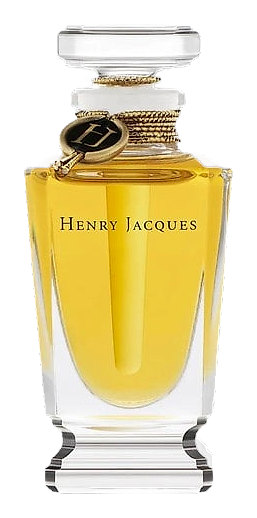
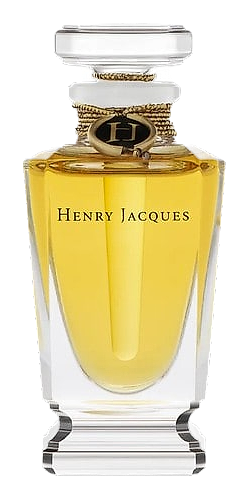
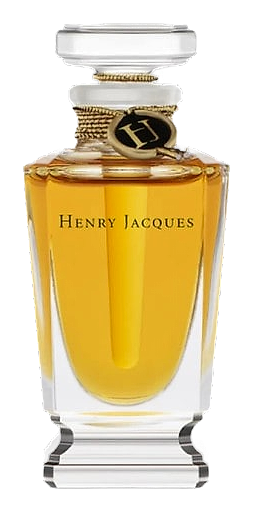
Cuba takes its name from the Cuban island, and everything about the composition leans into that reference. It's a portrait of warmth, sea air, and indulgence. Henry Jacques, the French maison, has built its catalog around limited, carefully curated selections, with each fragrance positioned as a small, precious object rather than a mass-market release. Cuba sits within Les Classiques de HJ, a collection the brand curates as a gathering of signature compositions. The house's style treats perfume as an intimate, wearable thing rather than a loud statement, and Cuba carries that ethos: a scent built for the person wearing it, not for performance. It is released as a pure perfume, presented at extrait concentration.
What makes Cuba worth the detour is the tension between its top and heart. Cuba splits the difference in how it handles tobacco, offering something neither overly smoky nor syrupy. Juniper berries give the opening a bracing sharpness, a cool bite that cuts through the warmth, while lavender cools the edges and adds a gentle herbal lift. Then the heart shifts registers entirely. Honey arrives not as a sticky sweetness but as a floral nectar, woven into tobacco leaves that smell sun-warmed rather than ashen.
The evolution
The first minutes feel like stepping into a garden after rain. Juniper leads, with lavender riding alongside, bright and cooling, almost bracing. There's a sharpness here that reads as confident rather than aggressive, the kind of opening that makes you check your wrist twice. The composition pivots soon after. The herbs recede and tobacco arrives, but not as smoke. It arrives as warm, dry leaves, sun-baked and golden rather than actively smoldering. Honey threads through, golden and slightly floral, and geranium adds a green blush that keeps the accord from feeling heavy. This is the phase people fall for. The heart settles into a warm, resinous state, never cloying, holding its shape with quiet authority. The drydown shifts register again, and this is where Cuba earns its keep. Vetiver and patchouli take over, earthy and slightly damp, with white musk keeping everything close to skin.
Cultural impact
Cuba wears like a private indulgence, a scent for someone who doesn't need validation from the room. It sits in a quiet, self-assured register, the kind of composition that rewards attention rather than demands it. The fragrance carries a sense of rarity simply by feeling personal, by reading more like an heirloom than a release. It exists for wearers who already know what they want from a perfume and don't need to be sold on anything.