
The Story
Why it exists.
The beginning
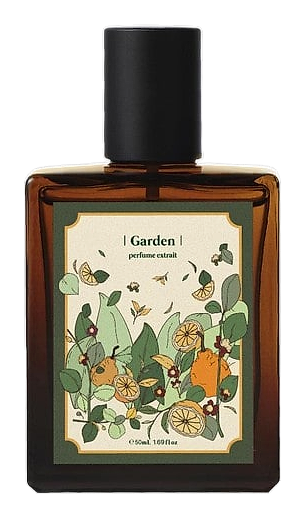
Garden joined the Hebron Project lineup in 2020, part of the South Korean house's growing collection of fragrances built around singular natural subjects. The brand treats each composition as a focused study, a tree, a flower, a resin, a garden, and that's exactly the framing here. Perfumer Chloe Cha built the composition around green tea, bergamot, and mandarin at the top, a floral and herbal heart of white rose, hyssop, and grass, and a base of herbal notes, green notes, and sandalwood. From the first spray, the green tea hits with a steeping warmth, almost like holding a cup between your palms, while bergamot slices through with a clean citrus brightness that keeps things lifted.
What makes the structure worth pausing on is how the notes are distributed. The greenery is spread deliberately across the pyramid, with green tea up top, grass and hyssop in the middle, and green notes anchoring the base alongside sandalwood. That layering creates a continuous botanical thread rather than a green moment that vanishes after the first hour. White rose arrives almost as a rumor, woven in so lightly it registers more as a softening than a statement.
The evolution
Green tea opens the composition with a tannic, slightly bitter warmth, the kind of sensation that recalls steeping leaves in hot water, all steam and plant matter. Bergamot cuts in alongside it, lifting the top with a clean citrus sharpness that keeps the green tea from reading too heavy. Mandarin rounds the edges, adding a softer sweetness that sits between the other two notes without competing. The opening feels bright, aqueous, and just tannic enough to have texture. The transition into the heart is gradual. White rose emerges as the green tea begins to settle, and it doesn't behave like a typical rose at all. It's sheer, almost translucent, reading more like the smell of rose petals lying in damp grass than the dense, jammy rose of many compositions.
Cultural impact
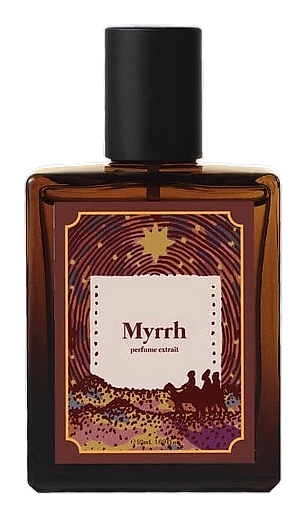
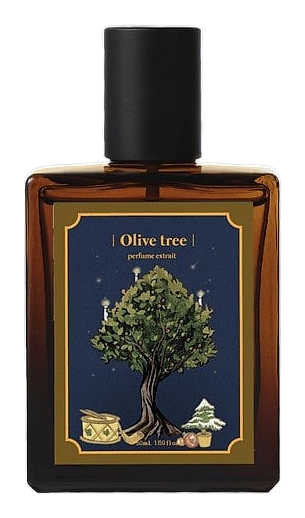
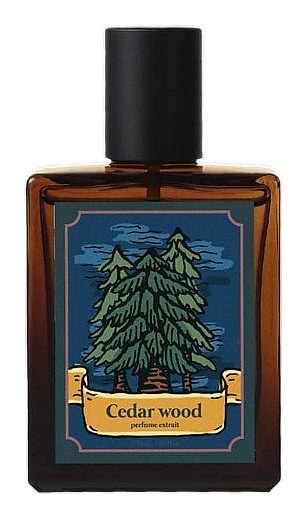
Garden joined the Hebron Project catalog in 2020, sitting alongside Cedarwood, Myrrh, and Olive Tree as part of the brand's early releases. The Hebron Project catalog is described as woody-based, which makes Garden's green-leaning structure a notable counterpoint within the lineup. The fragrance tends to resonate with wearers who gravitate toward green compositions and botanical themes, and it reads as an accessible entry point into the brand for those curious about the house's approach.
The House
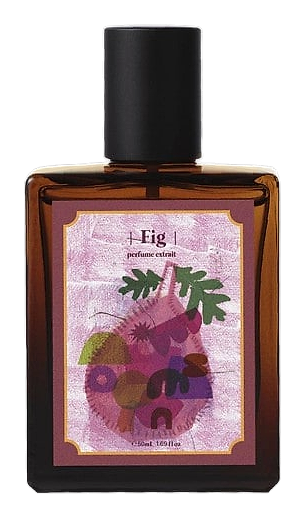
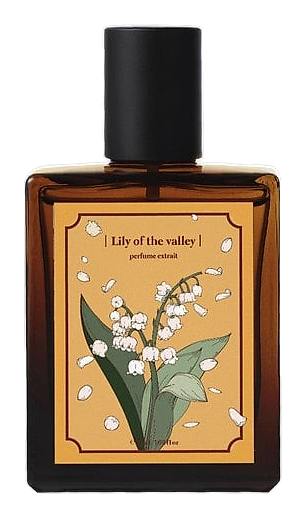
Hebron ProjectHebron Project is a niche fragrance house inspired by Middle Eastern landscapes and the raw materials native to the region. Its collection reads like an olfactory travelogue through the Levant, with compositions built around olive groves, cedar forests, fig orchards, and resinous traditions. The brand offers its scents in extrait concentration, the highest-grade fragrance ratio in modern perfumery, and groups them into curated discovery sets that invite wearers to explore its range thematically rather than by single-bottle purchase. With names like Myrrh, Lily of the Valley, and Incense, the line draws directly from biblical and botanical references rooted in the ancient city of Hebron.
The Creator
Chloe ChaHer hand is recognizable for its balance of softness and structure. Chloé Cha builds around clean, luminous florals, lifting them with crisp green or fruity openings that keep the composition from drifting into sweetness.