
    Home/Brands/Hebron Project

    Hebron Project

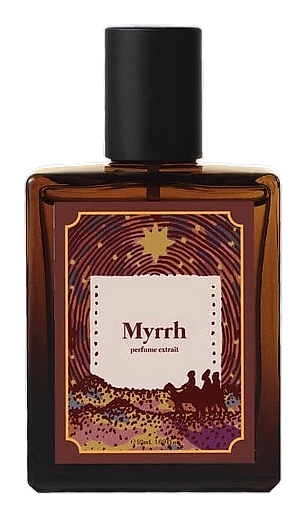
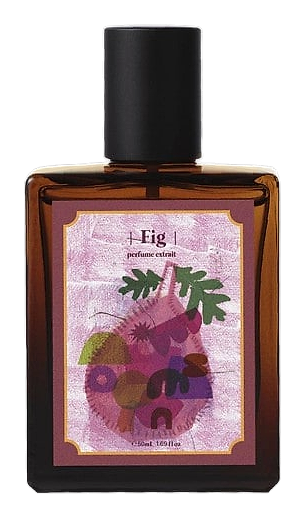
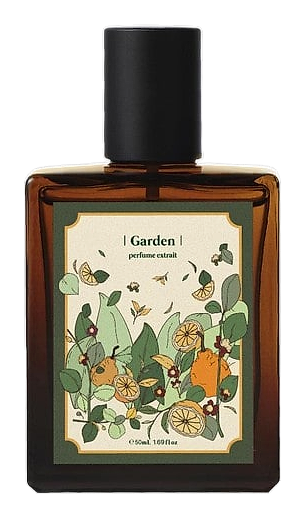
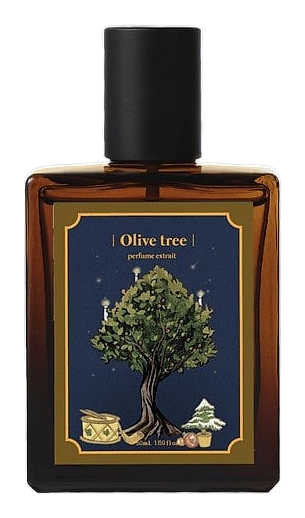
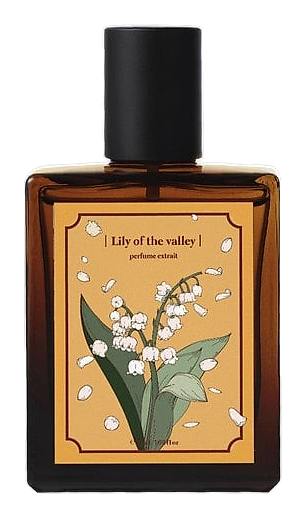
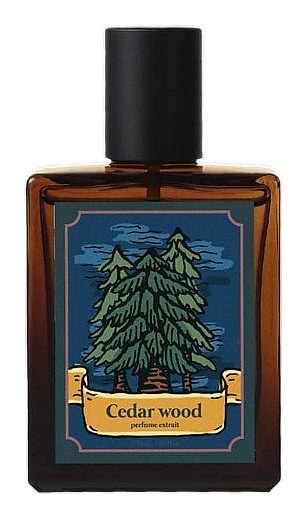
    Hebron Project is a niche fragrance house inspired by Middle Eastern landscapes and the raw materials native to the region. Its collection reads like an olfactory travelogue through the Levant, with compositions built around olive groves, cedar forests, fig orchards, and resinous traditions. The brand offers its scents in extrait concentration, the highest-grade fragrance ratio in modern perfumery, and groups them into curated discovery sets that invite wearers to explore its range thematically rather than by single-bottle purchase. With names like Myrrh, Lily of the Valley, and Incense, the line draws directly from biblical and botanical references rooted in the ancient city of Hebron.

    6
    Fragrances
    3.8
    Avg rating
    Shop the collection
    SignatureMyrrh
    Myrrh
    Community
    3.8
    Average rating
    across 6 fragrances
    Collection
    6
    Fragrances and counting

    All Hebron Project fragrances

    6 total

    6

    Heritage

    A house, in its own words

    The Hebron Project takes its name and conceptual anchor from Hebron, one of the oldest continuously inhabited cities in the world, located in the southern West Bank and venerated across Abrahamic traditions. The brand positions its work within this layered history, drawing on the botanical and aromatic heritage of the surrounding region rather than on a single founding date or industrial milestone. According to the brand's own materials, the creative origin traces to Chloe, an inquisitive perfumer driven by a desire to discover nature's essence, though independent biographical detail about this figure remains limited. What is verifiable is the regional lineage the house claims: a connection to Middle Eastern orientalism and the ancient trade in resins, woods, and florals that historically passed through the Levant. The city of Hebron itself has been associated with viticulture, olive cultivation, and glassmaking for centuries, trades that inform the raw material palette the brand draws upon. Rather than positioning itself within a specific perfumery dynasty, Hebron Project frames its heritage as geographical and botanical, rooted in a place where fragrance has carried ritual and cultural weight for millennia. This regional grounding, rather than a founder narrative, forms the backbone of the brand's identity. Hebron Project's creative philosophy centers on what the brand describes as Middle Eastern orientalism, though filtered through a contemporary, nature-forward lens. The aim, as articulated in the house's own descriptions, is to express the beauty and value of nature through scent, treating each fragrance as a meditation on a single elemental subject: a tree, a flower, a resin, a garden. The brand's founder is described as an inquisitive perfumer driven by curiosity about nature's essence, a framing that suggests the work is less about constructing abstract olfactory architecture and more about translating natural phenomena into wearable form. This single-note, almost botanical-illustration approach sets Hebron Project apart from houses that build around complex accords or narrative campaigns. Each scent in the lineup takes its name from a literal natural source, Olive Tree, Cedar Wood, Fig, Myrrh, Garden, Lily of the Valley, and Incense, implying a commitment to material clarity over conceptual layering. The house's interest in extrait concentration also signals a philosophical preference for potency and longevity, favoring compositions that linger and project rather than whisper.

    Ancient period
    The city of Hebron, the brand's namesake and conceptual anchor, is referenced in religious texts and has been a center of trade in olive oil, grapes, and glass for centuries.
    Pre-brand era
    Middle Eastern perfumery traditions involving myrrh, incense, and aromatic woods were refined and traded across the Mediterranean, forming the regional lineage Hebron Project later draws upon.
    Brand founding (reported)
    Hebron Project is established by a perfumer named Chloe, who sets the house's direction toward nature-inspired, single-subject compositions.
    Lineup development
    The house develops its core collection of seven fragrances, including Olive Tree, Cedar Wood, Fig, Myrrh, Garden, Lily of the Valley, and Incense.
    Extrait launch
    Hebron Project formalizes its use of extrait concentration, the highest fragrance oil ratio in modern perfumery.
    Discovery Set release
    The brand introduces a curated Discovery Set grouping its seven scents, positioning the lineup as a thematic collection rather than individual purchases.

    The noses

    Perfumers behind the house

    Did you know?

    Interesting facts

    01

    Hebron, the city that gives the brand its name, is one of the oldest continuously inhabited cities in the world and appears in the Hebrew Bible as a place of significant religious and commercial importance.

    02

    The brand works exclusively in extrait concentration (20 to 40 percent fragrance oil), a format that requires substantially more raw material per bottle than standard eau de parfum.

    03

    Myrrh and incense, two of the brand's named fragrances, were among the most traded aromatics in the ancient Levant and feature in biblical accounts of gift-giving and temple ritual.

    04

    The city of Hebron has a documented history of olive cultivation stretching back thousands of years, making 'Olive Tree' one of the most geographically literal fragrance names in modern perfumery.