
The Story
Why it exists.
The beginning
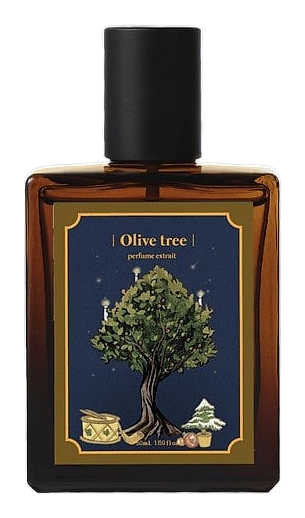
Hebron Project's Olive Tree takes its name literally. The brand treats each fragrance as a meditation on a single natural subject, and for this one the subject is the olive tree itself, a species that has anchored Mediterranean life for thousands of years. Perfumer Chloe Cha, credited as the nose behind the 2020 release, built the composition around that central image of the tree as a living presence. Everything in the bottle is meant to orbit that one idea, which is why the formula feels less like a construction and more like a clearing in the woods. The way the scent opens is patient: a green shimmer that takes a moment to settle before the leafy character asserts itself. There's a coolness to it right away, like shade.
What's interesting here is the restraint. Olive Tree takes a softer route than many green fragrances, reaching for aromatic lift and resinous structure without ever sharpening into anything aggressive. Basil provides an aromatic lift at the top, cypress lends resinous structure through the heart, grass and lily of the valley create a dewy middle, then sandalwood and an actual olive note anchor the drydown. It's a composition that trades volume for precision, and the result reads as herbal without slipping into sharpness.
The evolution
The first ten minutes belong to cypress and basil, green and slightly resinous, the way air smells when you brush past a hedge in dry heat. Blackcurrant hides underneath, giving the opening a faint fruit-skin sweetness that keeps it from going too austere. Within thirty minutes the green thins. Grass and lily of the valley take the wheel, bringing a wet, dewy quality that softens the herbal edges without losing them. This is the phase that feels most Mediterranean, the cool shade under a tree on a warm afternoon. By the two-hour mark the green has almost fully receded. Sandalwood and olive take over, and the scent settles into something warmer, slightly creamy, still vegetal but now with a dry wood backbone. The olive note is subtle, more suggestion than statement, but it's what makes the drydown feel like actual bark and leaf rather than a generic woody base. Six hours in, what's left is a faint sandalwood-olive hum close to the skin, the kind of trace that survives a workday and greets you when you catch your wrist the next morning.
Cultural impact
Olive Tree sits within a small but growing category of fragrances that treat green and vegetal compositions with care and specificity. Its appeal is niche and intentional, a scent for someone who reads a botanical name on a bottle and wants to know exactly what plant they're wearing. The extrait concentration places it among slow-wearing, contemplative fragrances, the kind of release that rewards attention rather than demanding it.
The House
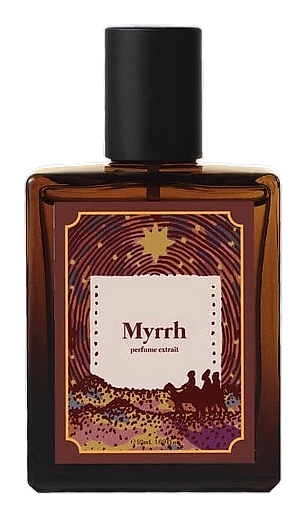
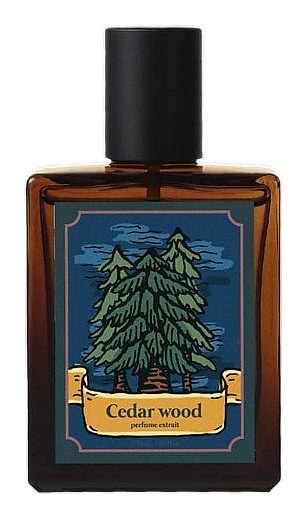
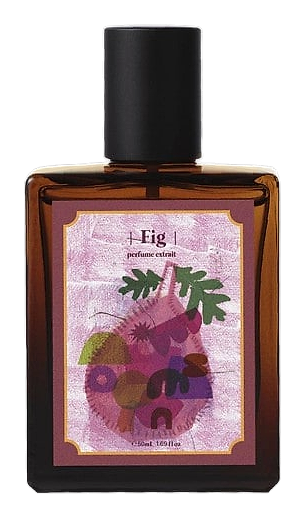
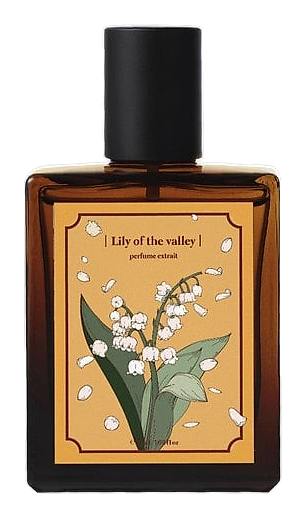
Hebron ProjectHebron Project is a niche fragrance house inspired by Middle Eastern landscapes and the raw materials native to the region. Its collection reads like an olfactory travelogue through the Levant, with compositions built around olive groves, cedar forests, fig orchards, and resinous traditions. The brand offers its scents in extrait concentration, the highest-grade fragrance ratio in modern perfumery, and groups them into curated discovery sets that invite wearers to explore its range thematically rather than by single-bottle purchase. With names like Myrrh, Lily of the Valley, and Incense, the line draws directly from biblical and botanical references rooted in the ancient city of Hebron.
The Creator
Chloe ChaHer hand is recognizable for its balance of softness and structure. Chloé Cha builds around clean, luminous florals, lifting them with crisp green or fruity openings that keep the composition from drifting into sweetness.