The Story
Why it exists.
The beginning
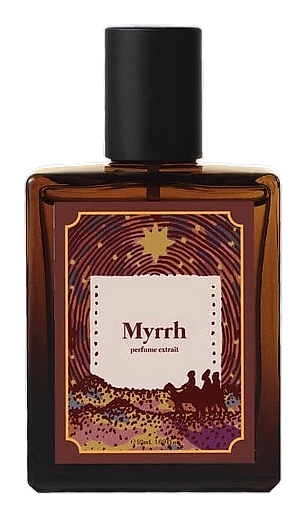
Myrrh sits at the heart of Hebron Project's catalog. Released in 2019, it takes its name from one of the oldest aromatic materials in human trade, a resin valued across centuries for its depth and its strange, almost medicinal sweetness. Perfumer Chloe Cha treats myrrh not as ornament but as destination. The whole composition moves toward it. What surrounds the resin is just the terrain the resin has to cross to reach your skin. Nothing in the structure competes for attention; every other note is composed to make the final approach clearer, quieter, more inevitable. The opening feels deliberately ordinary, green tea and bergamot behaving the way you'd expect them to, almost too simple.
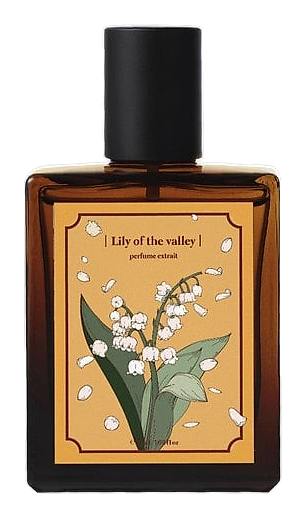
The tension here is structural. Green tea and bergamot at the top read almost clean, almost obvious, then the middle drags them somewhere stranger: tuberose laced with soil, a literal earth note that turns the prettiness of lily of the valley into something that smells turned, rooted, out of doors. Cha lets the white florals stand in full daylight first, then lets gravity do the work. The drydown rewards patience. Sandalwood and oakmoss give the myrrh a body to inhabit. You feel the resin because everything around it is still and clear.
The evolution
The opening belongs to the cold part. Bergamot does what bergamot does, a quick bright snap, and the green tea reads almost watery, almost silent. Then the florals start, and they don't drift in, they lean. Lily of the valley gives the earliest sweetness, but the tuberose is the loudest voice in the heart, dense and almost edible, until the soil note pulls the whole thing downward, and you suddenly smell cut stems and wet bark more than petals. The florals thin as the base assembles. Oakmoss arrives in dark green whispers. Sandalwood smooths the edges. Myrrh settles last, warm and resinous and a little bitter, a small column of sweetness that stays exactly where you sprayed it. It doesn't fade so much as refuse to leave. The progression feels deliberate, almost geological: bright surface, then root, then resin, then the quiet persistence of skin.
Cultural impact
Myrrh drew visible attention when it appeared visually in the Netflix drama The Glory, placed on a table inside a luxury boutique set. The placement put a small extrait on radar it wouldn't have reached through scent alone. For viewers who noticed the bottle, it offered a glimpse into a world of independent perfumery that operates far from department store counters. The fragrance itself rewards that kind of attention. Its treatment of myrrh is patient and direct, with the white florals allowed to stand in full daylight before the resin takes over, and the drydown built on sandalwood and oakmoss that give the myrrh a body to inhabit.
The House
Hebron ProjectHebron Project is a niche fragrance house inspired by Middle Eastern landscapes and the raw materials native to the region. Its collection reads like an olfactory travelogue through the Levant, with compositions built around olive groves, cedar forests, fig orchards, and resinous traditions. The brand offers its scents in extrait concentration, the highest-grade fragrance ratio in modern perfumery, and groups them into curated discovery sets that invite wearers to explore its range thematically rather than by single-bottle purchase. With names like Myrrh, Lily of the Valley, and Incense, the line draws directly from biblical and botanical references rooted in the ancient city of Hebron.
The Creator
Chloe ChaHer hand is recognizable for its balance of softness and structure. Chloé Cha builds around clean, luminous florals, lifting them with crisp green or fruity openings that keep the composition from drifting into sweetness.