
The Story
Why it exists.
The beginning
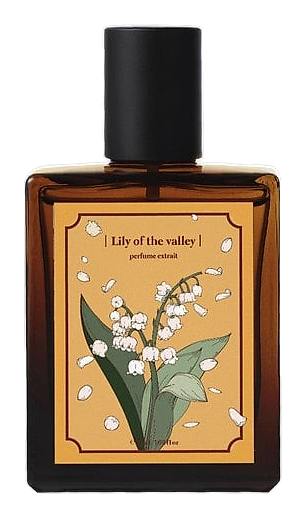
Hebron Project builds its compositions the way a botanist builds a field journal: one specimen at a time. Lily of the Valley, released in 2020 by perfumer Chloe Cha, takes the muguet flower as its subject and refuses to bury it under the usual white-floral scaffolding. The South Korean house takes each release on its own terms, refusing the temptation to pile on competing notes. Here that focus is a flower that blooms briefly in spring and carries an almost vegetable greenness beneath its sweetness. Cha's approach is restrained but deliberate. The lily opens with a cool, dewy brightness, as though the petals still carry the chill of an early morning.
Lily of the valley is one of perfumery's trickiest florals to render. The fresh bloom smells clean and slightly green, almost like cut stems and rain. The absolute is more indolic, sweeter, occasionally soapy if handled carelessly. Hebron Project's choice to pair it with white grapefruit rather than the conventional pear or green notes keeps the composition in sharper territory. The grapefruit's bitter pith quality echoes the flower's own vegetable edge, creating a conversation between two green characters instead of a single sweet one. Jasmine and rose add depth and warmth to the heart without tipping it into the powdery territory that lily of the valley so easily falls into.
The evolution
The first ten minutes belong to the grapefruit. It opens tart, almost sharp, with the bitterness of white pith and the cool tang of citrus zest. Bergamot softens the edges but the grapefruit holds the floor. This is not a polite citrus opening; it has a backbone. Around the fifteen-minute mark, the muguet arrives. Not as a wall, but as a slow unfurling, cool and green with a faint sweetness underneath, like stems snapped fresh from a garden. Jasmine threads in alongside, lending warmth and a slight animal edge that keeps the composition from feeling airless. Rose appears as a whisper, adding dimension without announcing itself. By the one-hour mark the florals are fully present, and the patchouli begins its quiet work underneath. It doesn't dominate; it shadows. The drydown, beginning around the three-hour mark, settles into cedarwood and amber with a skin-warm musk underneath. The lily of the valley persists longer than most florals in this category, ghosting through the base for hours.
Cultural impact
Lily of the Valley stakes its claim on a single flower and asks the wearer to slow down. The composition leans into the muguet's cool, dewy character at the top, where a faint citrus edge brightens the green facets without brightening them into something sharp. Rose and jasmine soon join, but they fold quietly into the lilys architecture rather than competing for attention. As the hours pass, the greenness recedes and the base takes over: patchouli adds a dry, earthen weight, cedarwood brings a clean vertical structure, amber warms the drydown with a low resinous glow, and musk keeps everything close to the skin.
The House
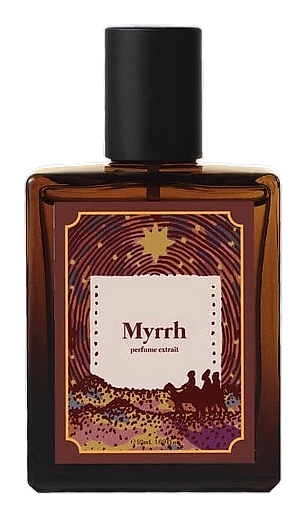
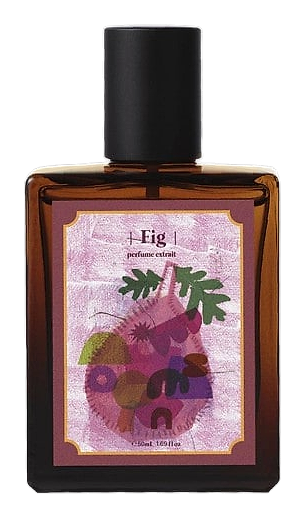
Hebron ProjectHebron Project is a niche fragrance house inspired by Middle Eastern landscapes and the raw materials native to the region. Its collection reads like an olfactory travelogue through the Levant, with compositions built around olive groves, cedar forests, fig orchards, and resinous traditions. The brand offers its scents in extrait concentration, the highest-grade fragrance ratio in modern perfumery, and groups them into curated discovery sets that invite wearers to explore its range thematically rather than by single-bottle purchase. With names like Myrrh, Lily of the Valley, and Incense, the line draws directly from biblical and botanical references rooted in the ancient city of Hebron.
The Creator
Chloe ChaHer hand is recognizable for its balance of softness and structure. Chloé Cha builds around clean, luminous florals, lifting them with crisp green or fruity openings that keep the composition from drifting into sweetness.