The Story
Why it exists.
The beginning
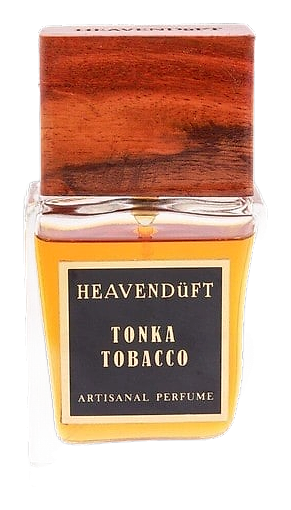
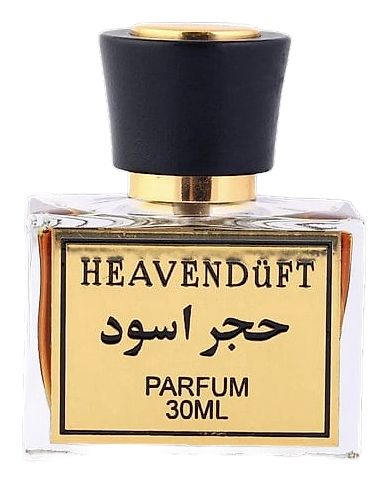
Hajr-e-Aswad takes its name from the sacred Black Stone, an object of deep religious significance. The fragrance is Tausif Shaikh's attempt to translate that object into scent. Not a clean architectural rendering. Something darker, stranger, more felt than seen. Shaikh, the solo perfumer behind India-based HeavenDuft, built this as an oriental-woody composition launched in 2022. The inspiration isn't photogenic. The stone is ancient, kissed by millions of pilgrims, darkened by time and touch. The fragrance follows that idea: layers accumulated, not arranged. Wood stacked on resin, animal notes underneath, florals barely surviving on top.
The note pyramid is wide, almost excessive by mainstream standards. Three different oud types: Indian, Assamese, Cambodian. Civet alongside white ambergris. Frankincense, myrrh, benzoin, elemi, labdanum, Peru balsam, guaiac wood, sandalwood, patchouli. It's a resin pile with oud running through it like rebar. What makes Hajr-e-Aswad interesting isn't any single material. It's the density. Most oriental-woody fragrances narrow to a few hero notes. This one holds its full inventory from top to base, with civet and oud doing the structural work underneath the florals. Indian damask rose and jasmine sambac appear at the top and heart, but they're threading through density, not floating above it.
The evolution
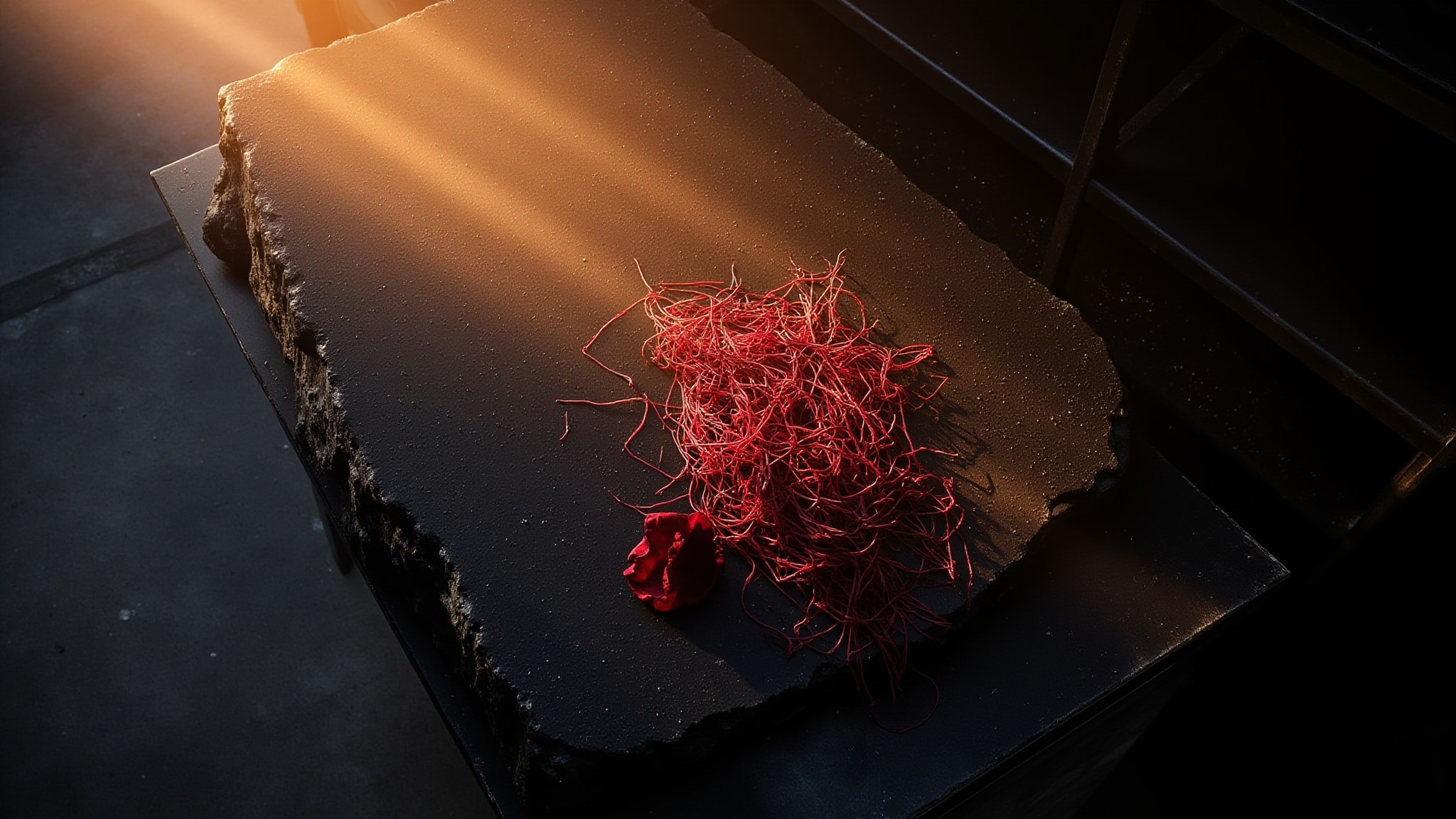
The opening belongs to saffron, bergamot, and an assertive Indian damask rose. The rose here doesn't smell like a rose garden. It smells like rose attar: thick, jammy, slightly fermented, sitting on top of the saffron's leathery heat. Bergamot adds a brief citrus lift that vanishes quickly. Cardamom and cypriol move in as the composition settles into skin. The heart deepens: neroli and ylang-ylang push the rose toward something almost tropical, while jasmine sambac adds indolic weight. Cypriol brings an earthy, rooty quality that grounds the florals before they can float away. The fragrance shifts from floral-spicy to something more leathery and root-driven. The base is where Hajr-e-Aswad lives. Civet makes itself known: warm, animalic, slightly fecal in that classic civet way.
Cultural impact
Hajr-e-Aswad draws its name and concept from the Black Stone, an object of profound significance in Islamic tradition. The fragrance channels the gravity of that stone through its use of three distinct oud varieties (Indian, Assam, Cambodian) and a dense resin structure built on labdanum, myrrh, benzoin, and frankincense. These materials carry their own weight in perfumery history, each one associated with ancient ritual use, temple incense, and the heavy, layered compositions of the Eastern tradition. The choice of three ouds from different geographic origins reflects an attention to material variation that runs deep in Indian perfumery.