The Story
Why it exists.
The beginning
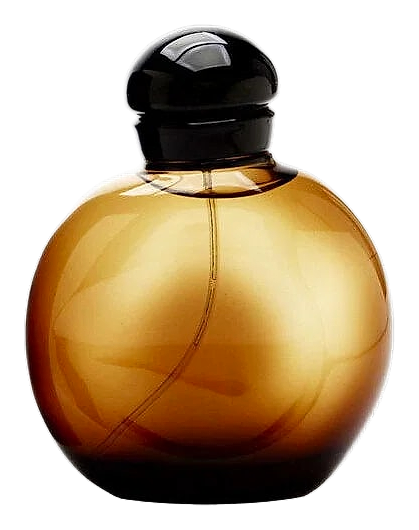
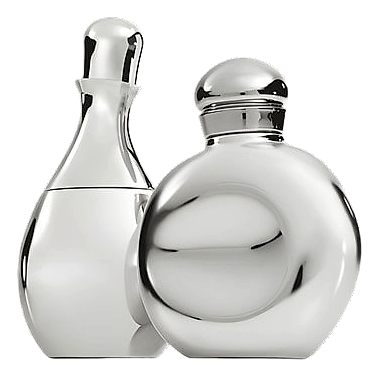
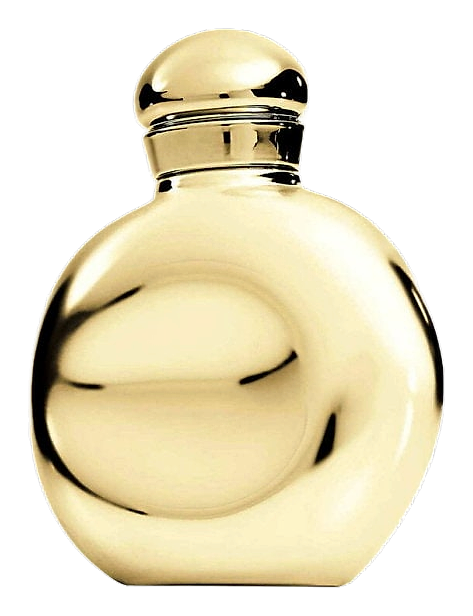
Halston Man Amber arrived in 2010, by which point the brand had moved far from its early mythology. The perfume is a companion piece to the original Halston Man, a warmer, smokier offering for someone who wanted something resinous without the pretense of vintage oud. The name told you what to expect. Amber, spice, depth. The composition delivered exactly that, an Oriental built around myrrh and labdanum rather than rose and saffron. It was discontinued, which is either a tragedy or a gift depending on how you collect.
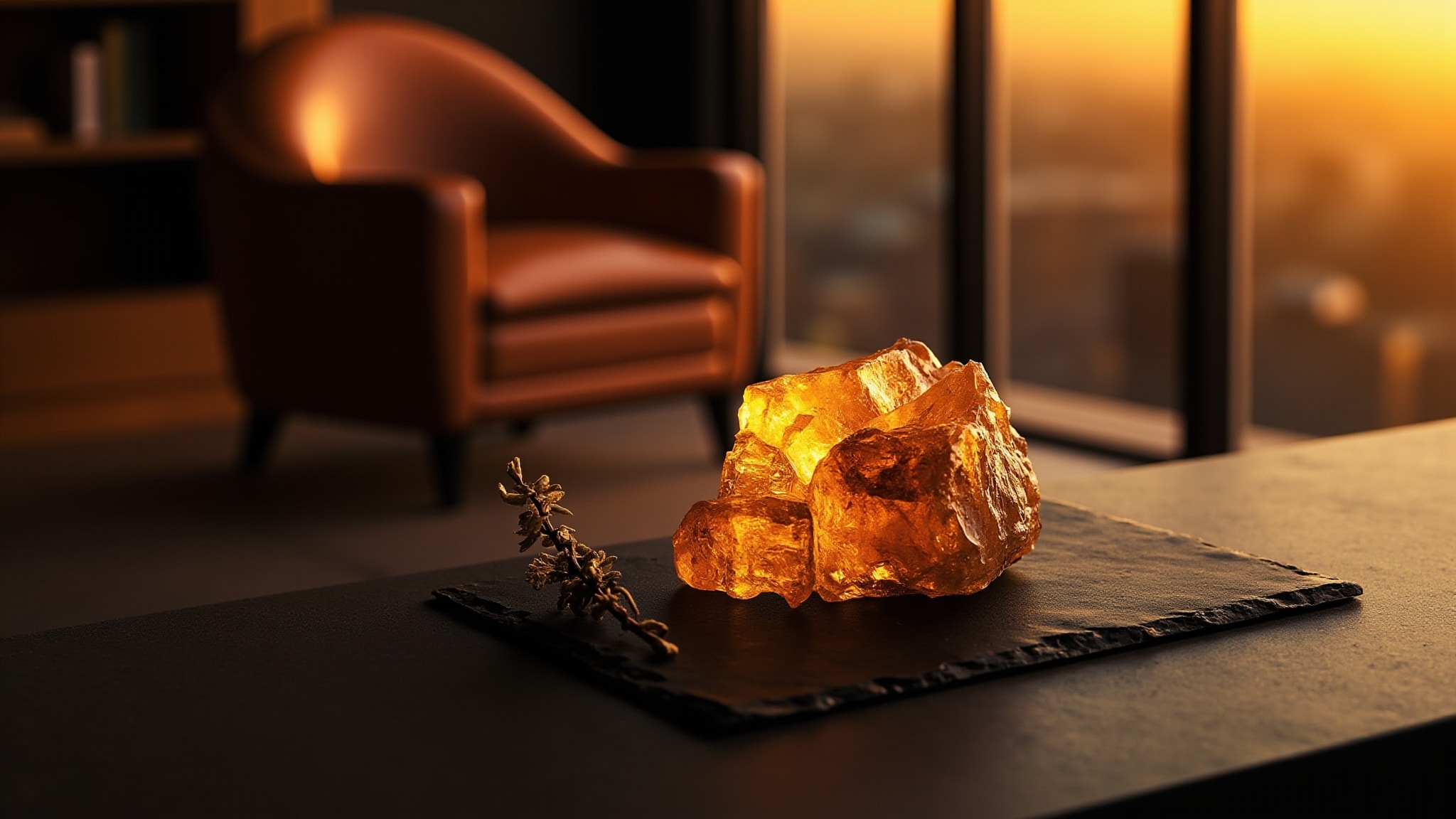
What makes the composition worth examining is the way it balances a herbal, almost medicinal opening with a resinous heart. Geranium and thyme up top give it a green-tinged sharpness that you don't find in most oud-driven ambers, which tend to open with citrus or saffron. Then the heart drops you straight into a resinous knot of amber, myrrh, and labdanum, three materials that share a sticky, church-incense quality but each pull in a different direction. Labdanum is sweet and balsamic. Myrrh is bitter and dry. Amber is the binding agent, warm and slightly animal.
The evolution
The first thirty minutes are sharper than you'd expect. Geranium and thyme do the work, and there's a green, almost medicinal edge that might catch you off guard if you came looking for sweetness. Bergamot softens it but doesn't erase it. Around the forty-minute mark, the amber triad takes over, and the fragrance settles into its real personality: dense, resinous, slightly smoky. The myrrh carries more weight here than the labdanum, giving the heart a dry, contemplative quality rather than a syrupy one. By the two-hour mark, the oud shows up, not as a dramatic reveal but as a gradual deepening at the base. It doesn't dominate. It sits underneath, allied with cedarwood and musk, and the whole composition becomes quieter, more unified. The base notes stay detectable through the evening and into the morning, with the cedar and musk still present on fabric the next day.
Cultural impact
Man Amber sits in an interesting niche: an Oriental that has been discontinued, which gives it the quiet appeal of something that won't be on shelves much longer. One reviewer picks up on its kinship with Middle Eastern compositions, particularly in the way myrrh and oud dominate the drydown, but the herbal, almost medicinal opening keeps it from feeling derivative. It's the kind of fragrance that rewards people who already know what they want from oud and aren't chasing trends.