The Story
Why it exists.
The beginning
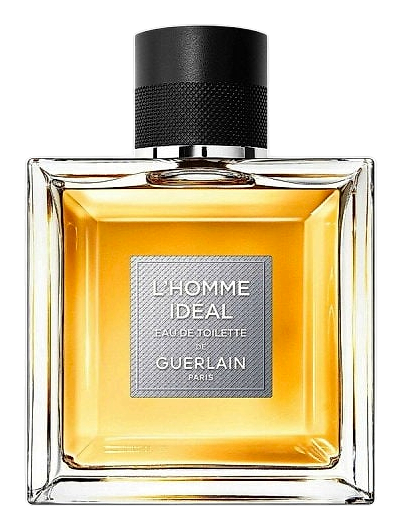
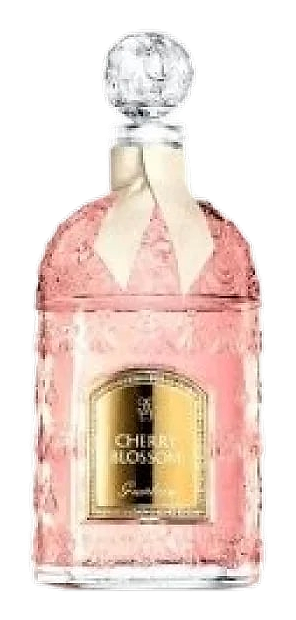
In 1999, Jean-Paul Guerlain set out to bottle one of nature's shortest performances: the cherry blossom in full bloom, gone in a week. Released as part of the Les Parisiennes collection, this eau de toilette translates a natural moment through Guerlain's signature approach to perfumery. The composition is built around the bloom itself, capturing what the flower smells like at peak, when the petals are almost weightless and the air around them carries a faint sweetness. Cherry blossoms don't last. The fragrance holds that particular window open, suspending it just past the moment nature would have closed it for good. It's a study in restraint, in how little a perfumer needs to say when every ingredient pulls its weight and nothing lingers past its welcome.
What's interesting here is what made it into the bottle and how each material behaves. Green tea, cherry blossom, lilac, jasmine, and a whisper of white musk form a pyramid that stays thin on purpose. By keeping the materials translucent, Jean-Paul created something that reads almost like a watercolor on skin. Floral, yes, but with the crispness of tea pulling through the center and a quiet soapy lift from the florals that keeps everything from collapsing into sweetness. The white musk at the base does just enough work to hold the composition together without grounding it in anything heavy.
The evolution
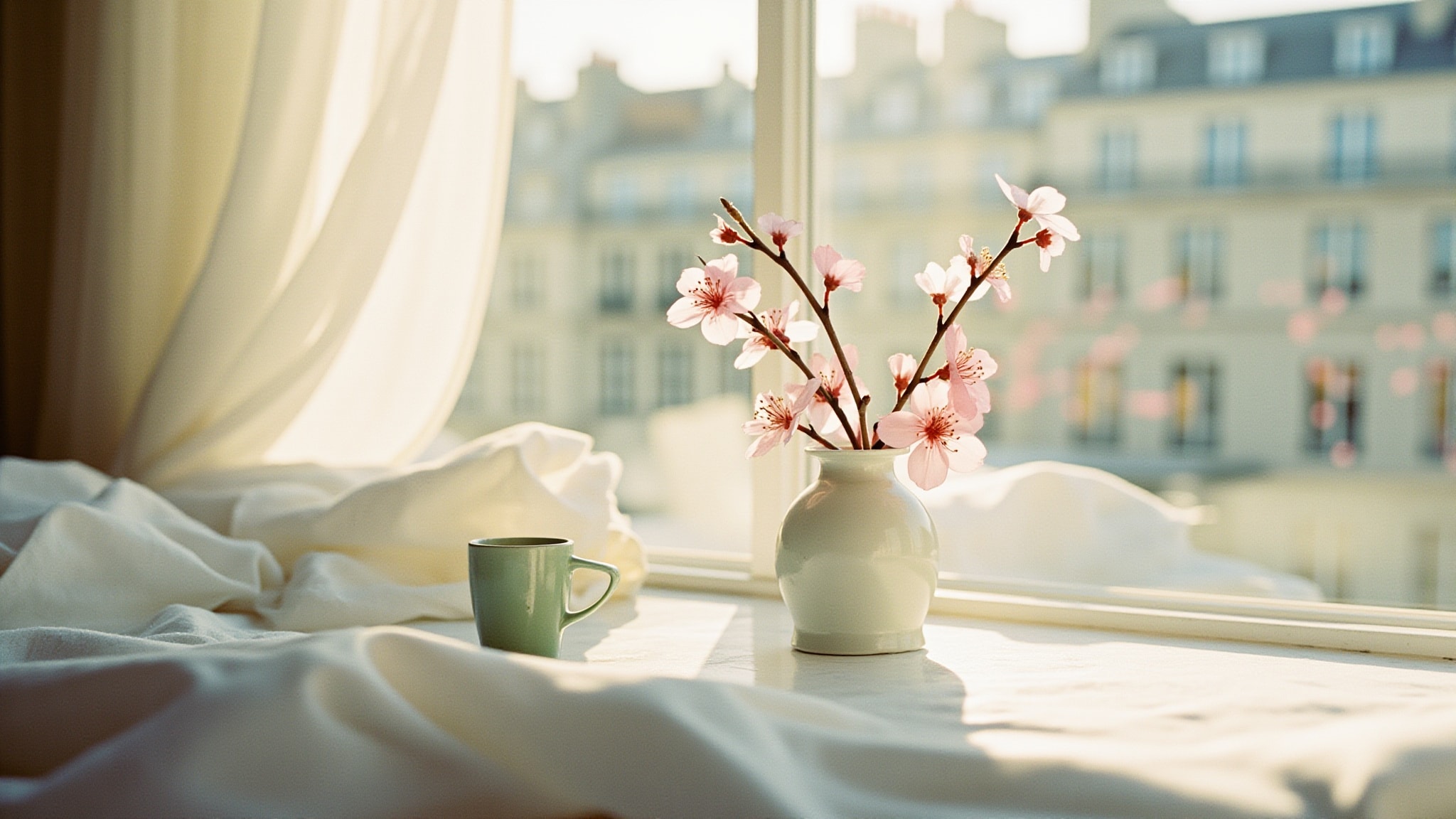
The first ten minutes belong to green tea and bergamot. Steeped, slightly tannic, almost unsweetened, the way a cup cools on a windowsill while you forget to drink it. Then the blossoms arrive. Cherry blossom and lilac open together, soft and soapy in the best sense, like clean laundry dried outside. Jasmine threads underneath, adding the faintest warmth. By the two-hour mark the whole thing has gone powdery. Not grandma's powder. Fresh linen powder. The white musk takes over and holds the composition steady through the later hours, keeping the scent close and contained rather than letting it broadcast. Don't expect a trail. Expect a whisper that stays yours, quiet enough that only you know it's there.
Cultural impact
Cherry Blossom Edition 1999 sits within the Les Parisiennes line, a collection that leans feminine, airy, and built for daily wear. The cherry blossom theme gave the house a chance to work with a note that's softer and more ephemeral than the roses, jasmines, and tuberose that traditionally anchor French perfumery. Jean-Paul composed it as a floral character study, using green tea and bergamot to give the bloom a crisp opening before the petals take over. The result wears close to skin and reads more like a mood than a statement, which fits the collection's broader register of compositions meant for proximity rather than projection.
The House
GuerlainGuerlain stands as one of the oldest and most revered perfume houses in the world, founded in Paris in 1828 by Pierre-François-Pascal Guerlain. What began as a boutique on rue de Rivoli quickly became the preferred destination for Parisian society, attracting dandies and elegant women who sought custom-crafted fragrances. The house's influence grew to such heights that Guerlain earned the title of Official Perfumer to Napoleon III after presenting Eau de Cologne Impériale to Empress Eugénie as a wedding gift in 1853. This royal patronage marked the beginning of Guerlain's enduring association with European aristocracy, as the house went on to create fragrances for Queen Victoria and Queen Isabella II of Spain. Today, under the creative direction of Thierry Wasser, the fifth-generation perfumer, Guerlain continues to shape the landscape of fine fragrance with a portfolio spanning over 1,100 olfactory creations. The house remains headquartered at its legendary Champs-Élysées mansion, a historic monument that anchors Guerlain's position at the intersection of heritage and contemporary luxury.
The Creator
Jean-Paul GuerlainJean-Paul Guerlain's style resists easy categorization, though richness and depth define nearly every composition. He favored opulent oriental structures, warm woods and resins, and florals treated with almost sculptural precision.