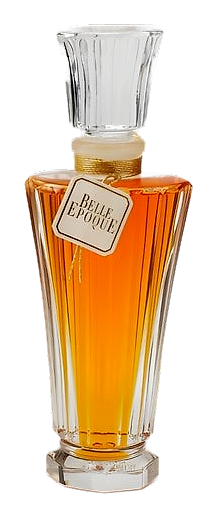

The Story
Why it exists.
The beginning
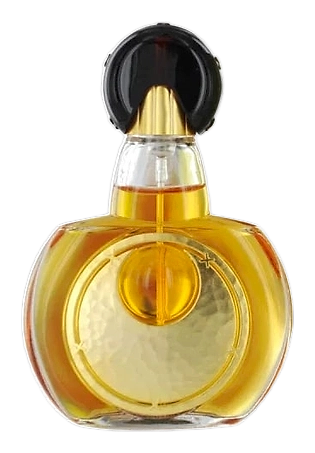
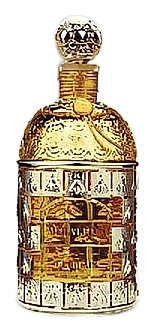
Jean-Paul Guerlain created Belle Epoque for Harrods' 150th anniversary in 1999. The name itself tells you what Guerlain was reaching for, the Belle Epoque, that golden age of European culture and confidence at the turn of the twentieth century. Harrods' milestone made it a natural fit: a Parisian house known for elegance, invited to mark a British institution's longevity. The limited-edition status wasn't marketing. It was the actual fact. The collaboration between this historic French perfume house and the prestigious London retailer brought together two institutions celebrated for their commitment to timeless sophistication.
What makes this composition interesting is the apricot. Apricot changes the temperature. It's sweeter, almost edible, honeyed before any honey appears. Combined with jasmine and orange, the top becomes a fruity-floral that reads warmer than typical Guerlain. The heart is where the house signature lives: tuberose and ylang-ylang together create a buttery, almost coconut warmth that borders on tropical. The base is classic Guerlain architecture, sandalwood, vanilla, tonka bean, musk, vetiver, a warm powder accord that extends wear well beyond the initial spray.
The evolution
The opening hits bright and fruity, the apricot is the star, sweet and luminous, with jasmine and orange threading through it. At first this reads as something clean and pretty, a gentle introduction that prepares the way. Then the white florals begin to take over. The tuberose arrives slowly, bringing warmth with it, buttery and insistent. The ylang-ylang follows, adding tropical depth. By the time the composition has shifted, the initial brightness has given way to something richer and more enveloping. The drydown is where Guerlain's craftsmanship shows: sandalwood and vanilla emerge as the florals quiet, tonka bean adds a soft sweetness, musk keeps everything close to the skin. The vetiver appears at the edges, earthy, grounding, preventing the warmth from becoming overwhelming. This phase lasts for hours, a slow fade that maintains presence without ever becoming intrusive.
Cultural impact
Belle Epoque has become something of a collector's item, a fragrance people seek out years after its discontinuation. The Harrods exclusive status gave it an air of occasion from the start, and the 1999 release date places it within a particular moment of perfume history. Wearers describe it as substantial without being aggressive, rich without being heavy, a fragrance that arrives already comfortable in the room. It's the kind of scent someone wears when they don't need to announce themselves, a quiet confidence that speaks softly but unmistakably.
The House
GuerlainGuerlain stands as one of the oldest and most revered perfume houses in the world, founded in Paris in 1828 by Pierre-François-Pascal Guerlain. What began as a boutique on rue de Rivoli quickly became the preferred destination for Parisian society, attracting dandies and elegant women who sought custom-crafted fragrances. The house's influence grew to such heights that Guerlain earned the title of Official Perfumer to Napoleon III after presenting Eau de Cologne Impériale to Empress Eugénie as a wedding gift in 1853. This royal patronage marked the beginning of Guerlain's enduring association with European aristocracy, as the house went on to create fragrances for Queen Victoria and Queen Isabella II of Spain. Today, under the creative direction of Thierry Wasser, the fifth-generation perfumer, Guerlain continues to shape the landscape of fine fragrance with a portfolio spanning over 1,100 olfactory creations. The house remains headquartered at its legendary Champs-Élysées mansion, a historic monument that anchors Guerlain's position at the intersection of heritage and contemporary luxury.
The Creator
Jean-Paul GuerlainJean-Paul Guerlain's style resists easy categorization, though richness and depth define nearly every composition. He favored opulent oriental structures, warm woods and resins, and florals treated with almost sculptural precision.