
The Story
Why it exists.
The beginning
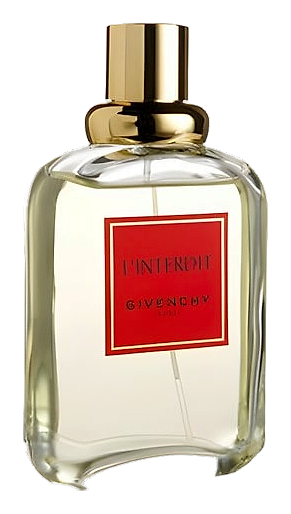
The name came first. In 1957, Hubert de Givenchy designed a fragrance for his friend and muse Audrey Hepburn. When he suggested releasing it to the public, she replied with playful outrage: 'Mais, je vous l'interdis…', But I forbid it! He released it anyway, and called it L'Interdit. The Forbidden. In 2003, Givenchy brought it back, reformulated as a Parfum concentration, taking the couture courage of the original and translating it into something that could live on skin decades later. Same spirit. More presence.
The 2003 Parfum gives the 1957 concept room to breathe. Bulgarian rose anchors the entire composition, not as a single note but as a philosophy. Around it: peach for sweetness that never cloys, honeysuckle for warmth that arrives slowly, violet leaf for the cool edge that keeps everything from sliding into softness. The white floral heart (tuberose, orange blossom) isn't shy. It's the point. This is a fragrance that commits to femininity without apology, powdery, fruity, floral, close to the skin in a way that feels like the scent was always there.
The evolution
The opening hits bright and almost sharp, violet leaf and honeysuckle arriving before the rose fully establishes itself. Within minutes, Bulgarian rose takes over. The peach doesn't disappear, it sweetens the rose from underneath, making it rounder, more tactile. The heart introduces tuberose and heliotrope: the composition gets creamier, powderier, warmer. This is where the fragrance becomes L'Interdit, not the sharp opening, not the base, but this middle ground where fruit and white florals overlap. The drydown arrives quietly. Sandalwood, cedar, and a whisper of oakmoss settle close to the skin. Musk keeps it warm. Patchouli keeps it from disappearing. The powder note, heliotrope doing its quiet work, lingers on fabric long after the rose has faded. Eight hours, if you're lucky. Longer on a scarf.
Cultural impact
L'Interdit 2003 arrived in an era when fruity-floral dominated women's fragrance, and it delivered that style with more conviction than most. The powdery drydown became its identifying character: the thing wearers remember most, and the thing newcomers notice first. It's been worn continuously since launch, which is its own kind of cultural statement.