The Story
Why it exists.
The beginning
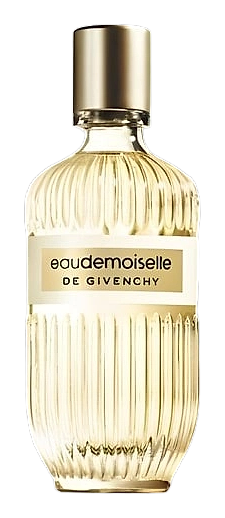
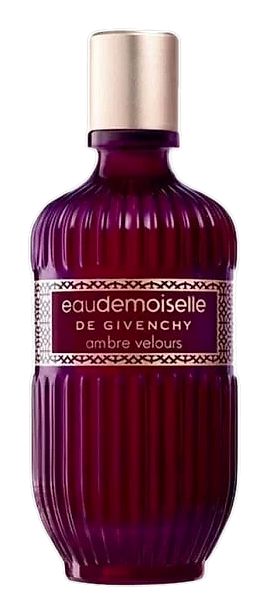
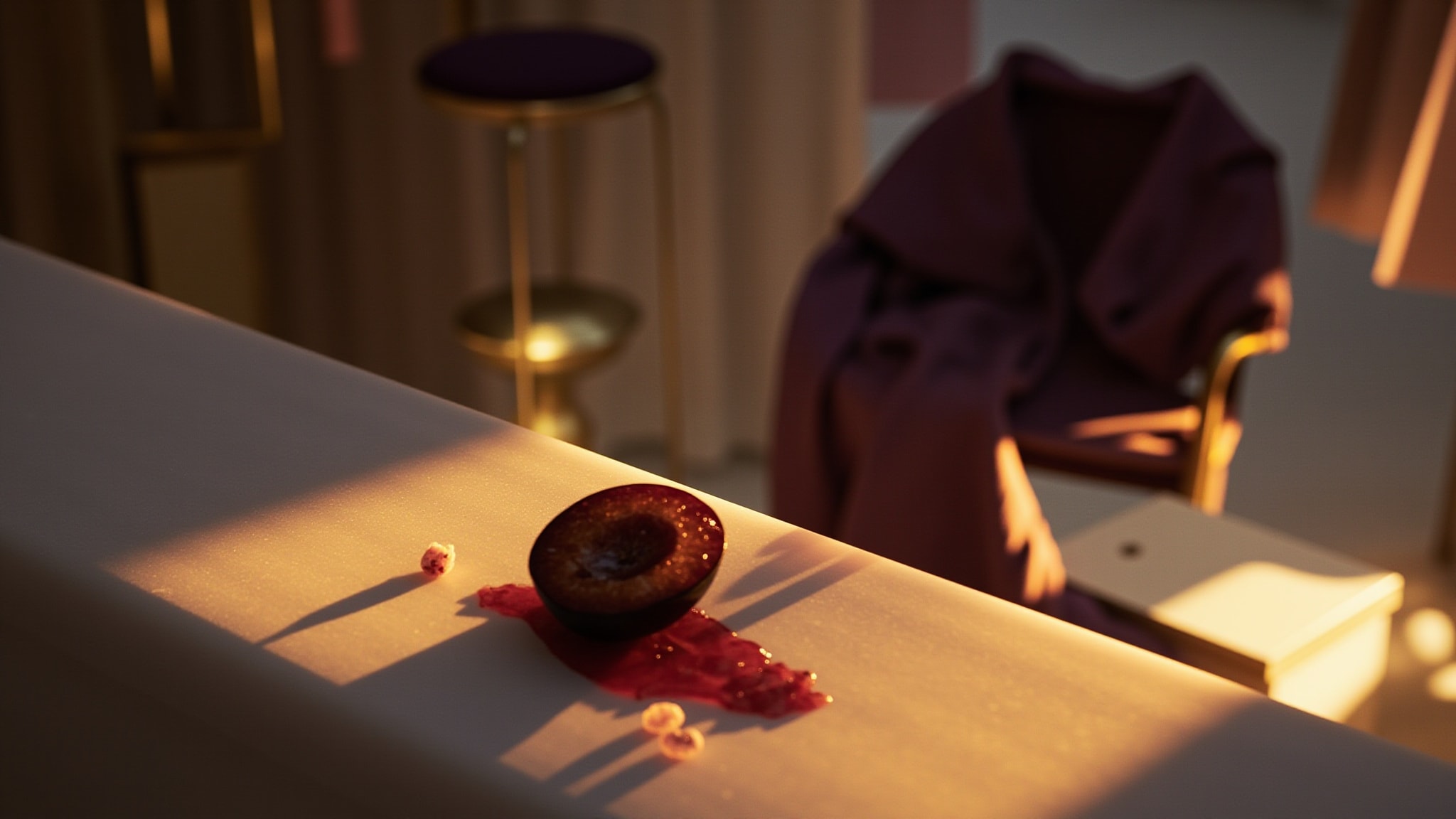
Eaudemoiselle de Givenchy Ambre Velours arrived in 2013 as an oriental-floral built around a single mood: the warm, resin-soaked intimacy of evening. The composition pushes plum and pink pepper into territory that feels less like a fresh floral and more like a candlelit alcove. Rose absolute grounds the heart alongside patchouli and cedarwood, while tolu balsam, benzoin, opoponax, and tonka bean turn the base into something dense and almost edible. Givenchy's instinct here was contrast, the kind that earns its sweetness slowly. The plum note has a bruised, stewed quality from the first spray, and the pink pepper arrives as a dry shimmer rather than a sharp spark, settling quickly into the fruit.
The composition earns its weight from the resinous materials in the base. Tolu balsam brings its cinnamon-vanilla warmth, benzoin adds a sticky benzoin-amber sweetness, and opoponax contributes a darker, almost medicinal resin edge. Tonka bean softens the whole arrangement with its almond-vanilla cushion. Together with the plum note in the opening, they create a composition that reads like confection at first and like incense the longer it sits. The tolu balsam is the warmest and most food-adjacent of the three resins, behaving almost like a spiced syrup poured over the rest of the base.
The evolution
The first thirty minutes are a slow pour of plum and pink pepper, fruity and warm with just enough bite to keep it from reading like jam. Rose arrives next, not as a delicate petal but as a thicker, jammy rose absolute, draped over patchouli and cedarwood that keep it grounded. The plum note dominates early but never fully surrenders the spotlight; it resurfaces throughout the wear, especially in the first hour, lending a dark fruit shadow to everything that follows. The pink pepper is fleeting, present just long enough to keep the opening from feeling too heavy. By the two-hour mark the top has dissolved and the base takes over: tolu balsam and benzoin build a resinous wall, opoponax pushes it darker, and tonka bean smooths every edge. The patchouli deepens through this stage too, turning from a supporting note into something closer to a backbone. The drydown is where this one lives.
Cultural impact
Released in 2013, Eaudemoiselle de Givenchy Ambre Velours occupies a specific niche within the broader landscape of oriental-floral fragrances launched that decade. At least one reviewer characterized it as an oriental rose-amber blend with strong balsamic qualities, noting the plum as a prominent, polarizing element. The composition leans closer to incense than to mainstream sweetness, a choice that sets it apart from many of its contemporaries in the plum-and-balsam category. Its combination of jammy rose, dark fruit, and a resin-heavy base marks it as a fragrance more interested in shadow than in brightness.