The Story
Why it exists.
The beginning
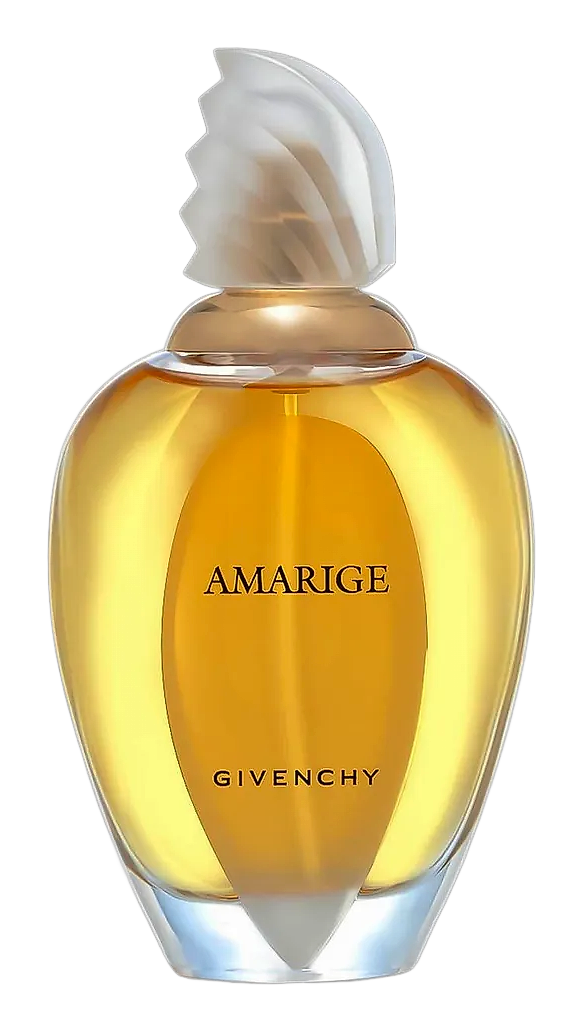
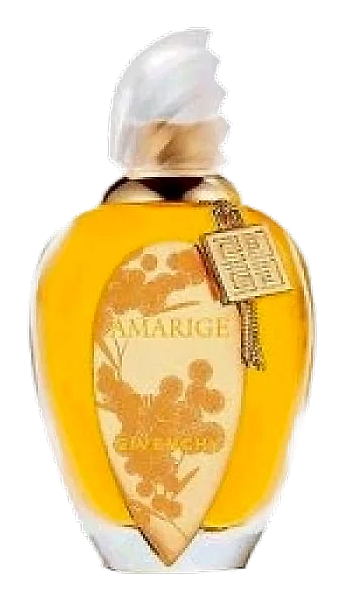
Amarige Mimosa de Grasse Millésime arrived in 2005 as a limited harvest release from Givenchy, built around mimosa and named for the Provençal town whose name has become shorthand for fine fragrance in France. The Millésime line treated specific ingredients as the headline act rather than blending them into anonymity, each release putting one raw material at the center of the Amarige universe instead of letting it share the stage. This one gave mimosa its own bottle, its own date, its own moment. The fragrance carries that intention through the composition itself, with a base of cashmere wood, tonka, and vanilla keeping the whole thing warm enough to wear through the season rather than just admire it on a paper test strip.
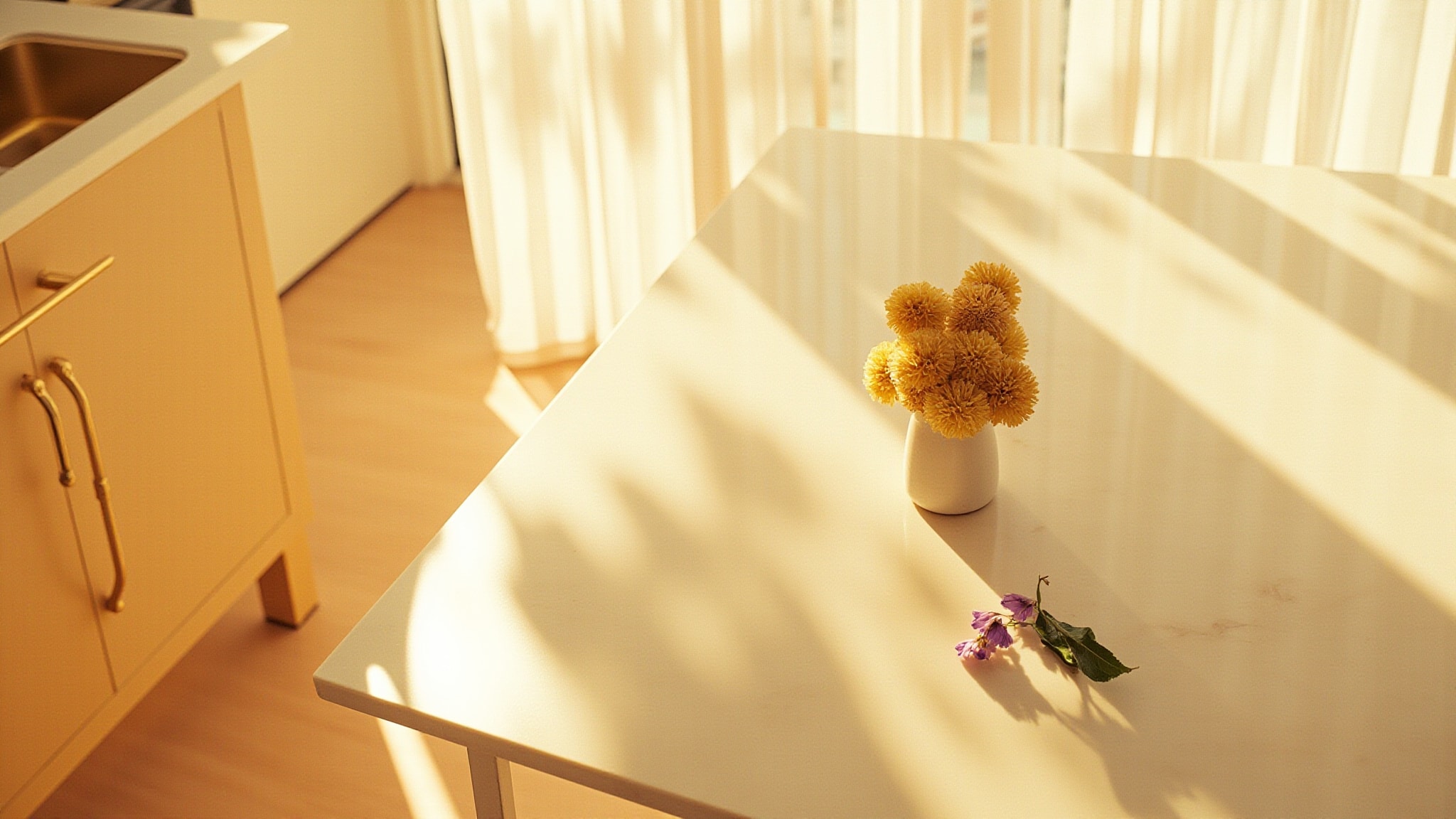
What makes mimosa such a compelling lead ingredient is its peculiar character in the bottle, where it reads as almond-sweet, faintly honeyed, and almost pollen-dusted in the way it sits on the skin. Givenchy surrounds it with peach, plum, and gardenia, and those supporting players do a lot of quiet work to give the mimosa room to breathe. The result is a fragrance that reads as floral but never powdery, sweet but never cloying, golden but never heavy.
The evolution
The opening is almost bitter, the violet leaf and neroli pushing forward with a green, slightly metallic edge that catches you off guard if you expected pure honey from a mimosa fragrance. The cool bitterness of violet leaf cuts against the warmth of what is coming, and the neroli adds a sharp, clean brightness that reads almost citrus-bright before settling into something more floral. The green sharpness softens quickly as mimosa arrives and the composition pivots toward warmth. Gardenia and plum swell up from underneath, and the scent takes on a sun-warmed quality, golden rather than white, rich rather than crisp. Peach gives it a fuzzy roundness that keeps the florals from feeling sharp or soapy, almost like biting into soft fruit at the peak of ripeness.
Cultural impact
Mimosa has a particular place in French fragrance culture, tied to the south of France and to the flower that blooms there in late winter, when the bushes turn yellow across the hillsides and the air carries that distinctive sweet, almost honeyed scent. This composition captures that feeling through the bottle, translating the landscape into something wearable without ever tipping into costume or cliché. It reads as floral without being girlish, sweet without being juvenile, a composition that respects its lead ingredient rather than hiding it behind louder notes or drowning it in sugar.