The Story
Why it exists.
The beginning
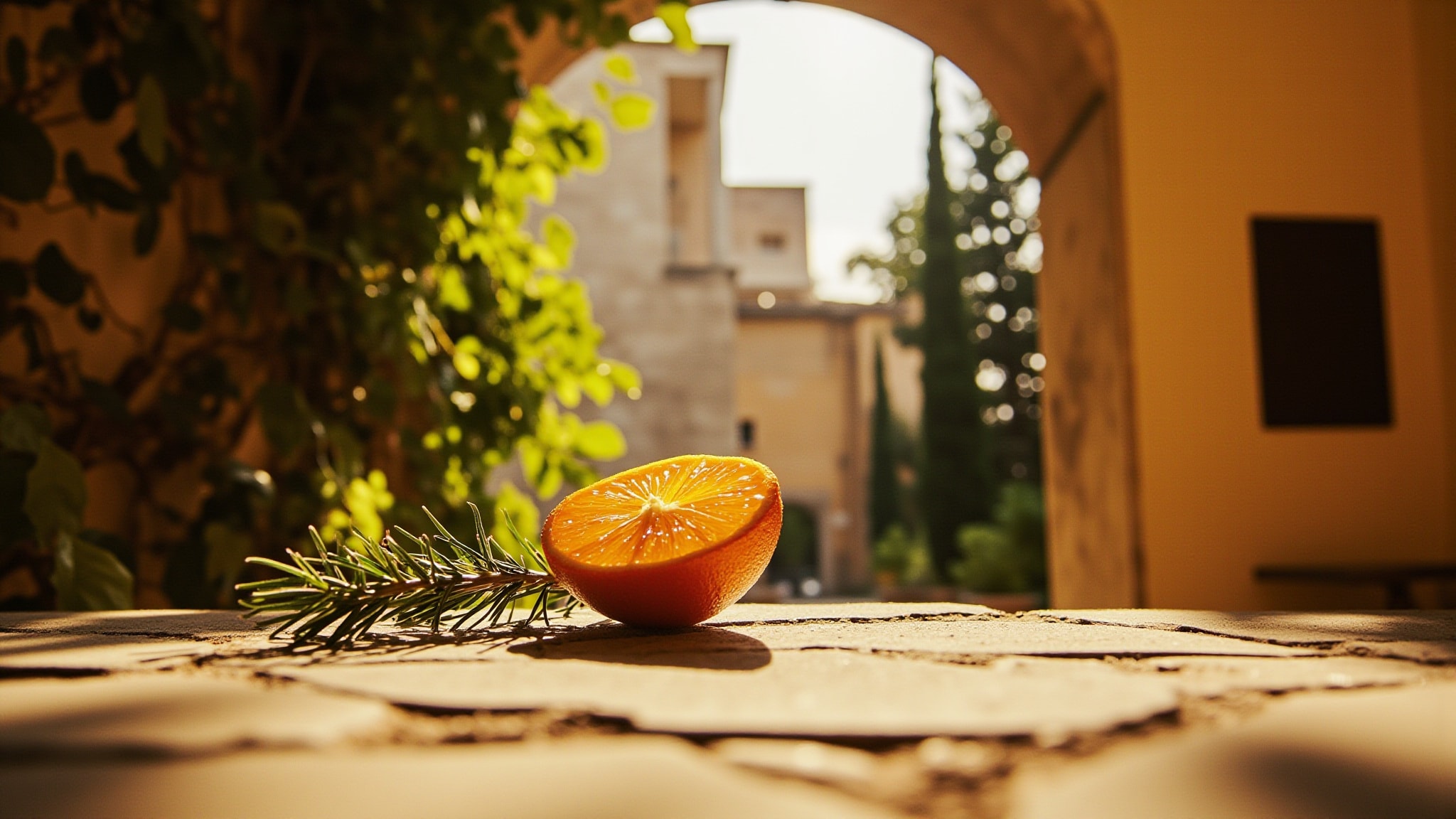
Oranger Alhambra arrives from the Armani Privé collection, a line dedicated to the brand's most personal compositions. Released in 2008, it captures the idea of a place rather than bottling one. The fragrance opens with the cool shadow under bitter orange leaves, threads of rosemary edging a walkway, and the damp stone beneath your feet. There's a stillness to it, a quiet suggestion of somewhere warm and lived-in, where citrus trees catch the late afternoon light and the air carries herb and earth in equal measure. The composition doesn't shout its inspiration. It lets the wearer finish the picture.
Bitter orange, lemon, bergamot, and petitgrain form a tight, almost crystalline chord at the top. Petitgrain, distilled from the leaves and twigs of the bitter orange tree rather than its fruit, adds a green, twiggy bitterness that grounds the fruit before it can fly away. The citrus foursome reads as one bright unit rather than four competing voices, each note lending the others a different facet. The heart layers rosemary with marjoram, herbs that share a similar aromatic vocabulary and rarely share a fragrance.
The evolution
The first minutes are sharp, almost confrontational. Bitter orange and lemon cut through whatever you put them against. Bergamot softens the edges within minutes, and petitgrain drags the opening toward green. Soon the cologne character settles into something steadier. Rosemary arrives with a clean, camphoraceous clarity, and marjoram folds underneath it, adding a softer herbal sweetness that rounds out the herbal pairing. Jasmine barely registers as a floral note. Here it reads more like a warm breeze between the herbs, a suggestion rather than a statement, almost a breath of indolic warmth rather than a bouquet. The transition into base is gradual. Moss takes over from the citrus as the hours pass, and patchouli surfaces underneath it, dry and earthy rather than sweet. The final hours belong to this mossy patchouli close.
Cultural impact
Oranger Alhambra sits within the Armani Privé collection alongside compositions that interpret precious materials and storied places. Within that world it occupies a brighter, greener corner, offering a sunlit counterpoint to more opaque or resinous entries in the line. Wearers tend to describe it in distinctly physical terms: a stone wall warmed by afternoon sun, the walk home after dinner, the air that settles over a garden once the heat breaks. The rosemary-moss tension gives the fragrance a backbone that pure citrus rarely manages, keeping it grounded as the fruit notes fade.