The Story
Why it exists.
The beginning
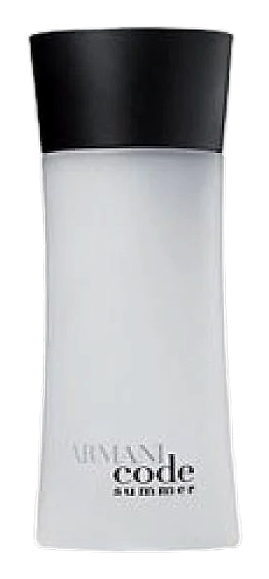
Code Summer pour Homme arrived in 2009, a release that took the recognizable vocabulary of the Armani house and ran it through a colder, more mineral lens. Where many warmer-weather men's fragrances lean bright and uncomplicated, this one pulls in a different direction, holding a quieter temperature and a more restrained energy from the first spray. The composition opens with citrus and neroli doing the heavy lifting up top, bringing a clean, slightly bitter brightness that feels pulled taut rather than generous. Underneath, tarragon and cedar move into place, giving the structure a savory green thread and a dry woody spine that keeps the whole thing from drifting into simple aquatic territory.
What makes Code Summer structurally interesting is the tarragon choice. Tarragon brings something different from the usual herbal bridges: a faint anise snap, almost vegetal, that gives the heart an unexpected savory edge. Paired with olive blossom, the composition stays grounded in something soft and creamy rather than sharp or synthetic. It is a subtle distinction, but it is the kind of detail that rewards a second wear, when you start to notice the way the herbal thread keeps tugging against the woody base.
The evolution
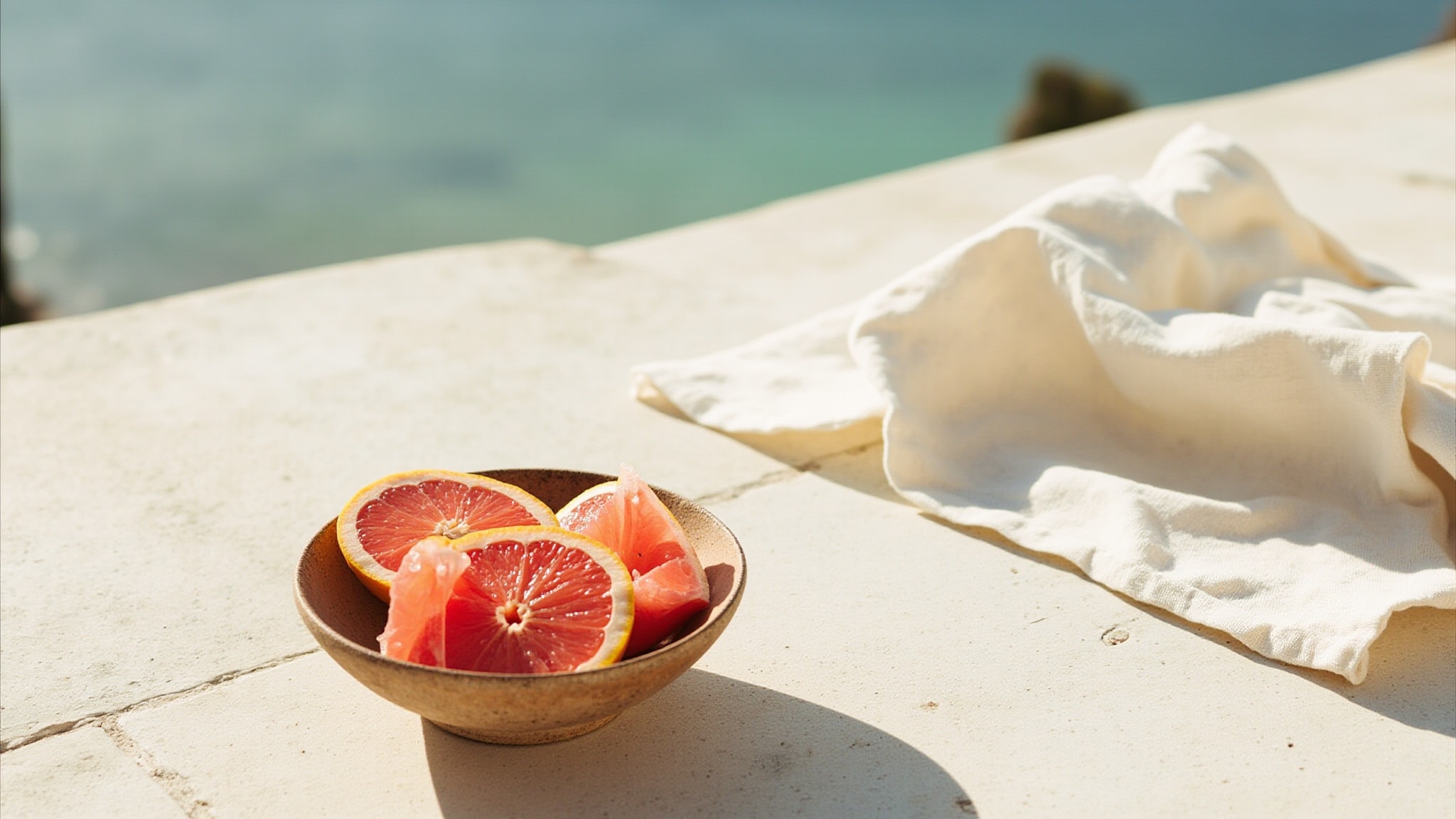
The opening hits with the full force of bergamot, grapefruit, lemon, and neroli arriving in close succession, and for a brief window the whole thing reads as a bright, almost overwhelming burst of citrus. The neroli contributes most of the character here, with its bitter-floral snap giving the opening a slightly sharp, sophisticated edge rather than letting it slide into simple lemon-freshness. The aquatic notes cool everything down, pulling the temperature back and smoothing the sharper angles of the citrus into something that feels more cohesive. As the initial brightness starts to fade, the tarragon comes forward, bringing that faint anise-vegetal thread that sets the composition apart. It bridges the opening into the cedar and olive blossom heart, which is where the scent settles into its comfortable middle, greener and more grounded than where it began.
Cultural impact
Code Summer pour Homme has become a quiet reference point for collectors who followed the green-aquatic wave of the late 2000s. It landed in 2009, a moment when the market was still absorbing the marine and aquatic trends that had peaked earlier in the decade, and it offered something that felt closer to a traditional aromatic composition than to the synthetic marine style that had come to dominate the category. Its discontinued status has given it a particular gravity among enthusiasts, who tend to appreciate the tarragon-driven complexity and the clean execution that sets it apart from the more commercial summer releases of the era.