The Story
Why it exists.
The beginning
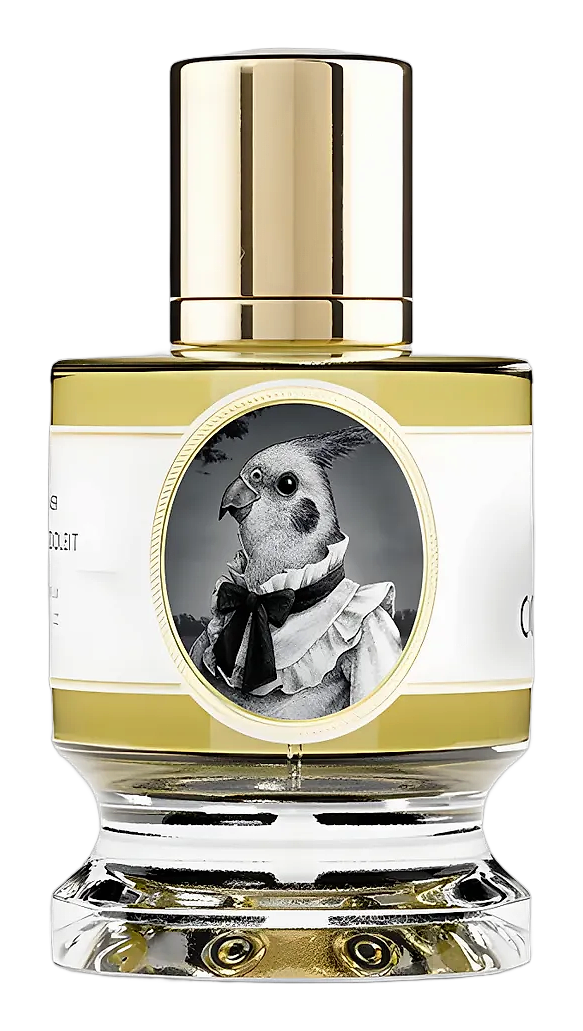
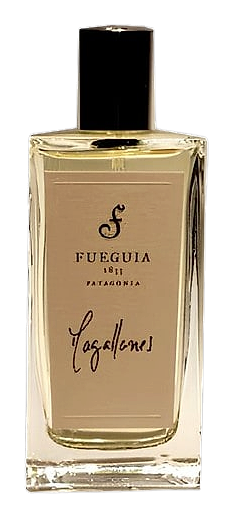
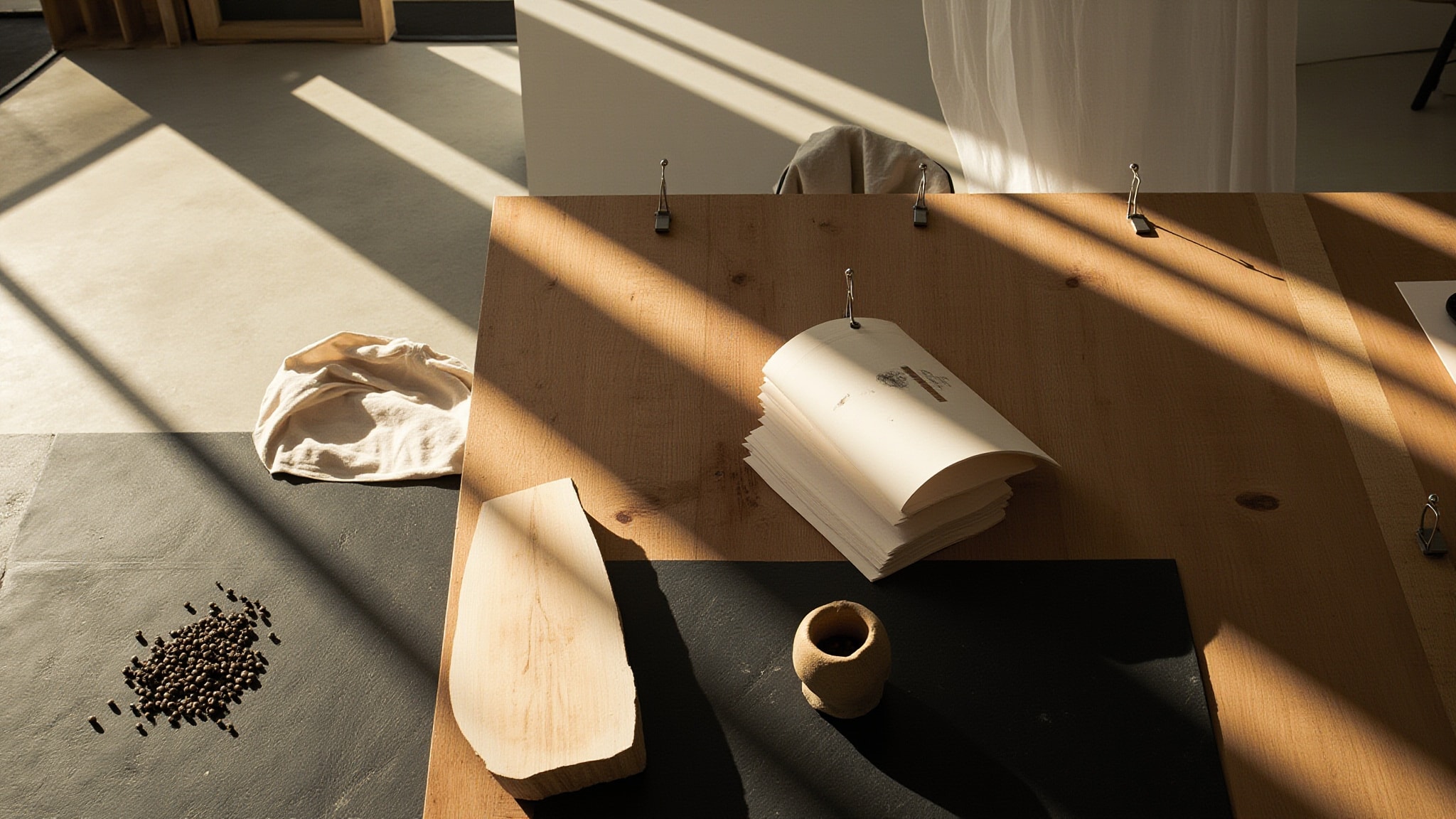
Magallanes belongs to Fueguia 1833's Personajes collection, and it takes its name from Fernando de Magallanes, drawn directly from the explorer's recorded search for unknown spices. Julian Bedel composed the fragrance to hold that premise at its core, treating the hunt for unfamiliar flavor as the emotional and sensory center of the composition. The result is a scent built on a tight three-note structure of cedar, anise, and black pepper, each chosen to reflect the textures of that expedition: aromatic woods carried aboard, pungent seeds traded at ports, pepper heat sharpened by months at sea.
What makes Magallanes structurally unusual is its discipline. Three notes: cedar, anise, black pepper. Nothing cushions the landing, nothing smooths the edges. Bedel treats each material as a protagonist and lets them argue it out. The anise carries a bright, almost brittle sweetness that edges toward confection if left unchecked. The black pepper arrives quieter but refuses to fade, anchoring the composition with a dry mineral warmth. And the cedar provides the architecture that keeps the whole thing upright, binding those two volatile forces into a single vertical line.
The evolution
Magallanes opens with a sharp, almost medicinal lift of anise, bright and slightly sweet, like fennel seeds crushed between cold fingers. Within minutes the cedar rises from beneath, dry and architectural, cutting through the anise and pinning it to a vertical line. Black pepper then threads through the base, adding a quiet mineral heat that never turns sweet. Over the hours the composition dries down into a near-monolithic cedar-pepper field, austere and unhurried, the anise receding to a faint cool hum beneath the wood. The sillage stays close to skin rather than broadcasting, which suits the composition's intellectual register. By the late drydown what remains is a dry, resonant cedar with a persistent pepper flicker, the anise reduced to memory rather than presence. It behaves like a study rather than a statement, asking the wearer to pay attention rather than simply be noticed.
Cultural impact
Magallanes holds a particular place within Fueguia 1833's catalog. The Personajes collection it belongs to gives it a narrative weight that the brand's more purely botanical compositions do not carry, and the three-note cedar-anise-pepper structure has made it one of the more recognizable releases in the line. It appeals to wearers who read a sparse pyramid and value the discipline behind it, who prefer structure over abundance. Production appears to have been discontinued, which has given it the quiet gravity of a reference piece within the house's catalog, sought out by collectors tracking down discontinued editions.
The House
Fueguia 1833Fueguia 1833 is an Argentine fragrance house that creates limited‑edition scents rooted in the botanical heritage of Patagonia. Each perfume draws on medicinal plants harvested from the region’s wild landscapes, and the brand presents its creations as vintage‑style bottles that evoke a sense of travel and memory. The house operates a vertically integrated supply chain, growing, extracting and bottling its own raw materials, which allows it to maintain tight control over quality and environmental impact. Its collections, such as Rosa de los Vientos (2018) and Oud Jungle (2022), have attracted collectors who value authenticity and a narrative that links scent to place.
The Creator
Julian BedelJulian favors a palette that mixes rare South American botanicals with classic European absolutes. He often extracts essential oils from medicinal herbs such as catuaba, calafate and patagonian tea, then anchors them with ambergris, cedar and fine musks.