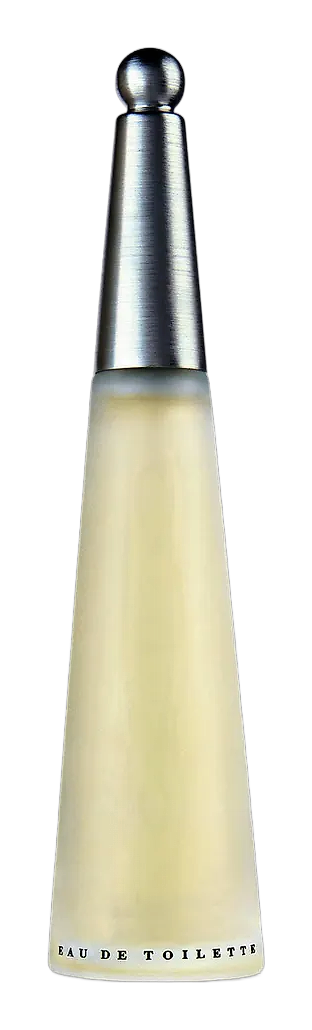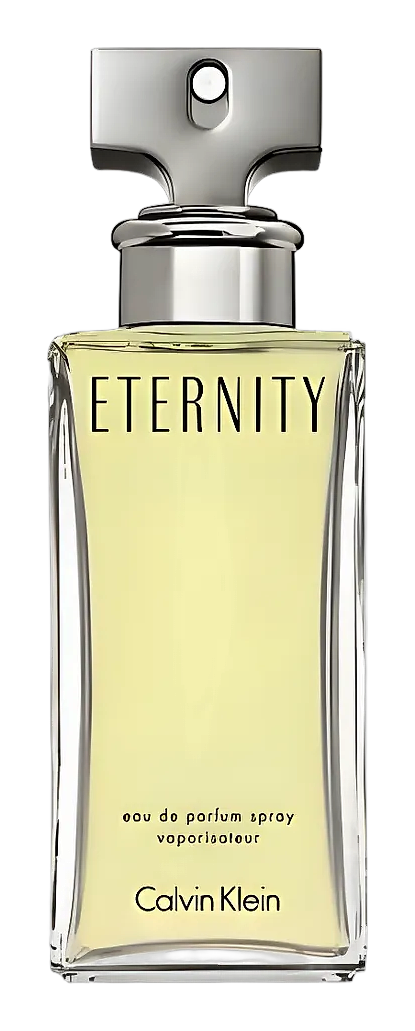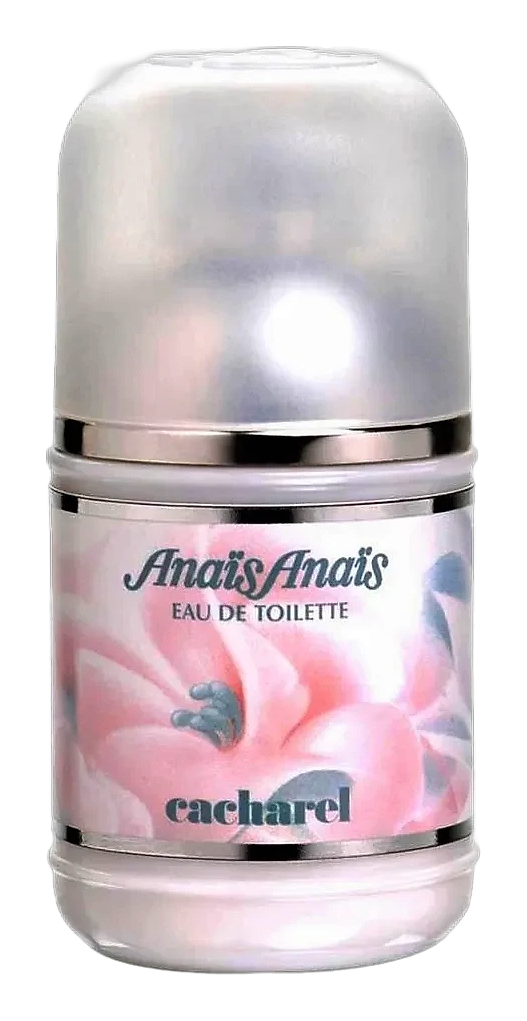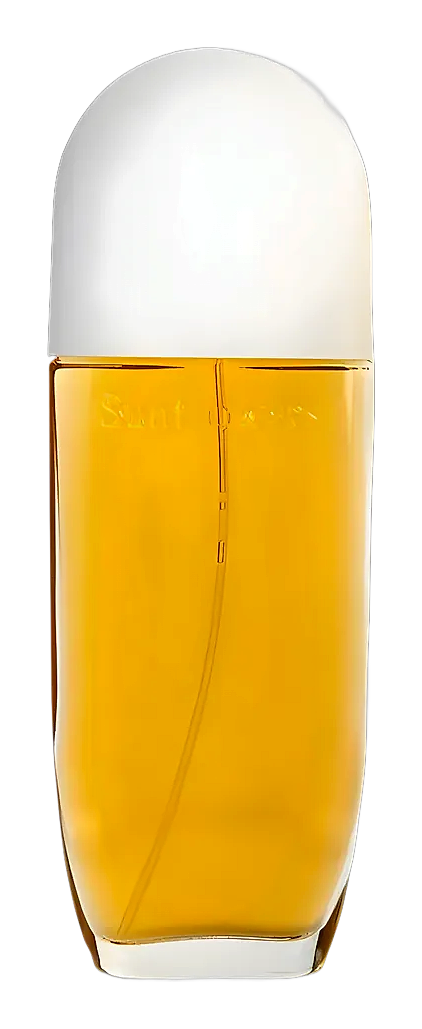
The Story
Why it exists.
The beginning
Xi Aeris arrived in 1993, a chypre-structured floral that took a particular kind of risk with its composition. The fragrance is anchored in patchouli and sandalwood, wearing white flowers on top, and that inversion is what gives it its particular tension. Most florals of the period built their structure around the blossoms themselves. Xi Aeris treats the white florals as a luminous surface and lets the woody, earthy base do the actual architectural work. The gardenia, orange blossom, ylang-ylang, and jasmine read almost weightless because they're propped up by something denser underneath. The result is a scent that moves between registers, bright at the surface and grounded at the floor, without either element overwhelming the other.
What's interesting here is the architecture underneath the florals. The opening reads clean and almost aquatic, gardenia and orange blossom catching something cool and breezy in the first minutes. But the base pulls in the opposite register: sandalwood, patchouli, cedar, dry and resinous and quietly insistent. That contrast, luminous florals over a structured woody spine, is what gives the fragrance its staying power and its quiet complexity. The patchouli runs through everything like a current, present from the heart onward, deepening as the white flowers soften.
The evolution
The first thirty minutes are all gardenia and orange blossom, bright and almost tropical, with something cool underneath that keeps it from tipping into sweetness. The aquatic accord adds a sort of humid breeze quality, like the air after a summer garden gets watered. Then the ylang-ylang and jasmine show up, warmer, slightly buttery, and the fruit notes start to surface, giving the heart a fleshy, rounded quality that pulls away from the initial brightness. There's a custardy softness in the middle phase, almost edible, before the woods take over. Around the two-hour mark, the base starts to pull the whole thing downward. Sandalwood arrives first, creamy and soft, then patchouli grounds everything with that earthy, slightly bitter edge. The cedar adds a dry, pencil-shaving quality that keeps the vanilla from going cloying.
Cultural impact
Xi Aeris occupies a particular place in the early-nineties fragrance catalog, a chypre-structured floral that wore its composition quietly rather than loudly. Its balance of white florals over a patchouli and sandalwood base gave it a distinct character that set it apart from both the sheer florals and the heavier orientals of its era. The fragrance built a following among wearers who appreciated its restraint, and it remains a reference point for anyone drawn to chypre constructions done with a lighter hand. Its composition reads almost architectural: bright on top, structured underneath, with nothing forced or overly sweetened.