
The Story
Why it exists.
The beginning
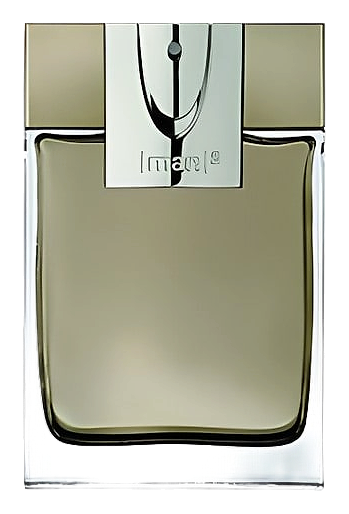
Pierre Wargnye and Rosendo Mateu designed Aigner |man|2 in 2007 as a study in restraint. The composition builds around a tension that few men's fragrances attempt: the sharp green of clary sage and Sicilian lemon in the opening, held against a warm amber-tobacco drydown that develops as the fragrance settles. It's a fragrance that takes its time, that withholds the richer notes deliberately while the citrus and herbal elements hold the foreground. The perfumers worked with an understanding of the Aigner aesthetic, a house associated with refined accessories and understated confidence rather than flashy statements. This fragrance fits that profile. It doesn't need to announce itself.
What makes the structure unusual is the anise. It's not a common move in masculine compositions, anise carries a licorice sweetness that can tip into soap or candy if mishandled. Here, it appears in the heart section alongside cinnamon and tarragon, which means it arrives after the citrus has settled and before the tobacco fully establishes itself. That positioning gives it a bridging quality: it connects the fresh opening to the warm base without announcing itself.
The evolution
The opening hits clean, Sicilian lemon and clary sage arrive together, with the lemon carrying the weight for the opening phase. It's sharp without being aggressive, green without being metallic. The handoff comes as the citrus fades, anise and tarragon enter the picture, the licorice sweetness of the anise meeting the herbal warmth of tarragon in a way that creates a pleasant middle ground. The cinnamon shows up in the heart, threading through as the citrus recedes. By the time the base notes have taken over, tobacco and vanilla are the dominant players, with amber and cashmere wood softening the edges. The drydown is where this fragrance lives, the tobacco-vanilla combination becoming quieter and more intimate than the opening suggested. Cedar and patchouli linger underneath, giving it a woody persistence that stays close to the skin rather than projecting outward.
Cultural impact
Aigner |man|2 arrived in 2007. The tobacco-vanilla and anise combination set it apart from contemporary releases that favored lighter, fresher profiles. It offered something with more character, a fragrance that leaned into complexity rather than broadest possible appeal. The composition represented a commitment to traditional masculine aromatics done with a particular sensibility, combining sweet, herbal, and smoky elements in a way that felt cohesive rather than scattered. The fragrance attracted attention from enthusiasts who appreciated its understated nature, finding its audience among those who valued depth over immediate impact.