
The Story
Why it exists.
The beginning
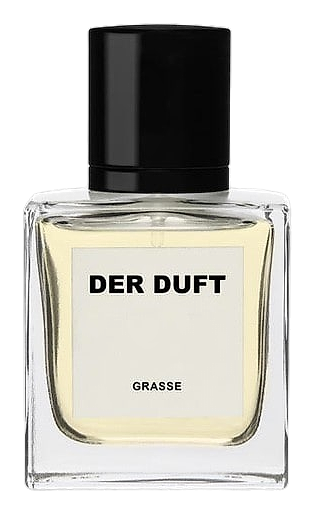
Grasse is named for the Provençal town that became the beating heart of French perfumery, where, over centuries, growers and noses and alchemists figured out how to capture scent in liquid form. For Anselm Skogstad, who trained at the Grasse Institute of Perfumery itself, the name is a declaration of intent. This is what he learned there. This is what he wanted to make.
The aldehydes are not decorative here, they're structural. In most modern florals, they'd be a flourish. In Grasse, they hold the whole thing up. The rose that follows isn't soft or romantic. It's formal. Architectural. The kind of rose that exists in compositions older than most fragrance lovers. The lavender and fig underneath keep it from becoming precious, a green, almost herbal counterweight to the powdery iris and warm vanilla base. Skogstad isn't reinventing the wheel. He's reminding you the wheel existed.
The evolution
The opening arrives sharp and crystalline, aldehydes sparkling against bergamot's citrus brightness. There's an immediate coolness, like stepping into a stone-floored room on a warm day. This phase is brief. Deliberate. The hand-off to the heart is swift and sure. The florals take over. Rose, magnolia, jasmine, lush without being heavy, sweet without surrendering composure. The aldehydes don't disappear. They persist, a metallic thread running through the heart, keeping the sweetness honest. This is the longest phase. The one you'll recognize an hour in. The drydown softens into powder, iris, vanilla, a touch of patchouli. The aldehydes are still there, quieter now, almost skin-like. This is where it lingers. Intimate. Warm. The kind of drydown you catch on your wrist the next morning and wonder how it got there.
Cultural impact
Grasse occupies a specific space in contemporary perfumery: classical structure without classical nostalgia. The aldehydic rose is a reference point, not to No. 5 specifically, but to the entire tradition of formal, composed florals that niche perfumery has largely abandoned. Wearers who seek that architecture tend to find it here, executed with restraint. It's the kind of fragrance that rewards attention rather than announcing itself, appreciated by those who've moved past 'interesting' and want something with actual structure.