
The Story
Why it exists.
The beginning
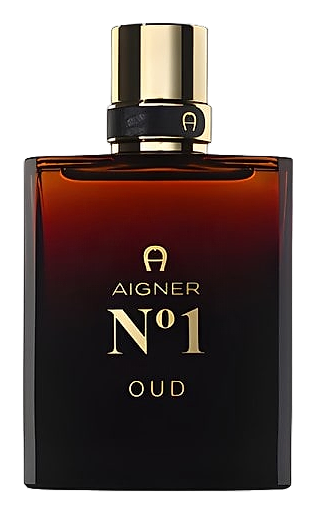
Aigner N°1 Oud arrived in 2014 as the fifth interpretation of the house's signature N°1 collection, first introduced in 1975. The brief was clear: honor the brand's heritage restraint while reaching into something richer and more opulent. The N°1 line had established Aigner's voice in citrus and fresh spice, but this edition pushed further, drawing inspiration from Middle Eastern oud traditions and translating them through a European lens. The goal was not dominance. It was depth without noise.
What makes this structure interesting is the conversation between the spice heart and the leather base. Most oud fragrances announce themselves immediately. Here, the coriander, cinnamon, and nutmeg open bright and warm, creating a bridge between the spice market and the more familiar Western fragrance wardrobe. The florals in the heart do not soften the composition so much as they complicate it, adding a powdery violet-rose lift that makes the leather and oud base feel less heavy than it might otherwise. Cashmeran is doing quiet work in the foundation, adding a musky warmth that rounds the edges and keeps the oud from becoming sharp or medicinal.
The evolution
The opening announces itself in warm spice: coriander, cinnamon, and nutmeg arriving together like a market at dusk. The first thirty minutes feel almost edible, sweet and sharp at once. By the second hour, the jasmine and rose have begun to lift through the violet and clove, softening the initial crispness into something more rounded. The florals do not dominate. They complicate. Then the base takes over. Leather and cashmeran arrive first, with the oud revealing itself slowly, almost reluctantly, beneath the surface. The saffron stays present throughout, a quiet metallic thread that keeps the drydown from feeling too familiar. By the final hours, this is a skin scent. Close. The kind of fragrance someone standing beside you might notice, not a room you walked into.
Cultural impact
Aigner N°1 Oud occupies a quiet corner of the oud market, appealing to wearers who want depth without dominance. The brand's restrained approach to marketing has kept it away from the loudest conversations, but those who find it tend to stay. Its Munich heritage adds European credibility to a fragrance category often dominated by Middle Eastern houses.