The Story
Why it exists.
The beginning
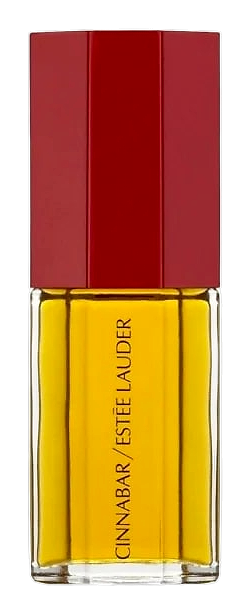
Cinnabar arrived in 1978, the work of Bernard Chant. The composition leans into a spice-oriental structure that rewards close attention. Oranges brightened the spice from the very first spritz, lifting the heavier notes before they had a chance to settle into anything murky. Peach rounded the edges, wrapping around the clove and cinnamon like a soft landing. The drydown went deep without going baroque, settling into a warm resinous hush that stayed close to the skin. There's a confidence in how the fragrance wears, a sense that every element earned its place. The spice never shouts. The fruit never cloys. And the base holds its shape hour after hour, which is the real trick of a composition this ambitious.
What makes Cinnabar structurally interesting is the aldehyde bridge. The aldehydes create a glittering top layer that makes the spices land on bright fabric rather than dark velvet. That's the move that separates Cinnabar from heavier spice compositions. It prevents the clove from dominating the opening, keeping the whole thing buoyant for those first crucial minutes. The florals are present but never solo. Rose, ylang-ylang, jasmine, and iris together form a soft cushion, not a bouquet. They sit beneath the spices, adding texture without announcing themselves.
The evolution
The first hour is the loudest. Aldehydes arrive first, almost effervescent, then the orange and bergamot buoy the spices up. Clove and cinnamon hit their stride within minutes, the peach softening the edges so the opening never feels like a kitchen. Peach is the surprise here. It reads almost like a fruit syrup at first, then disappears into the florals around the 30-minute mark. As the heart settles, the jasmine and ylang-ylang push forward, but they share the stage with clove and cinnamon. This is where Cinnabar earns its reputation. The florals never take over. The spices stay in the conversation. The transition into the base is gradual but complete. Frankincense and benzoin arrive first, followed by tolu balsam's almost liquid warmth. Vanilla and patchouli ground everything. The drydown is the part that lasts.
Cultural impact
Cinnabar occupies a particular place in late-1970s fragrance history, arriving as part of a wave of spice-driven compositions that took themselves seriously. It became a staple for women who wanted something warm and substantial, a fragrance with enough presence to carry through a full day without requiring constant reapplication. Some pull it out for fall and winter. Others wear it year-round, finding that the peach and aldehyde lift keep it from ever feeling too heavy for warmer weather. The discontinued status has only increased its cult following.