The Story
Why it exists.
The beginning
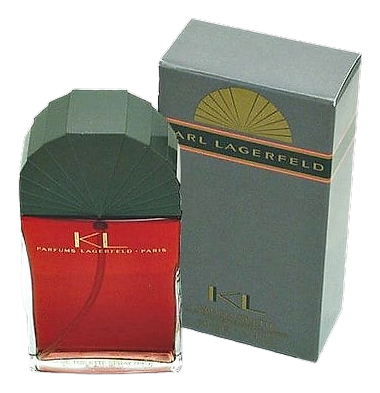
KL arrived in 1983, the same year Lagerfeld took the helm at Chanel. That timing isn't coincidence, the house was making a statement with this one. A bold, unapologetic oriental spicy. The kind of fragrance that arrives and refuses to be background noise. The brief was clear: no softening, no nostalgia. Lagerfeld wanted something that matched his aesthetic of stark contrast and clean edges. The bottle tells you everything, geometric, black-and-white, his signature across the front. What you spray on is the olfactory equivalent of that visual: precise, warm, and impossible to ignore. The house had been building toward this. Formed in 1978 under Interparfums, the label had released its first scent in 1975, but KL was different. This was the fragrance meant to define the house's voice, warm spice, animalic depth, and a structural boldness that set the tone for everything that followed.
The note structure here is a study in contrast management. Seven base notes. Six heart notes. Three top notes. Most houses would call this crowded. The house calls it confident. The civet and styrax aren't accidents, they're load-bearing. They give the sweetness somewhere to live that doesn't tip into confection. The spices function as architecture rather than decoration: they hold the florals up, give them structure, prevent the jasmine and rose from turning soft. Ylang-ylang is the secret anchor, sweet, tropical, slightly heady, it bridges the gap between the bright citrus opening and the warm animalic base.
The evolution
The opening is a single bright move. Citrus and spice arriving together, sharp and immediate. Bergamot and orange cutting through, a quick flash of spice that doesn't build, it arrives. No hesitation. You have about thirty minutes before it shifts. Then the florals take over. Slowly. Clove and cinnamon set the stage, dense and warm, and jasmine comes in underneath, not announcing itself but slowly filling the space. Rose follows. Ylang-ylang. Orchid. The effect is powdery, almost overwhelming in its warmth, a dense floral cloud that builds for the next two to three hours. It's the kind of heart that feels like atmosphere. The base arrives quietly. Amber, vanilla, patchouli, warm and soft, benzoin adding resin. But it's the civet that changes everything. That animalic note grounds the florals, stops them from floating away into sweetness, gives the whole composition weight. Vanilla stays closest to the skin. Civet lingers longest, close, intimate, the kind of note you smell when someone walks past. On fabric the next morning: a warm, slightly animalic ghost.
Cultural impact
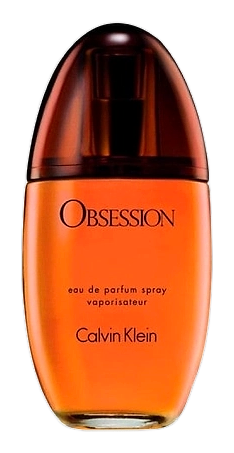
KL belongs to a specific moment in fragrance history, the 1980s oriental. Bold, warm, unapologetically sweet, with animalic depth that modern perfumery has largely moved away from. It's a time capsule and a statement. Wearers who gravitate to this are usually collectors or vintage enthusiasts who want something with real character, not another clean woody or transparent floral. It shares DNA with the big orientals of that era: Coco, Giorgio Beverly Hills, Obsession. But KL distinguishes itself with a sharper citrus opening and a more pronounced animalic drydown. It's for the wearer who wants warmth with teeth.