The Story
Why it exists.
The beginning
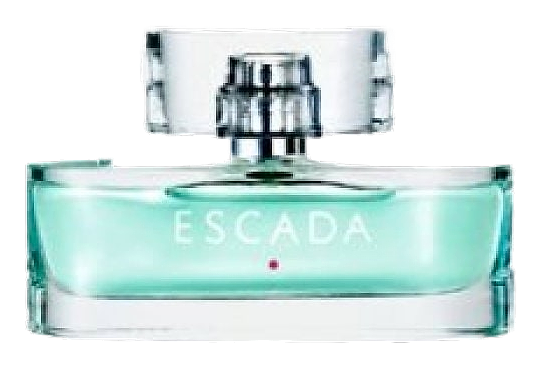
Tender Light arrived in 1999, a composition by Bertrand Duchaufour for Escada. The name says everything: it isn't about brightness in the aggressive sense. It's the light that makes a garden look better than it actually is, forgiving, flattering, warm without effort. Escada built its identity on colour and kinetic energy, but Tender Light offered a different register, still vivid, still unmistakably the house, but dialled into something gentler. It was a counterpoint within their own vocabulary.
What makes this structure interesting is the tension between the opening and the finish. The top is all sparkle and fruit, orange blossom, peach, lemon, the kind of entrance that reads as effortless. But Duchaufour buried something richer underneath. Tuberose at the heart is not a shrinking violet. It brings a creamy, almost sculptural presence that demands attention. Ylang-ylang amplifies that warmth, and the base, sandalwood, amber, cedar, doesn't fight the florals. It cradles them. Oakmoss threads through as a green counterweight, keeping the sweetness from tipping over into something cloying.
The evolution
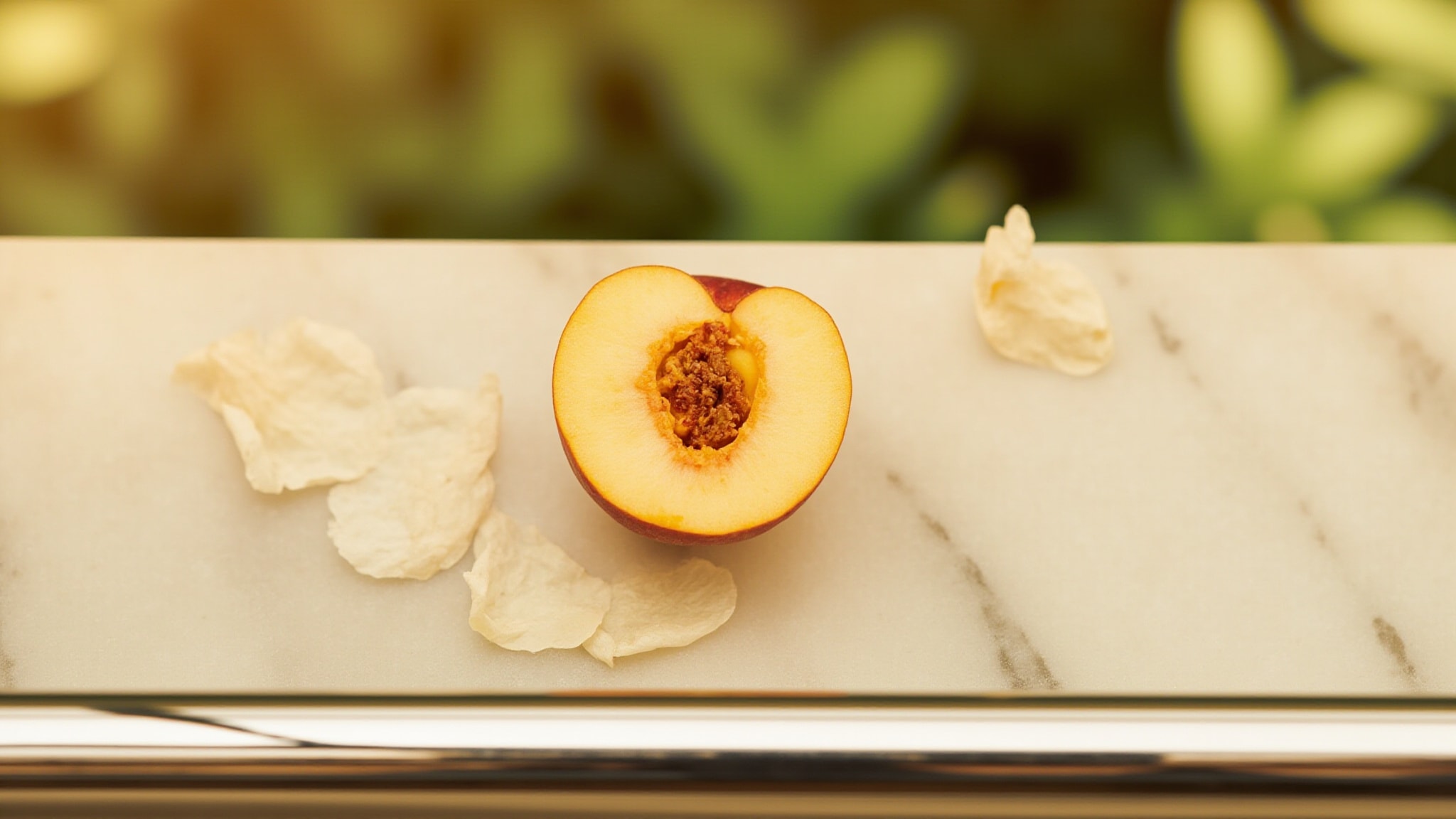
The first thirty minutes are citrus-forward and pretty. Orange blossom hits first, clean and sweet, followed quickly by peach and a sharp spark of bergamot. Lemon keeps it bright. Then the florals take over, tuberose arrives with presence, not politely. Hyacinth and ylang-ylang layer in, and for a stretch of a few hours the sillage is solid, the white floral declaration unmistakable. Oakmoss is present in the drydown, a green hum that keeps everything grounded as the sweetness deepens. Sandalwood and amber arrive late, softening the whole composition into something that stays close to the skin for the final act. Eight to ten hours of wear on most skin types, moderate sillage, it announces itself early, then settles into something private.
Cultural impact
Tender Light sits comfortably within Escada's tradition of bright, confident compositions made for daily wear. Released in 1999, it arrived at the tail end of a decade when white florals, particularly tuberose, were having a cultural moment, celebrated for their assertiveness and warmth. What set Tender Light apart was its restraint at the base: the sandalwood and oakmoss kept it from reading as purely decorative. Wearers described it as the kind of fragrance that feels like a choice rather than an impulse, something chosen deliberately, worn confidently, reapplied without apology.