The Story
Why it exists.
The beginning
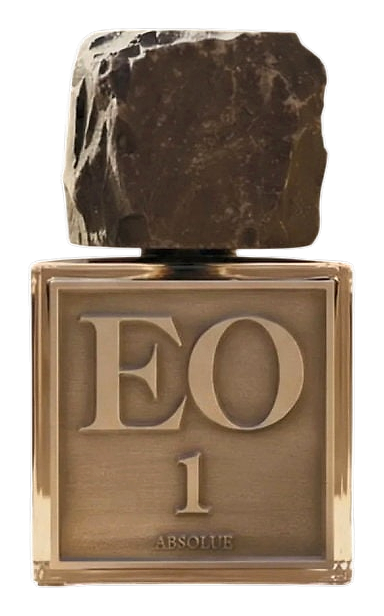
Oud Khidr is part of the EO Monuments collection from Ensar Oud, released in 2026 as a limited release. The Khidr name carries weight in Sufi tradition, a figure who appears across Islamic texts as the silent companion, the one who teaches without revealing his name, associated with hidden knowledge and the color green. There's something fitting about that lineage for a fragrance built on materials most perfumers would never combine at this density: animalics, aged rose ottos, and two distinct oud traditions sitting on the same shelf. On skin, the opening is dense and immediate, a resinous blast of Cambodian-style oud cut with the darker, almost medicinal smoke of a Hindi distillation, all wrapped in a layer of castoreum that reads more leather than fur.
What's unusual here is the decision to stack civet alongside castoreum and ambergris, three animalic materials in one composition, which most modern houses treat as either redundant or risky. Ensar Oud treats them as harmonic. The two rose ottos (Afghan and Persian) provide a floral spine that the animalics orbit, while the Indian oud and Omani frankincense in the base create a resinous gravity that pulls everything downward over time. Tolu balsam does the bridging work, sweet enough to soften the edges of the civet, warm enough to thicken the leather and tobacco without flattening them. It's a composition that bets on patience rather than first-impression charm.
The evolution
The first twenty minutes are not polite. Castoreum and ambergris arrive with the texture of something animal and warm, then nutmeg cuts in with a clean bite. Lavender shows up too, but as a structural note, not a fresh one. It darkens the animalics instead of lifting them. Rosewood rounds the opening into something almost drinkable. By the forty-minute mark the civet has fully taken its seat. The two rose ottos emerge not as a romantic floral but as something denser, almost fermented, feeding into tolu balsam's sweetness. Jasmine sits underneath, doing more work than it advertises. This is the heart phase, and it lasts roughly four hours. Then the base assembles itself. The Indian oud deepens into leather territory, and the leather note here is the real one, not a suggestion. Oakmoss gives it ground. Tobacco arrives late but confidently, backed by vanilla that has no interest in being dessert. The frankincense ties back to the opening's ambergris, closing the loop.
Cultural impact
Oud Khidr treats animalic materials as primary structural elements rather than whispered accents, a choice that places it firmly outside the clean-oud mainstream that dominates Western niche retail. The composition stacks civet, castoreum, aged rose ottos, and two distinct oud traditions into a single dense accord, and it doesn't soften the edges to make the result more approachable. On the opening, the castoreum reads as cured leather and salted fur, the civet adds a warm, almost musky sweetness, and the ouds provide a resinous, smoky foundation that feels closer to temple incense than commercial perfumery.