The Story
Why it exists.
The beginning
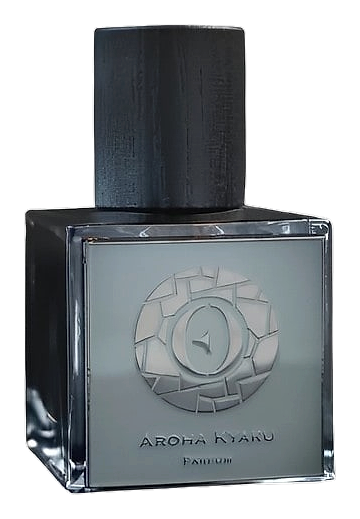
Aroha Kyaku draws on a palette shaped by smoke and stillness, the kind of air that settles after a stick of nag champa has smoldered down to ash. Bundles of dried roots, resinous woods, and curling threads of champa have been part of devotional practice for centuries, and the composition keeps that smoky vocabulary close to its chest. The two-word title sits at the front of the bottle like an unspoken greeting, drawing on a hybrid lexicon where Western perfumery meets the patient, ritualistic traditions of the East. The oud at its base is a quiet character, allowing the surrounding resins and incenses to carry the conversation.
The composition weaves cypriol, pink pepper, and clove into a layered architecture where each material contributes its own brand of warmth and shadow. Cypriol brings an earthy, root-driven depth that reads almost like damp soil and dried tobacco, while pink pepper cuts through with a dry, papery heat. Clove folds into the picture last, lending a sweet-spiced edge that roughens the smoke rather than softening it. The three notes interact like musicians trading phrases, each stepping forward, then receding so another can speak.
The evolution
Cypriol and clove move through the composition like shifting weather, with the pink pepper acting as the sharp gust that announces each new phase. The opening registers as cool and slightly shivery, the kind of chill you feel when you walk past a window where incense is smoldering just out of sight. Pink pepper buzzes at the edges with a dry, almost crackling brightness, while cypriol anchors everything from below with a root-heavy, papyrus-like undertone. As the minutes pass, the coolness warms into a thick, balsamic resin, and the clove sweetens just enough to take the bitter edge off the smoke. The composition never collapses into sweetness or sits still for long. Instead, it migrates from cold ash to smoldering coal to a faint trace of warm spice that clings close to the skin.
Cultural impact
Incense-led compositions occupy a particular corner of contemporary perfumery, where smoke, ash, and resin are treated as the primary language and everything else serves as punctuation. Aroha Kyaku sits firmly in that camp, built around the patient, smoldering vocabulary that collectors of dry oud and temple-style incense tend to gravitate toward. The fragrant materials at work here, including nag champa, oud, and various forms of incense resin, all share a centuries-long history of being burned as part of rituals meant to mark transitions, honor guests, or simply purify the air of a room.