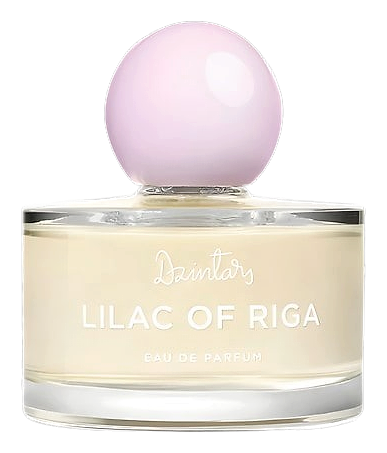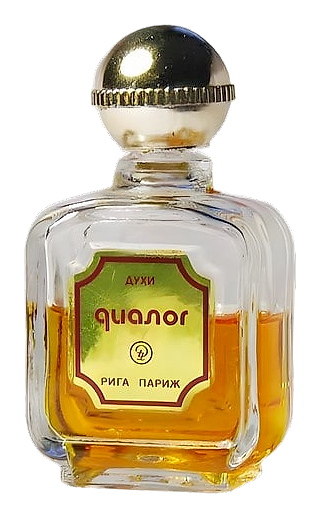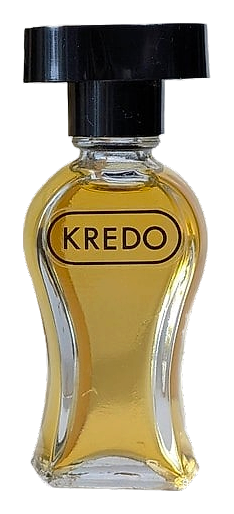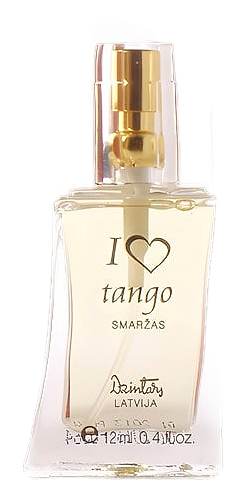
The Story
Why it exists.
The beginning
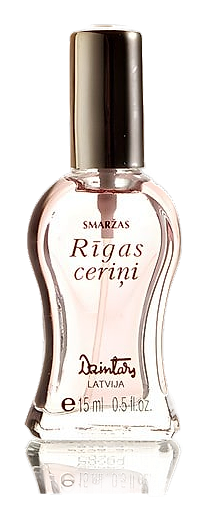
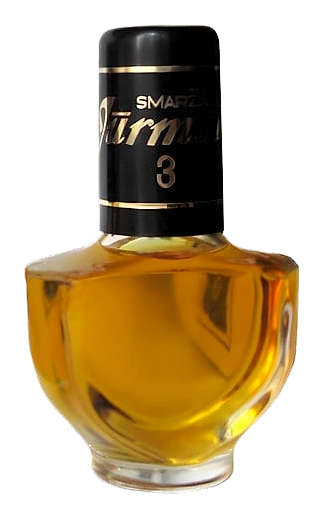
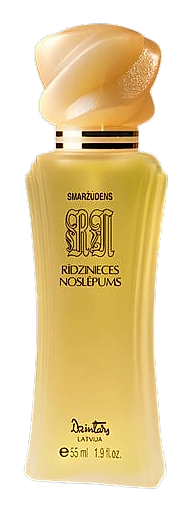
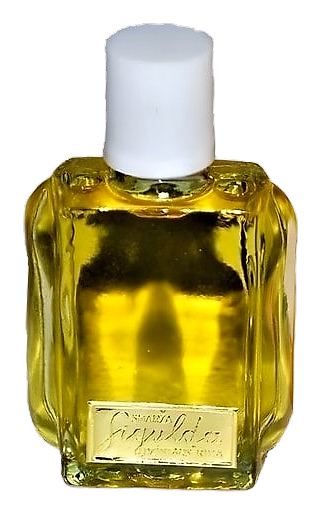
Sigulda was composed in 1958 by perfumers Bronislava Schwarzman, Milda Gulbe, and Aina Pashko for the Dzintars house in Riga. The name belongs to a Latvian town, and the fragrance channels that Baltic landscape into a floral-green composition. There is a directness to the naming, a sense that the perfumers wanted the bottle to point clearly at its inspiration rather than obscure it. The result is a confident green floral that wears its regional character openly, offering something rooted and specific rather than derivative of the larger European houses that dominated the era.
What makes Sigulda interesting is its restraint. The heart layers peony and jasmine against linden, a flower that carries its own green-honey character and doesn't need much support. That triple-floral core avoids the syrupy trap by anchoring early with green notes and grounding late with vetiver. The woods stay in the shadows, doing structural work without announcing themselves. A floral-green built on tension, not sweetness.
The evolution
Sigulda emerged in 1958 from the Dzintars factory in Riga, a Latvian state perfumery producing compositions across the Soviet bloc. The brief was green-floral for women, and the team of Bronislava Schwarzman, Milda Gulbe, and Aina Pashko answered it with a linden-and-peony heart built over a quiet woody-vetiver base. The result was restrained by international standards of its decade, leaning on dewy leaves and honeyed blossom rather than the bolder aldehydes then dominating French houses. Within the Dzintars catalogue it sat alongside Meža Vējš and other Baltic-green entries, and it became a quietly distinctive marker of Riga's perfumery tradition.
Cultural impact
Sigulda belongs to a generation of Soviet-era floral-green fragrances that quietly shaped fragrance memory across Eastern Europe. For collectors and wearers who grew up in or near the USSR, vintage Dzintars compositions carry a specific nostalgic weight. It sits alongside other green florals of the late 1950s and early 1960s as a regional counterpart to French and Western green compositions of the same period, though it predates the louder, more marketed green fragrances that would follow.
The House
DzintarsDzintars is a Latvian perfume house that has been creating fragrances for nearly a century. Founded in Riga in the early 1920s, the brand survived the upheavals of World War II, Soviet nationalisation and the re‑establishment of Latvia’s independence. Its catalogue includes more than two hundred scents, ranging from classic fougère blends to aromatic compositions that echo the Baltic landscape. Dzintars remains a familiar name in Eastern Europe, where many of its vintage releases are still recognised by collectors.
The Creator
Bronislava Schwarzman & Milda Gulbe & Aina PashkoHer signature technique involves layering aldehydic brightness over structured florals, creating an effect that feels both vintage and surprisingly modern. Schwarzman favored ingredients with clear, assertive characters: pine needles, lilac, violet, and lily-of-the-valley appe…