The Story
Why it exists.
The beginning
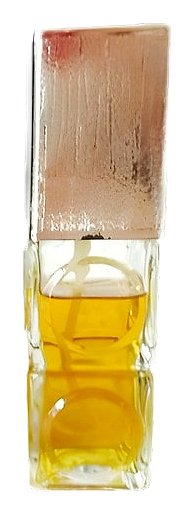
Allegro arrived in 1980, created by Antonina Vitkovskaya, Victoria Ryabko, and Liesma Oše (Prūse) at the Dzintars house in Riga. The name means 'lively' in Italian, a musical term signaling energy, movement, optimism. At the time, Dzintars was one of the few perfume houses operating across the Soviet Union, formulating fragrances for a population that had limited access to Western luxury goods. Within that context, Allegro was an act of ambition: a floral-fruity composition that didn't apologize for being pretty, for being bright, for wanting to be worn and enjoyed.
What makes Allegro interesting is its structural honesty. The top, orange, raspberry, lily of the valley, arrives clean and immediately likable. The heart leans into white florals without restraint: jasmine, tuberose, heliotrope. That heliotrope is the tell. It adds a powdery, almost abstract quality that lifts the composition above standard sweetness. Iris brings a slight waxy floral nuance, a texture that reads as vintage. The base anchors everything in amber, sandalwood, and musk, a warm, skin-close finish that holds the florals close rather than throwing them outward. This isn't a fragrance that announces itself. It's one that lingers.
The evolution
The opening announces itself clearly: orange and raspberry, bright and tart, a morning-light quality that feels immediate. Within twenty minutes the raspberry recedes and the lily of the valley greens out the citrus, smoothing the transition. Then the white florals take over, jasmine and tuberose layering richness into warmth, while heliotrope and iris introduce that powdery, vintage character. This is the heart of Allegro: floral, round, confident. By hour two, the amber-sandalwood base begins to read, warm, slightly sweet, with sandalwood adding a creamy woody dimension that softens the florals rather than competing with them. Musk keeps everything close to the skin. The drydown is intimate: powdery florals still present, amber warmth settled in, sandalwood holding the composition together for hours after the initial brightness has faded.
Cultural impact
Allegro exists in a completely different register from Western commercial perfumery. It was built for a market that didn't chase trends, and that independence shows in the composition. The powdery florals and warm amber feel vintage without smelling dated. For collectors and wearers who know Eastern European perfumery, this is a reference point: a bright, floral, warm fragrance that has no interest in being expensive, just in being itself. That's increasingly rare.