
The Story
Why it exists.
The beginning
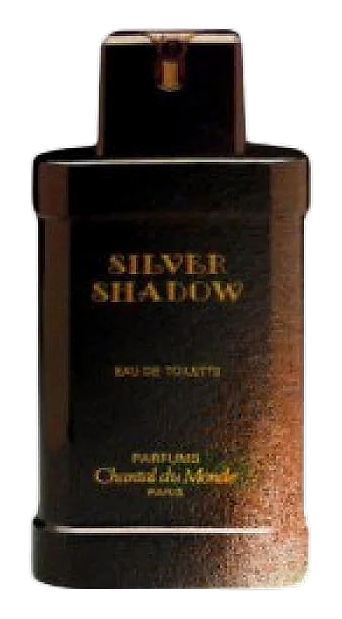
Silver Shadow arrived in 1984 from Chantal du Monde, a house with a limited catalog. The fragrance itself doesn't try to charm its way into your collection. It opens with bergamot, lemon, and coriander, threads through a herbal heart of basil, thyme, iris, and jasmine, then drops you into a base anchored by castoreum, leather, patchouli, labdanum, frankincense, and moss. That's a chypre structure, and not a polite one. The name suggests something metallic and modern, but the juice inside reads more like something pulled from a quieter era of European perfumery, dense and considered in a way that contemporary releases rarely attempt.
What makes Silver Shadow interesting is the density of its herbal and animalic base. Castoreum alongside labdanum and frankincense creates a heavy, resinous foundation, with leather and patchouli adding further depth and a mossy undertone that ties everything to its chypre classification. The heart layers basil and thyme alongside iris and jasmine, which gives it a sharp herbal character that holds its edge rather than dissolving into something conventionally clean.
The evolution
The opening is bright and almost disarming. Bergamot and lemon land first, coriander adding a peppery edge that sits just behind the citrus. Then mugwort moves in, and the whole opening darkens, as if someone dimmed the lights in the corridor. The shift happens quickly, the citrus giving way to something cooler and more vegetal, the green and slightly bitter character of the mugwort pulling the composition away from any simple freshness. As the fragrance develops, basil and thyme take over the conversation, and the composition reads cooler, greener, more architectural. The herbal heart has a sharp, almost savory quality, the kind of herbaceousness that feels more like crushed garden herbs than anything soft or rounded. Iris and jasmine surface next, but they don't soften the composition so much as complicate it.
Cultural impact
Silver Shadow occupies a peculiar corner of the vintage chypre conversation, distinctive enough to stand out even among fragrances from the same era. The 1984 release places it among the chypres of the early 1980s, a period when the style still carried significant weight in European perfumery. Discontinued production makes existing bottles a matter of patience rather than price, and availability remains limited. Wearers who find it tend to describe a fragrance that rewards patience, with the herbal heart and animalic base dividing opinion more than the relatively straightforward citrus opening.