The Story
Why it exists.
The beginning
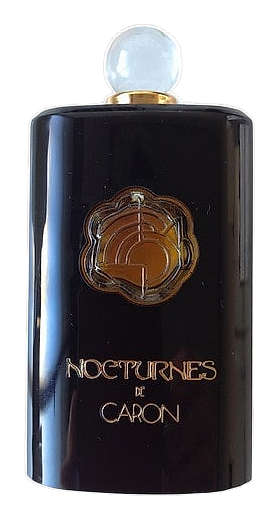
Gerard Lefort designed Nocturnes in 1981, at a moment when Caron needed a fragrance that could stand alongside the house's more confrontational creations without sacrificing any of the intensity the house is known for. The brief, if one can reconstruct it, was clear: an aldehyde composition that didn't retreat into pastiche, that used the classic aldehyde-floral structure as a starting point rather than a template. Lefort reached for jasmine absolute and tuberose, materials Caron has always treated as building blocks rather than embellishments, and anchored them with hyacinth's green bite. The result was a Nocturnes that felt both timeless and specific to its moment.
What makes the structure interesting is how the aldehydes behave across the wearing. In most aldehydic fragrances, the aldehydes announce themselves and then recede gracefully into the florals beneath them. Here, they don't fully disappear, they linger as a kind of luminous thread, holding the jasmine and lily of the valley in a slightly elevated register. The green notes (hyacinth, green accord) arrive in the heart not as a transition but as a counterweight: they keep the florals from becoming too precious.
The evolution
The opening is aldehydes first, that immediate, almost effervescent brightness that announces itself before you've finished pressing the pump. Mandarin orange and bergamot tag along, but the aldehydes are in charge. Twenty minutes in, the florals arrive: jasmine absolute takes the lead, with lily of the valley and rose appearing as quiet support rather than equals. There's a green undertow throughout this phase, hyacinth, or maybe just the green accord itself, that keeps the flowers from going completely sweet. By the third hour, the drydown is in full control. Vetiver and sandalwood form the structure; vanilla and benzoin soften it; musk keeps everything close to the skin. The sillage is moderate throughout, never filling a room but never disappearing entirely. On fabric, expect a quiet powdery warmth that lingers until the next morning.
Cultural impact
Nocturnes arrived in 1981, a moment when the aldehydic-floral tradition was already deeply established but beginning to feel like history rather than living practice. Caron, never a house content to rest on its laurels, gave Lefort the space to make something that honored that history without becoming a museum piece. The aldehydes in Nocturnes don't perform nostalgia, they perform confidence. Wearers who gravitate to this fragrance tend to value that particular balance: the structure of a classic composition with enough material richness to feel contemporary. It's the kind of fragrance that a certain kind of person reaches for without needing to explain why.